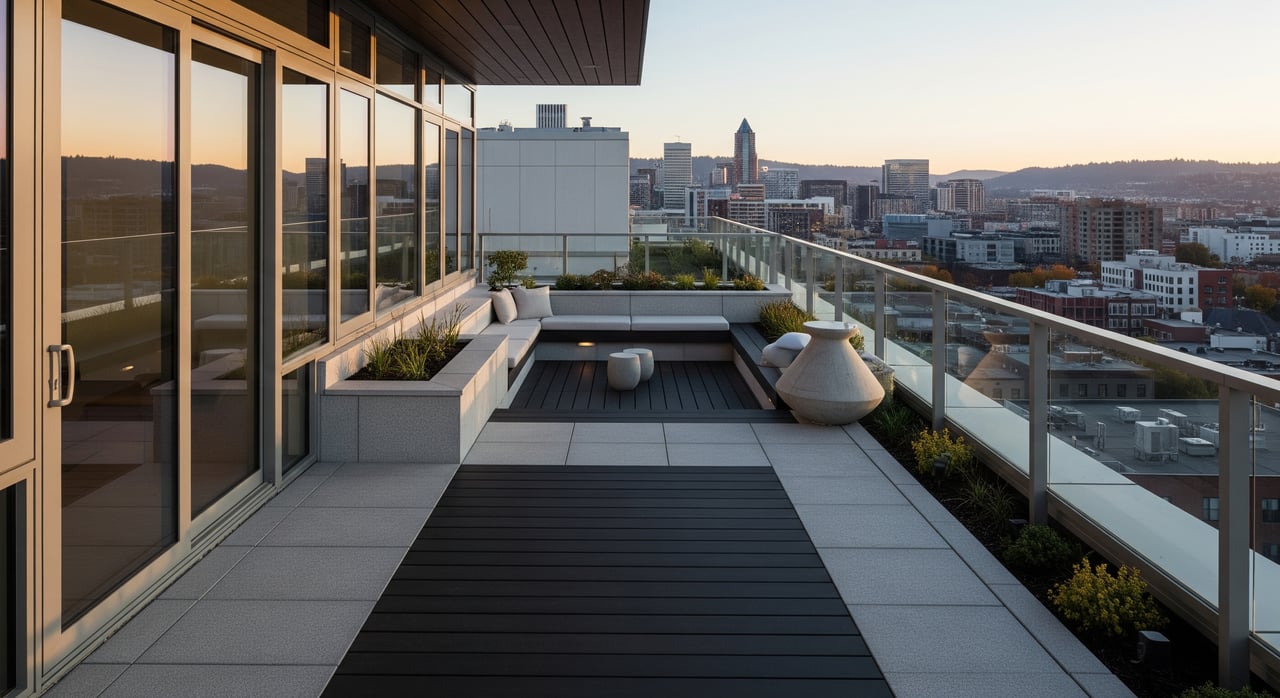
Warrantable Condos in Portland’s Pearl and Northwest
November 21, 2025
November 21, 2025
Buying a condo in Northwest Portland or the Pearl District? One detail can shape your whole purchase: whether the building is considered warrantable. If you are comparing units, lenders, and interest rates, this single factor can change the programs you qualify for and your total cost. In this guide, you will learn what warrantable means, what lenders review in Portland’s urban buildings, and how to check a specific condo before you write an offer. Let’s dive in.
A condo is considered warrantable when the building meets the project eligibility rules used by major mortgage investors and insurers like Fannie Mae, Freddie Mac, FHA, and VA. Lenders can sell or insure these loans more easily, which usually means more program options for you.
A non-warrantable condo fails one or more of those criteria. You can still buy in these buildings, but loan choices are limited and often more expensive.
Many low-down-payment options follow agency rules. If a building is non-warrantable, common programs may not be available. You might need a larger down payment to qualify with a portfolio or specialty loan.
Portfolio loans for non-warrantable buildings often carry higher interest rates and fees than comparable agency loans. That can change your monthly payment and long-term cost.
When a project is non-warrantable, the buyer pool can be smaller because fewer loans fit. That can affect resale price and days on market. It can also add time to underwriting while the lender reviews the project.
Lenders look at how many units are held by a single owner or group, and whether a developer still owns unsold units. Heavy concentration can make a project ineligible until ownership disperses. In the Pearl, boutique loft conversions sometimes have a few owners with larger holdings.
Reviewers consider the balance of owner-occupied and investor-owned units. Higher owner occupancy is seen as more stable. Urban cores often attract investors and short-term renters, so this ratio can be a key issue in Northwest and the Pearl.
Mixed-use buildings with ground-floor retail are common in the Pearl District. Lenders want to know the percentage of commercial area and how it influences HOA income and risk. A high retail share can push a project into non-warrantable territory.
Strong budgets and adequate reserves support long-term repairs without surprise assessments. Small HOAs or older conversions may have thinner reserves, which lenders flag as higher risk.
The master policy must meet agency minimums for hazard and liability coverage. In Portland’s seismic zone, coverage details and deductibles matter. Insufficient insurance can affect warrantability and costs.
Active litigation involving the HOA or developer, especially construction defect cases, is a red flag. Lenders assess potential financial exposure and insurability before approving loans.
Reviewers verify the legal structure, recorded condo declaration, CC&Rs, and unit boundaries. Unique structures like air-rights or commercial condominiums require careful review to fit agency definitions.
Very small buildings and those with many unsold or developer-owned units get more scrutiny. In the Pearl, small loft conversions often fall into this category, while larger towers with professional management tend to be more straightforward.
Heavy short-term rental usage can raise concerns for some programs. Lenders review rental caps and leasing policies to understand occupancy patterns and wear on common areas.
A 12-unit building with ground-floor retail and about 30 percent investor ownership may trigger extra review. With strong reserves, proper insurance, and a modest retail share, some loans can work. Without those strengths, a portfolio loan and higher down payment may be required.
A 20-unit HOA with thin reserves and a recent major assessment signals budget vulnerability. Conventional agency loans may be limited until reserves stabilize, and you might need a larger equity position to qualify through an alternative program.
A 150-unit purpose-built tower with professional management, high owner occupancy, funded reserves, and a small lobby retail footprint typically fits most conventional and government programs, assuming insurance and documents are in order.
If a developer still owns a large block of units, lender rules often limit financing until the sell-down progresses or the project gains specific approval. Timing your purchase or choosing a different program can make the difference.
If you love a unit in Northwest or the Pearl, do not let uncertainty about warrantability derail your plans. With the right documents and a lender who understands Portland’s condo landscape, you can make a confident decision and align financing with your goals. For guidance on specific buildings, timelines, and financing strategy, connect with Erika Wrenn for calm, experienced representation.
Stay up to date on the latest real estate trends.
Get assistance in determining current property value, crafting a competitive offer, writing and negotiating a contract, and much more. Contact me today.