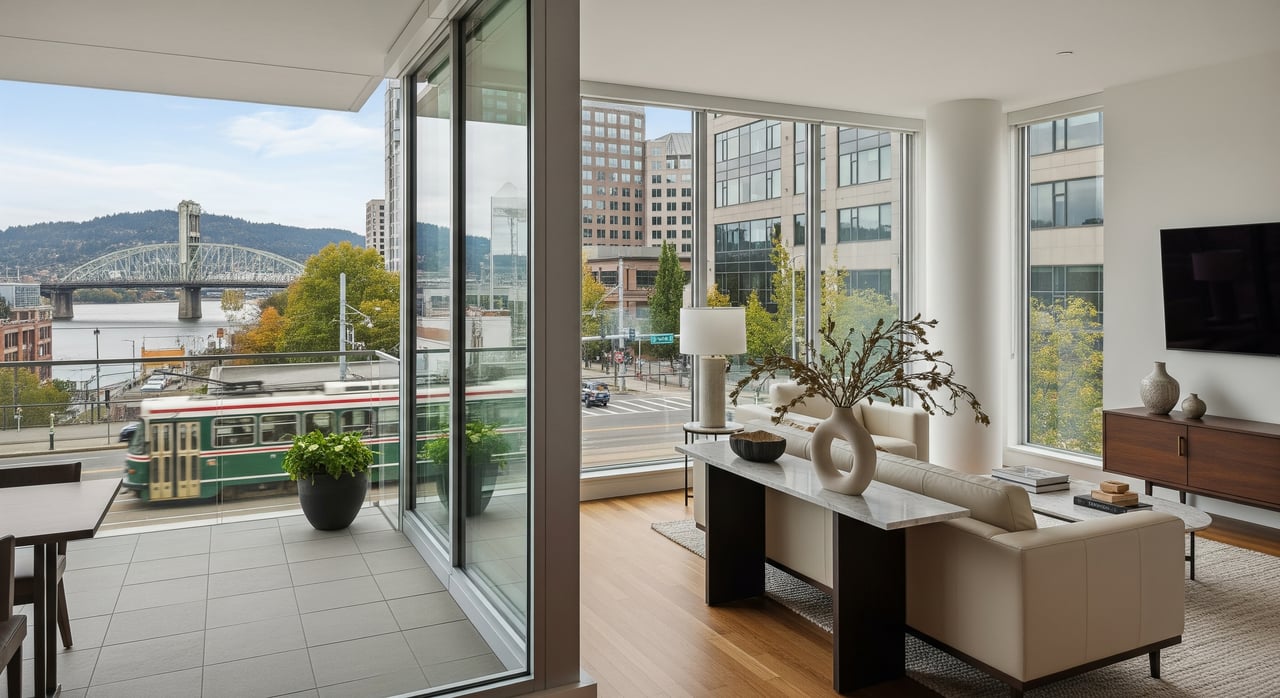
Your Guide to Portland Streetcar Condo Living Downtown
December 4, 2025
December 4, 2025
Thinking about a downtown Portland condo where your morning coffee, weekly errands, and favorite parks are a short stroll or a quick streetcar ride away? If you want a car-light lifestyle with easy access to the Pearl, the West End, PSU, South Waterfront, and the Central Eastside, the Portland Streetcar can be your daily connector. You want clarity on neighborhoods, commute options, and what to look for in a building before you buy. This guide shows you how to map life along the streetcar, compare condo areas, and make a smart, comfortable choice for urban living. Let’s dive in.
The Portland Streetcar is built for short, local trips across the city’s core. It links the Pearl District, the downtown core and West End, South Waterfront, RiverPlace, and the Central Eastside with closely spaced stops. That means you are rarely more than a few blocks from a platform.
Stops are typically 1 to 3 blocks apart, which favors quick hops for groceries, coffee, and work meetings. For longer rides or regional trips, you can transfer to MAX light rail or bus lines easily. For current routing, hours, and stop locations, start with the official Portland Streetcar maps and service info. For regional connections and planning a transfer, use TriMet’s system resources.
Practical tip: when you tour a condo, note the named stop nearest the building and count stops to your most frequent destinations. It is often faster to think in “one-stop” or “three-stop” terms than in exact minutes.
The Pearl sits just north of Burnside and offers a blend of high-rise towers, boutique buildings, and classic loft conversions. Many addresses are within a block or two of streetcar stops. You will find independent markets, coffee bars, restaurants, and galleries, plus pocket parks like Jamison Square and Tanner Springs.
What it feels like: a walker’s hub with frequent short trips on foot. The streetcar is a convenience for crossing to downtown meetings or reaching South Waterfront, but most daily errands are a stroll.
South of Burnside, the core and West End mix older high-rises with newer luxury towers. You are close to employers, the courthouse, cultural venues, and restaurants. Powell’s sits near the Burnside edge of this area, and multiple MAX and bus connections intersect nearby.
What it feels like: maximum access to services, jobs, and transit with a lively street scene. Expect more pedestrian activity and some street noise near stops and nightlife.
Along the Willamette south of downtown, South Waterfront and RiverPlace feature newer towers and mid-rise condos with modern amenities. The streetcar links these neighborhoods to the central business district and the Pearl. Riverfront trails and OHSU facilities are close at hand.
What it feels like: contemporary buildings, views, and an easy streetcar ride into the core. Many residents pair the streetcar with the Aerial Tram for trips to OHSU on Marquam Hill.
Across the river, the Central Eastside blends creative offices, light industrial spaces, restaurants, and some residential conversions. The streetcar loop brings you directly into this employment and dining district.
What it feels like: a short, reliable cross-river hop from downtown with food, breweries, and creative workplaces in easy reach.
This historic corridor offers select condo pockets near Waterfront Park and seasonal destinations like Saturday Market. The streetcar and MAX both connect nearby.
What it feels like: highly walkable blocks with quick access to the riverfront and tourist activity at peak times.
The streetcar works best for:
Helpful connection notes:
Service varies by route and time of day. Before you rely on a late evening or early morning trip, check the latest headways and hours on the Portland Streetcar site.
Downtown Portland scores high for walkability, and many streetcar-served addresses are considered a “Walker’s Paradise.” To compare your top buildings, you can review neighborhood measures on Walk Score and then verify what you care about most within a 5- to 10-minute walk.
What most residents find within a short walk of a stop:
Keep in mind that larger supermarkets or specialty shops may sit a few stops away. Many residents use the streetcar for those trips and carry smaller loads or use delivery services.
Noise and street life can vary by block. Corners next to stops, nightlife, or major intersections can feel more active. If you are sensitive to sound or low-frequency vibration, visit during different times of day to gauge the feel inside the building and on the street.
Buying a condo near the streetcar is about more than the ride. Ask these building-specific questions as you tour:
To double-check property and building records, use PortlandMaps for parcel and permit data and the Multnomah County assessor for official records.
Use this quick, simple process to compare addresses:
Rather than chase exact minutes, think in terms of nearby platforms and short stop counts. If minutes matter for your schedule, check live times during the hours you plan to ride.
Service patterns and hours can change. Before you finalize a condo choice or a daily routine, confirm:
If you want help mapping these details to specific buildings, a local guide can save you time and guesswork.
Ready to find the right downtown Portland condo with easy streetcar access? Reach out to Erika Wrenn for calm, boutique guidance rooted in the Pearl District and downtown core. Let’s connect.
Stay up to date on the latest real estate trends.
Get assistance in determining current property value, crafting a competitive offer, writing and negotiating a contract, and much more. Contact me today.