Condo vs Townhome in Northwest Portland: Buyer Guide
January 1, 2026
January 1, 2026
Trying to choose between a condo or a townhome in Northwest Portland? From the sidewalk they can look similar, but the way you own, maintain, insure, finance, and live in each is very different. If you want a walkable lifestyle near NW 21st and 23rd, the right choice comes down to your priorities around privacy, parking, fees, and long-term upkeep. This guide breaks down the differences so you can match your purchase to how you live, not just how a property looks. Let’s dive in.
Northwest Portland, including Nob Hill and the Alphabet District, is one of the city’s most walkable areas with a dense mix of shops, restaurants, and services along NW 21st and NW 23rd. Many residents rely on frequent TriMet bus and streetcar connections and biking for daily errands and downtown access. High Walk Score metrics reflect how much you can do on foot here.
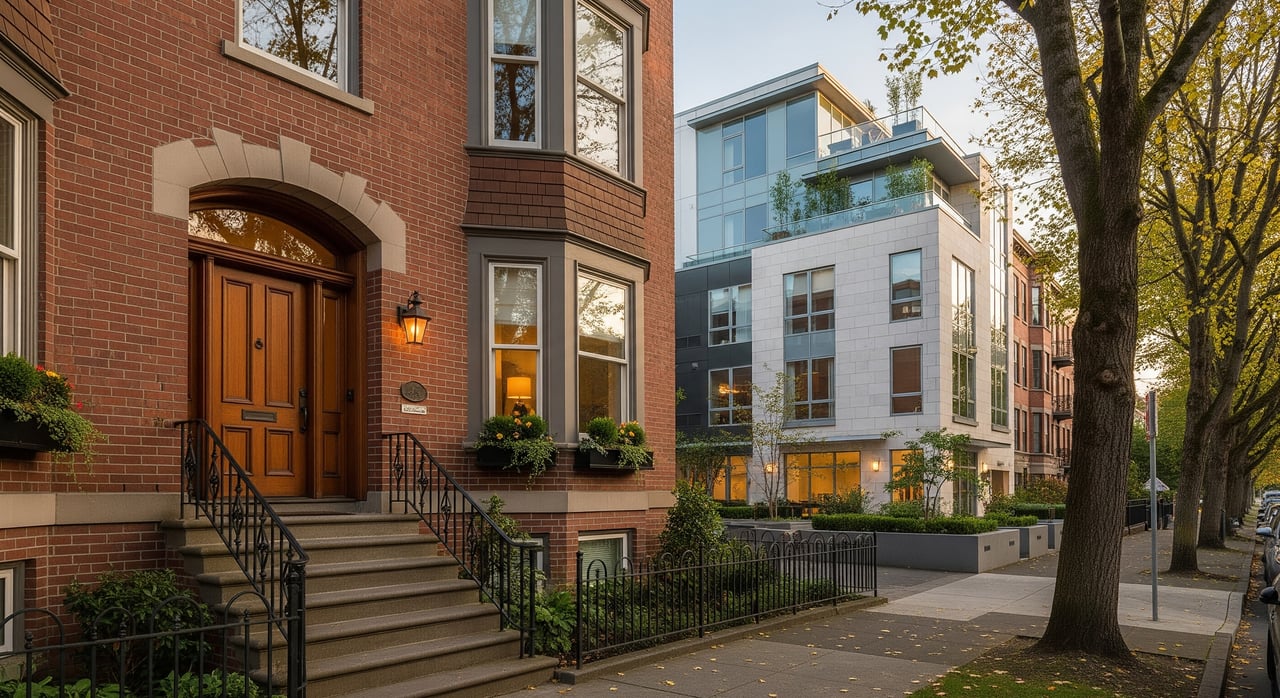
Housing is mixed. You’ll see older condo buildings, newer mid-rise projects, small-lot homes, and modern infill townhomes with private entries and garages. Parking is more limited than in suburban areas, so buyers often weigh garage access, assigned parking, or a car-light lifestyle.
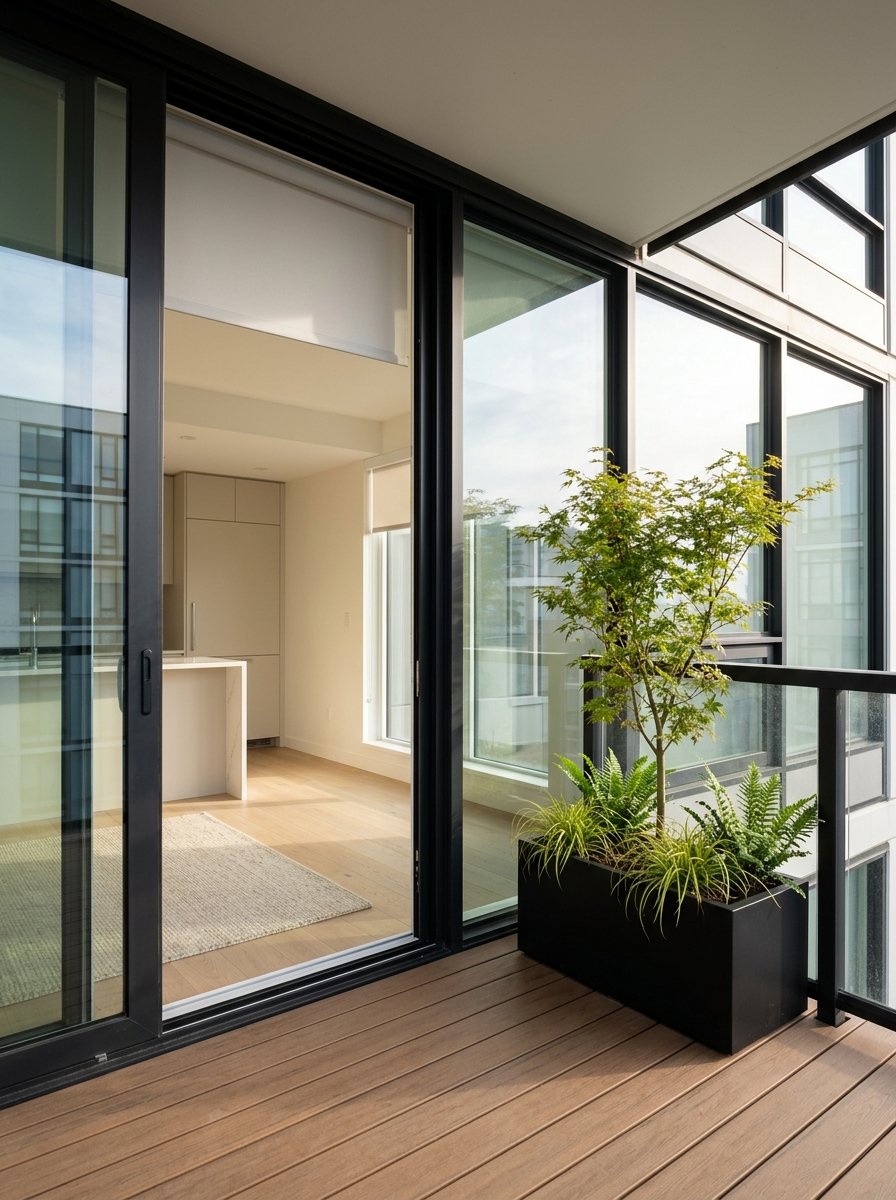
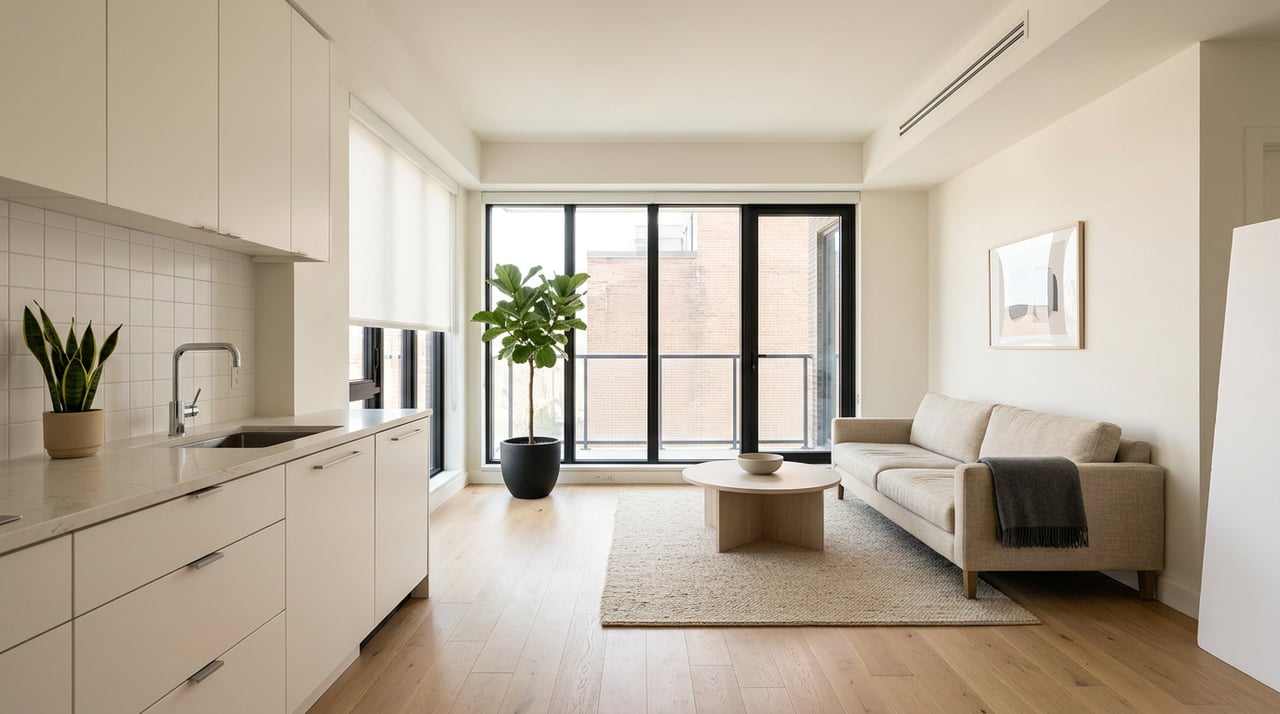
In most condominiums, you own the interior of your unit as defined by the declaration and share an undivided interest in common elements. Common elements can include the roof, exterior envelope, hallways, elevators, landscaping, and building systems. Projects are governed by CC&Rs, bylaws, and a recorded declaration that outline maintenance responsibilities, rules, and voting rights.
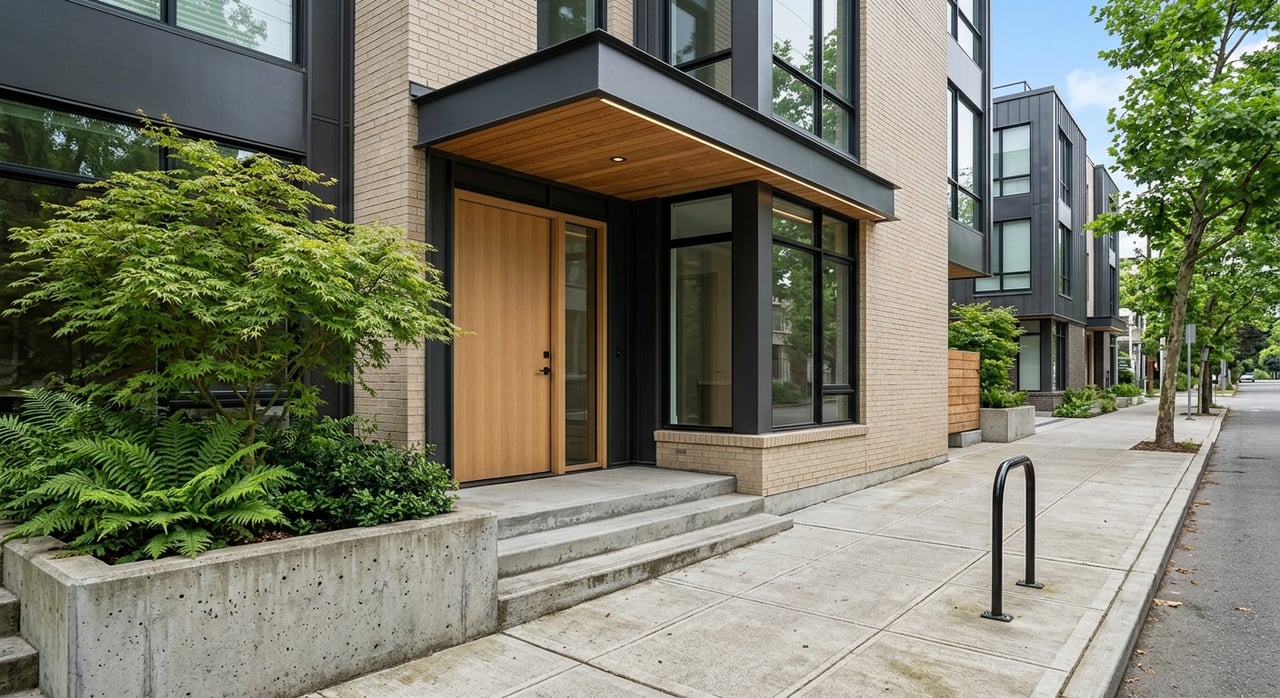
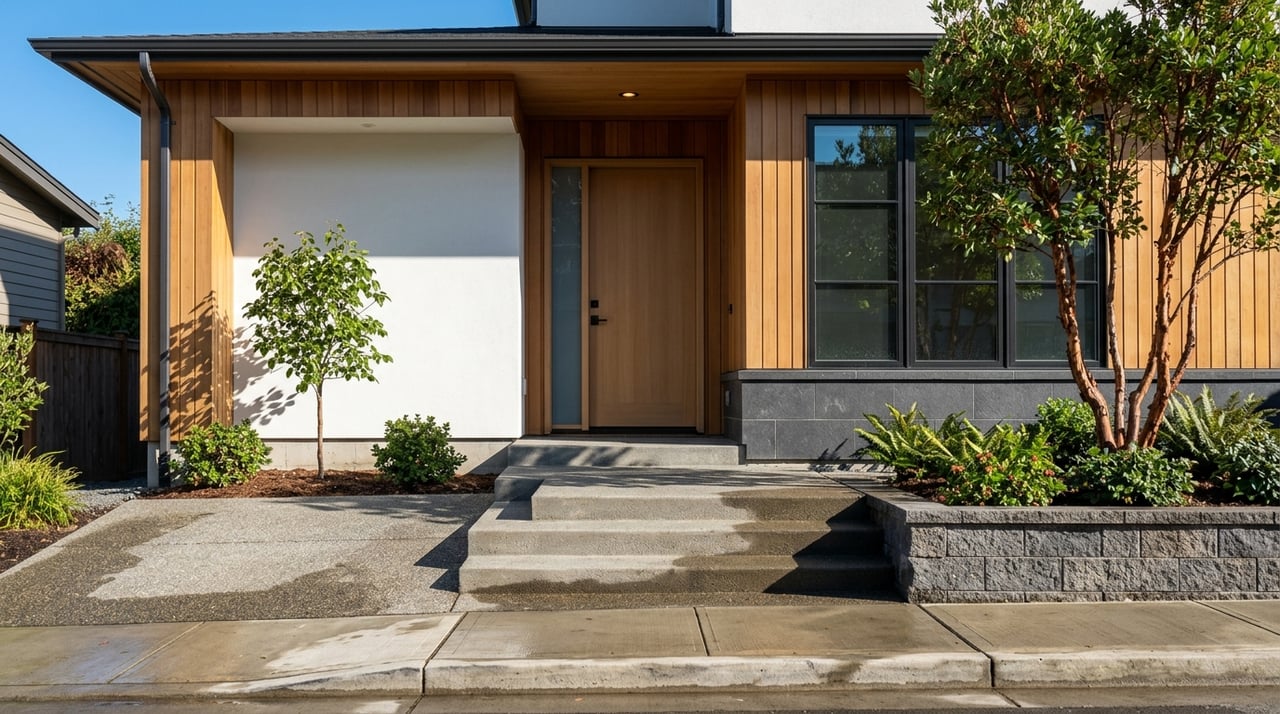
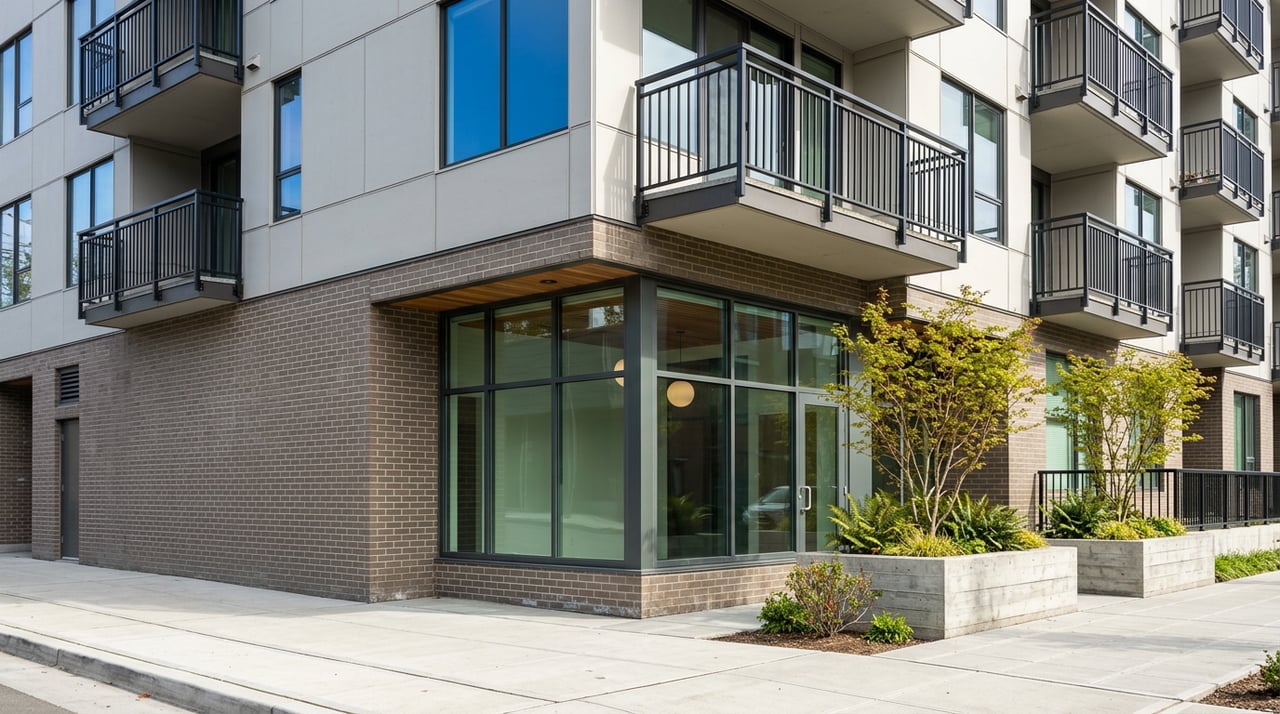
Townhomes are often fee-simple, meaning you own the residence and the parcel footprint. Many have private street-level entries and a garage. In Northwest Portland, some townhomes are legally set up under a condominium regime even if they look like rowhouses. Others are true fee-simple homes with a smaller HOA that manages limited shared items like a driveway or fencing. Always verify the recorded legal structure before you assume anything about insurance or HOA scope.
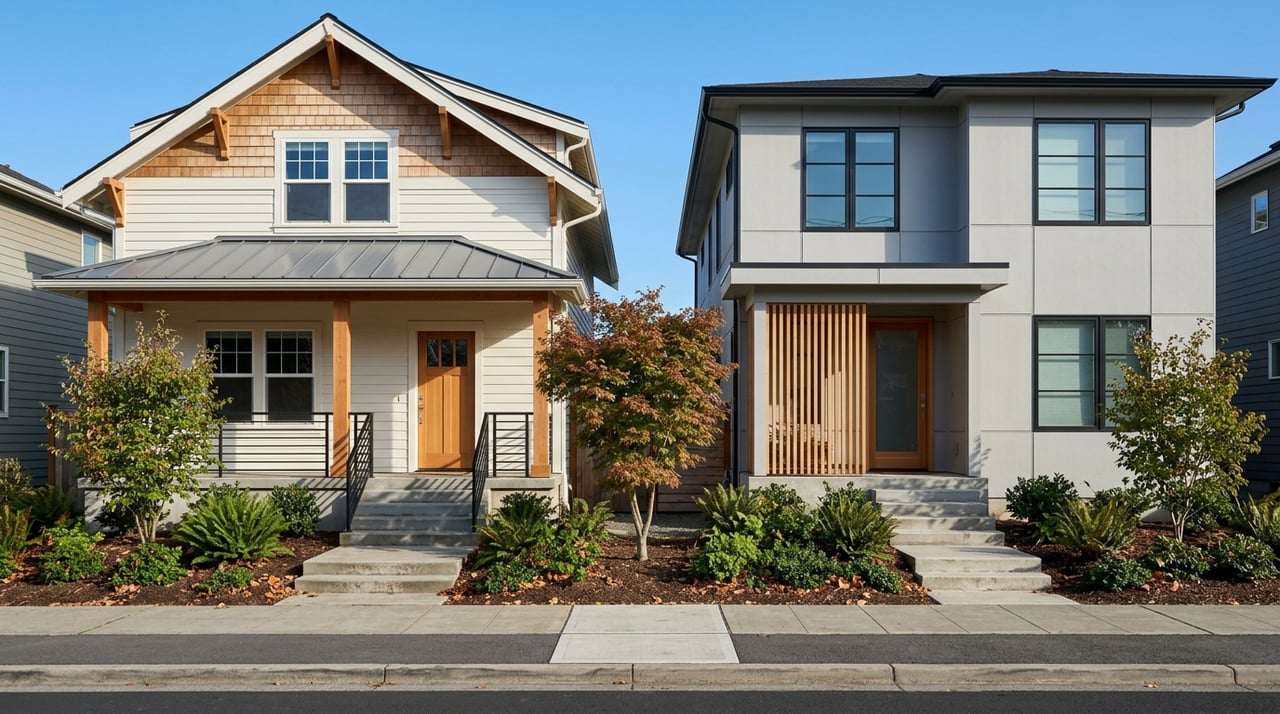
Two attached homes can look nearly identical yet carry very different responsibilities. A townhome that is legally a condo may have condo-style insurance, rules, and lender requirements. A fee-simple townhome is typically underwritten like a single-family home. Knowing the recorded regime early helps you set realistic expectations for financing, insurance, and maintenance.
Condo HOA fees are often higher because they fund larger systems, staffing, and amenities. Townhome fees can be lower if owners handle exterior upkeep themselves. Fees can change if a community faces budget shortfalls, deferred maintenance, or special assessments for capital repairs like roofing or siding. In Portland’s wet climate, the health of the reserve fund matters.
Pet policies, short-term rental restrictions, parking rules, quiet hours, and exterior alteration approvals are typical. Rental caps and owner-occupancy policies vary and can affect both investors and buyers who need certain loan types.
Request the HOA budget, balance sheet, reserve study, insurance certificate, and board meeting minutes from the past 12 to 24 months. Ask about pending special assessments or litigation, owner-occupancy and rental percentages, and how the property is managed. Professional management can signal more standardized processes, while a self-managed HOA may require closer scrutiny of documents and reserves.
Our climate puts extra stress on roofs, flashing, windows, and siding. For condos, ask about recent capital projects like re-roofing, siding, or window replacements and review the reserve study for adequacy. For townhomes, inspect individual rooflines and envelope details because those may be your responsibility. If HOA minutes mention water intrusion, consider a building envelope specialist.
Condos often appeal to first-time buyers, downsizers, and anyone prioritizing low-maintenance living with amenities. Townhomes attract buyers who want more autonomy, a private entry, and often a garage. Condo values can be sensitive to project-level health, reserves, and maintenance history. Fee-simple townhomes may be perceived as carrying fewer shared liabilities, which some buyers see as a plus for long-term appreciation. Supply also differs: in dense urban cores, condos can outnumber townhomes, which can influence pricing and days on market.
Property taxes are based on assessed value and are not determined by ownership type. HOA dues are typically not tax-deductible for most primary residences, but they do affect your monthly carrying costs. Weigh dues alongside utilities, insurance, and parking.
Condos have shared walls and stacked floors, so sound transfer depends on construction quality and location within the building. Townhomes add vertical separation and often a small private outdoor area that can be helpful for pets. If quiet is a priority, ask about construction type, proximity to retail corridors, and building soundproofing, and review HOA pet policies.
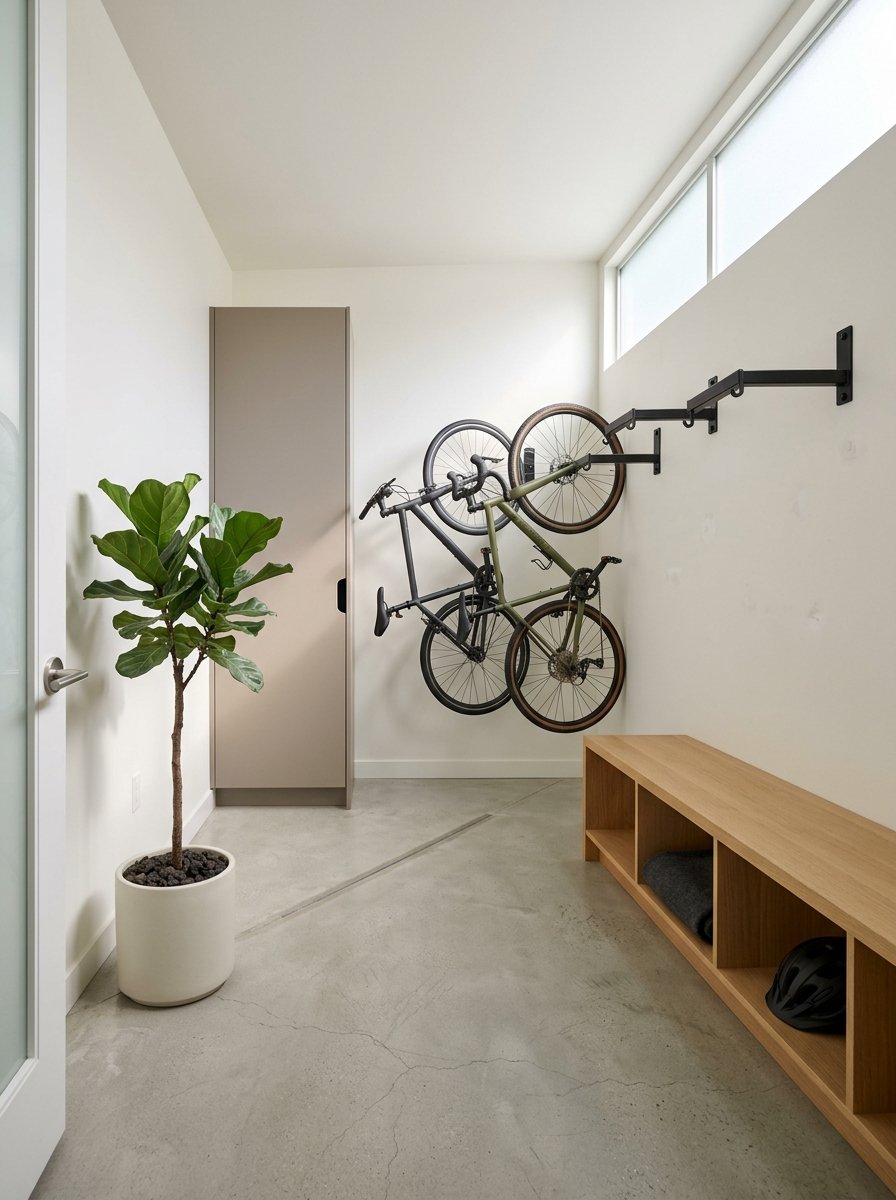
Northwest Portland excels at car-optional living thanks to TriMet’s frequent service and the neighborhood’s high Walk Score. Still, parking is a real trade-off. Many condos offer assigned or deeded parking with guest restrictions. Townhomes often include private garages, which can make storage and weekend adventures easier. If you host visitors often, confirm guest parking rules or nearby permit options.
Before you commit, gather and review:
For property research and historical permits, the City’s PortlandMaps site is a helpful starting point.
When you weigh the trade-offs through the lens of your daily routines, the answer becomes clear. If you want a calm, expert partner who knows Northwest Portland’s buildings, CC&Rs, and micro-locations, reach out to Erika Wrenn for a focused search and a smooth, well-managed purchase.
Stay up to date on the latest real estate trends.
Get assistance in determining current property value, crafting a competitive offer, writing and negotiating a contract, and much more. Contact me today.