SE Portland Seismic Retrofit Guide for Vintage Homes
November 6, 2025
November 6, 2025
If your Southeast Portland home was built before 1960, a strong earthquake could shift it, crack walls, or even push it off the foundation. That sounds alarming, especially if you love your vintage bungalow or cottage. The good news is you can reduce risk with a few focused upgrades that are proven, relatively affordable, and often completed in days. In this guide, you will learn what foundation bolting and cripple-wall bracing are, how chimney fixes fit in, what permits Portland requires, and how to document the work so buyers feel confident. Let’s dive in.
Southeast Portland has many early and mid-century wood-frame houses on crawlspaces. These homes give the area its charm, but they often lack modern seismic connections. Oregon faces earthquake hazards from both the Cascadia subduction zone and local crustal faults. For a clear overview, review DOGAMI’s earthquake hazard information for Oregon and the Portland metro area through the agency’s main resource hub at Oregon Department of Geology and Mineral Industries.
Older houses typically have three weak points during shaking:
Targeting these areas with prescriptive fixes improves life safety and helps protect your investment.
Prescriptive seismic retrofits follow standard details that fit many typical wood-frame homes. They are designed to be straightforward for licensed contractors and inspectors to evaluate. When conditions are complex, you may need an engineered design. For homeowner-friendly explanations, see FEMA’s earthquake retrofit guidance and the prescriptive standards highlighted by Earthquake Brace + Bolt.
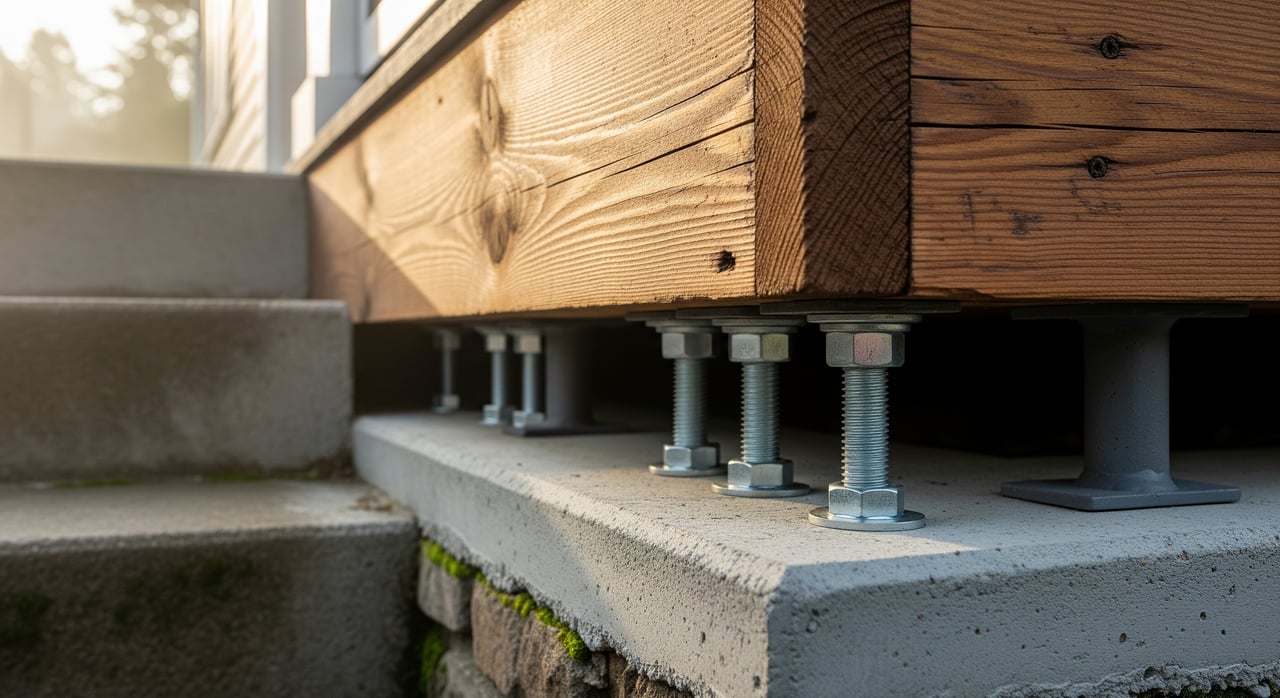
Foundation bolting secures the wood sill or rim joist to the concrete foundation so the house does not slide during shaking. Contractors install anchor bolts or approved mechanical anchors at prescribed spacing with proper washers and nuts. This work is usually done from the crawlspace. If your foundation is severely deteriorated or nonstandard, an engineered plan may be required.
What you can expect:
Cripple walls are the short framed walls between your foundation and the floor above. Without bracing, they can rack and fail. Bracing adds plywood shear panels with a specific nailing pattern to create lateral strength. Contractors may add blocking and ensure the bottom plate is solidly connected to the foundation with the bolting described above.
Helpful notes:
Unreinforced masonry chimneys are a common hazard. Bricks can fall through the roof or to the exterior. Options include bracing the chimney to roof framing and at the base or removing the masonry and replacing it with a lighter, code-compliant metal flue. Chimney work often needs a permit and may involve a masonry specialist or engineer, depending on condition and scope.
Prescriptive methods are not a fit for every home. You should consult a registered structural engineer if you have:
Engineered retrofit plans are tailored to your structure and are reviewed as part of the building permit.
In Portland, foundation bolting, cripple-wall bracing, and most chimney modifications are structural work and typically require a building permit. Permits help ensure your project meets the Oregon Residential Specialty Code as enforced by the City of Portland. They also create an official record that buyers and lenders appreciate.
How the process works:
For an overview of local permit steps, visit the Portland Bureau of Development Services permit guidance. You can also explore broader resources at the Bureau of Development Services.
If you plan to sell, organized documentation makes a difference. Oregon’s Seller’s Real Property Disclosure requires you to disclose known material facts and improvements. Provide buyers with a clean, complete package that includes:
This set builds trust and reduces back-and-forth during escrow.
Careful selection sets your project up for success. Oregon requires most residential contractors to be licensed. Always verify the license.
Every home is different, so seek at least two comparable bids based on the same written scope. Prices vary with crawlspace access, the number and length of cripple walls, framing or rot repairs, chimney condition, contractor demand, and permit timing. Many small bolting and bracing jobs take several days to a couple of weeks for on-site work and inspections, but scheduling and permitting can extend the overall timeline.
Use this quick list to plan your project in Southeast Portland:
If you are buying an older SE Portland home, you can verify seismic upgrades during your due diligence period.
Bolting, bracing, and addressing a vulnerable chimney offer meaningful protection for many SE Portland homes. With the right permits, a qualified contractor, and solid documentation, you can improve safety and future resale confidence. For background and homeowner-friendly technical context, review FEMA’s earthquake resources and the prescriptive standards promoted by Earthquake Brace + Bolt. For local hazard context, explore DOGAMI’s statewide resources.
If you are planning a sale or purchase in Southeast Portland and want to discuss how seismic upgrades affect marketability, timing, and disclosure, reach out. Unknown Company is here to help you navigate your next move with calm, clear guidance.
Stay up to date on the latest real estate trends.
Get assistance in determining current property value, crafting a competitive offer, writing and negotiating a contract, and much more. Contact me today.