Leave a Message

Thank you for your message. We will be in touch with you shortly.

Is a Downtown Portland Condo Right for Your First Condo Purchase?

February 19, 2026

Thinking about trading yard work for skyline views and a walkable lifestyle? If you are buying your first home in Portland, a downtown or South Waterfront condo can be a smart move, but it comes with its own rules. You deserve a clear, practical way to weigh the lifestyle perks against HOA dues, building health, and financing details.

In this guide, you will learn what a “starter” condo looks like downtown, how to factor HOAs into your monthly budget, what to check in an HOA’s documents, and the pros and cons specific to Portland’s core. You will also see how building type and age affect risk, comfort, and resale.

Let’s dive in.

What a starter condo looks like downtown

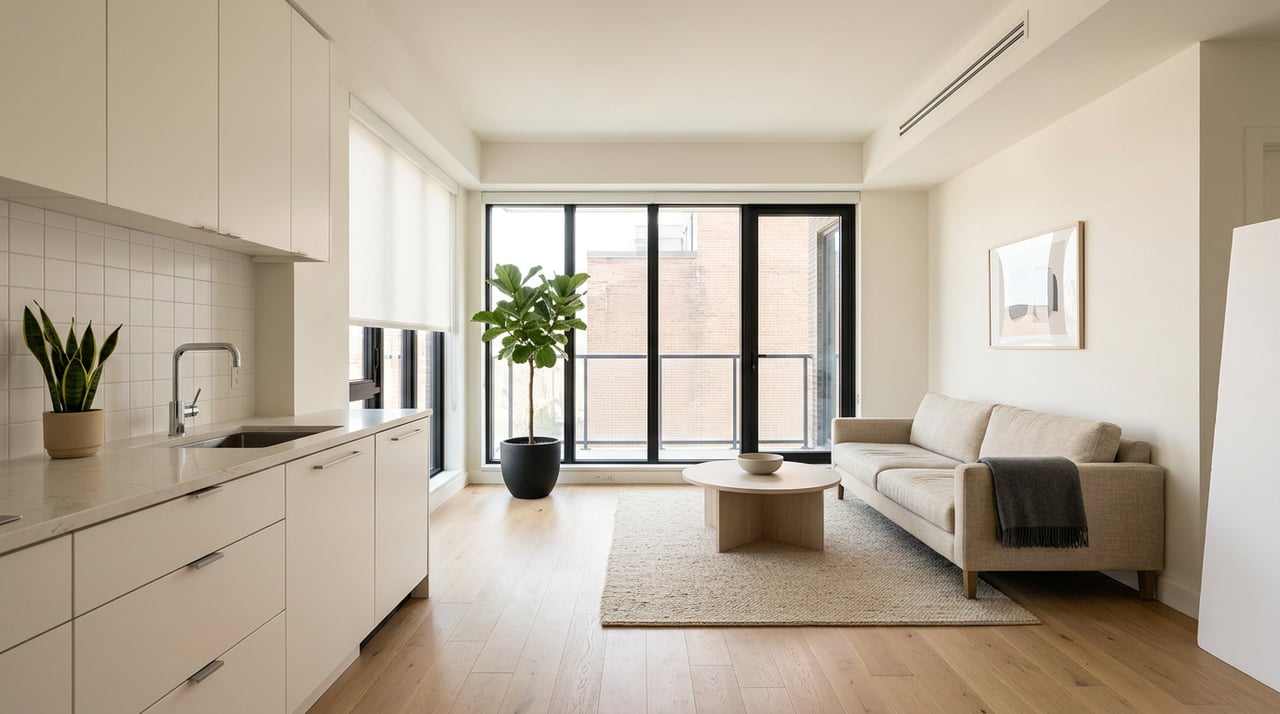
For first-time buyers, a typical downtown starter condo is a studio or one-bedroom between about 400 and 800 square feet. You also see compact two-bedroom options in some older or smaller buildings. Space is efficient rather than large, and storage is often built in.

Monthly HOA dues are a key part of the picture. Dues often cover building insurance, exterior maintenance, elevator service, and shared amenities like a gym or concierge. These costs replace many single-family maintenance expenses, but they do add to your monthly total.

2025 market snapshot

• Downtown Portland’s home-value index is roughly $310,000 based on Zillow’s neighborhood data as of December 2025. This reflects softer condo demand seen in many U.S. city centers in 2024 and 2025. National reporting notes caution around older towers, reserves, and insurance that has slowed the condo segment compared with single-family homes. (See the Wall Street Journal’s coverage for context.)

Daily life and getting around

Downtown Portland is transit rich. MAX Light Rail runs through the city center with daytime trains typically around every 15 minutes, making commuting and errands easier if you choose to go car optional. You can review routes and schedules on the MAX Light Rail service page.

Walkability is a major draw. Downtown commonly scores in the mid 90s on Walk Score’s walk and transit metrics. If you like grabbing coffee, catching a show, or walking to work, those short distances add up. Explore the area’s metrics on Downtown Portland’s Walk Score overview.

If you are looking at South Waterfront, you also gain the Portland Aerial Tram that links the neighborhood to OHSU on Marquam Hill. That is a meaningful benefit for OHSU employees and anyone who visits the medical campus often. Learn more on the OHSU Tram overview.

Building types you will see

Not all towers are the same. Understanding the differences helps you set expectations on price, amenities, and potential maintenance.

Newer riverfront high-rises

South Waterfront features modern towers with concierge services, gyms, and secure parking. Prices per square foot are higher and HOA dues reflect full-service amenities. Buildings like the Meriwether offer river views and a polished lifestyle. You can see a representative example on the Meriwether building page.

2000s downtown towers

Mid- to late-2000s buildings often blend modern finishes with moderate amenity packages. Reserves, insurance, and management approach vary by HOA, so it is important to review documents closely. A known example downtown is Benson Tower.

Older mid-century towers

1960s to 1980s towers, including converted lofts, may offer larger floor plans at lower purchase prices. The tradeoff can be aging mechanicals, planned roof or exterior projects, or window and elevator updates. Budget for potential renovations and check the reserve study for major items on the horizon.

The money math: HOAs, assessments, parking, and financing

You want a clear picture of your true monthly and long-term costs. Use this checklist to frame your numbers.

  • HOA dues. Add monthly dues to your principal, interest, taxes, and insurance. Dues fund building insurance and upkeep you do not handle yourself. They also cover amenities you will use.
  • Reserve health. Oregon requires most condo associations to maintain a reserve account and a reserve study that is reviewed annually. The law appears in ORS 100.175, which you can review on law.justia’s ORS 100.175 page. A well funded reserve lowers the risk of special assessments.
  • Special assessments. If reserves are low, big projects like roof or envelope repairs can trigger one-time owner assessments. Read recent board minutes and the latest reserve study for clues.
  • Parking. Some buildings include deeded spaces that transfer with the unit, while others use licenses or rented stalls. Clarify what you are buying and the monthly cost if parking is separate.
  • Financing and warrantability. Conventional and FHA loans look at the condo project, not just your unit. Inadequate reserves, high HOA delinquencies, heavy commercial use, litigation, or too many investor-owned units can limit your loan options. Lenders follow agency rules, including FHA’s condo project guidance found in the HUD Handbook 4000.1. You can reference the FHA guidance summary. Ask your lender early whether the building is project eligible.

Nationally, many downtown condo markets have seen slower demand and tighter lender scrutiny on older towers. The Wall Street Journal’s reporting on condo-market weakness helps explain why buyers and lenders are looking closely at reserves, insurance, and building condition.

Building health and safety to review

Water intrusion, exterior envelope repairs, and elevator performance show up often in Pacific Northwest towers. Read the last year of meeting minutes and any inspection or engineering reports the HOA provides. Ask directly about history of envelope work, below-grade waterproofing in riverfront buildings, and elevator modernization.

Seismic context matters in Portland, especially near the waterfront. State guidance flags higher liquefaction risk in low-lying areas during a major Cascadia event. The age of a tower and its seismic design or retrofit history are meaningful factors. Review the state’s overview on Oregon seismic resilience and ask the HOA or management for any structural studies.

Your due diligence checklist

Before you write an offer, request documents that let you understand the building’s finances, maintenance plan, and rules. Oregon’s condo law spells out association duties and disclosures in Chapter 100. You can read the statute overview on the Oregon Legislature’s ORS 100 page.

Documents to request

  • HOA resale or estoppel certificate with a current statement of unpaid assessments, HOA dues, and any known special assessments.
  • Current year HOA budget, the last two to three years of financial statements, and the most recent reserve study and policy. Confirm whether the board follows the reserve study recommendations. ORS 100.175 requires a reserve study and account for most associations. Review the statute summary at ORS 100.175.
  • Last 12 months of board meeting minutes to spot maintenance projects, cash flow issues, or planned assessments.
  • Master insurance declarations, including coverage type and limits. Confirm whether the policy includes or excludes earthquake and flood.
  • Any notices of litigation, major vendor claims, or structural reports.
  • Parking deeds or licenses, guest parking rules, and EV charging details if relevant.

Smart questions to ask

  • Is the project eligible today for conventional or FHA financing, and does the lender require a separate project review? If so, what is the timeline?
  • When was the last reserve study performed, and is the board following it? Are any special assessments planned within the next 12 to 36 months?
  • What utilities or services are included in HOA dues, and are utilities separately metered?
  • What is the building’s history with water intrusion or envelope repairs? Any active safety, structural, or elevator reports?
  • Is the association professionally managed or self-managed, and how are maintenance requests handled?

Pros and cons for first-time buyers

Every home choice involves tradeoffs. Use this list to clarify your priorities.

Pros

  • Walkable lifestyle and high transit access help you spend less time driving and more time enjoying the city. Check routes on the MAX Light Rail pages.
  • Lower day-to-day maintenance since the building handles the exterior, roof, grounds, and common systems.
  • Amenities like concierge, gym, and secure parking are common in newer towers. See a representative South Waterfront example at the Meriwether.
  • For some buyers, total cost of living can be competitive when you weigh reduced commuting, no yard equipment, and building-provided services. Model your numbers to be sure.

Cons

  • HOA dues add to your monthly cost, and underfunded reserves can lead to special assessments. Oregon law requires reserve studies, but funding levels vary by building.
  • Parking can be limited or expensive downtown. Confirm whether a stall is deeded property or a license and what that means for resale.
  • Financing may be limited if a project is considered non-warrantable. That can affect refinancing and your future buyer pool.
  • Typical city tradeoffs include noise, nightlife, and less private outdoor space. South Waterfront may feel quieter than the central core, yet waterfront towers can face unique weather exposure.

How building choice shapes your experience

Two examples can help you compare. A newer South Waterfront tower with concierge and river views feels like full-service living, with higher HOAs that cover many comforts. You will focus your due diligence on long-term maintenance of amenities and professional management quality.

An older downtown tower may offer a larger interior at a lower purchase price. Your due diligence will lean into envelope history, elevator modernization, and reserve funding for capital projects. In both cases, you want a current reserve study and clear evidence of sound budgeting.

Decision guide: Is a downtown condo right for your first home?

A downtown condo can be a great fit if you value walkability, transit access, and the simplicity of low-maintenance living. It may also help you stay closer to work or favorite spots, which supports a lifestyle-first choice. On the other hand, if you need a private yard, lots of storage, or absolute control over building decisions, a condo may feel limiting.

Use this simple framework:

  • If you prize convenience, transit, and amenities, and you are comfortable with HOA governance, a downtown condo likely suits you.
  • If HOA dues and building-level decisions cause stress, or you plan frequent large-scale renovations, you might prefer a townhome or small house in a close-in neighborhood.
  • In every case, read the HOA documents closely, verify project eligibility with your lender early, and compare your total monthly cost across options.

Ready to explore buildings and floor plans that match your lifestyle and budget in Downtown and South Waterfront? Connect with Erika Wrenn to map your best-fit options, understand HOA health, and tour the right homes at your pace.

FAQs

What does a “starter” condo mean in Downtown Portland?

  • It usually refers to a studio or one-bedroom between about 400 and 800 square feet, sometimes a compact two-bedroom in an older building, with monthly HOA dues that cover building services.

How do HOAs and reserves affect my monthly cost and risk?

  • HOAs add to your monthly payment, and strong reserves lower the chance of special assessments; Oregon requires reserve studies and a reserve account for most associations under ORS 100.175.

What transit options make downtown living car optional?

  • MAX Light Rail, frequent buses, and the Portland Streetcar serve the core, and in South Waterfront the Aerial Tram connects to OHSU, making many daily trips simple without a car.

Why do lenders care about the condo project, not just my unit?

  • Agency rules for conventional and FHA loans evaluate the building’s reserves, insurance, owner occupancy, litigation, and commercial use to manage risk, which affects loan approval and terms.

What building issues are most important to check before I buy?

  • Review the reserve study, HOA budget, meeting minutes, master insurance, any litigation, envelope or water-intrusion history, elevator condition, and seismic or structural reports if available.

Are South Waterfront towers different from older downtown towers?

  • Newer South Waterfront buildings tend to have more amenities and higher per-square-foot prices, while older downtown towers may offer larger layouts at lower prices but can need more capital updates.

Work With Erika

Get assistance in determining current property value, crafting a competitive offer, writing and negotiating a contract, and much more. Contact me today.