Everyday Life in Pearl District Portland Lofts
February 5, 2026
February 5, 2026
Picture this: your morning coffee is a short walk downstairs, the barista remembers your order, and a leafy plaza is your living room. If you crave design, walkability, and a compact city lifestyle, a Pearl District loft offers a daily rhythm that feels effortless. You want convenience without giving up character, and a home that is as functional as it is beautiful. In this guide, you’ll see what day-to-day life looks like in a Pearl loft, the types of buildings and floor plans you can choose from, and the key tradeoffs to consider. Let’s dive in.
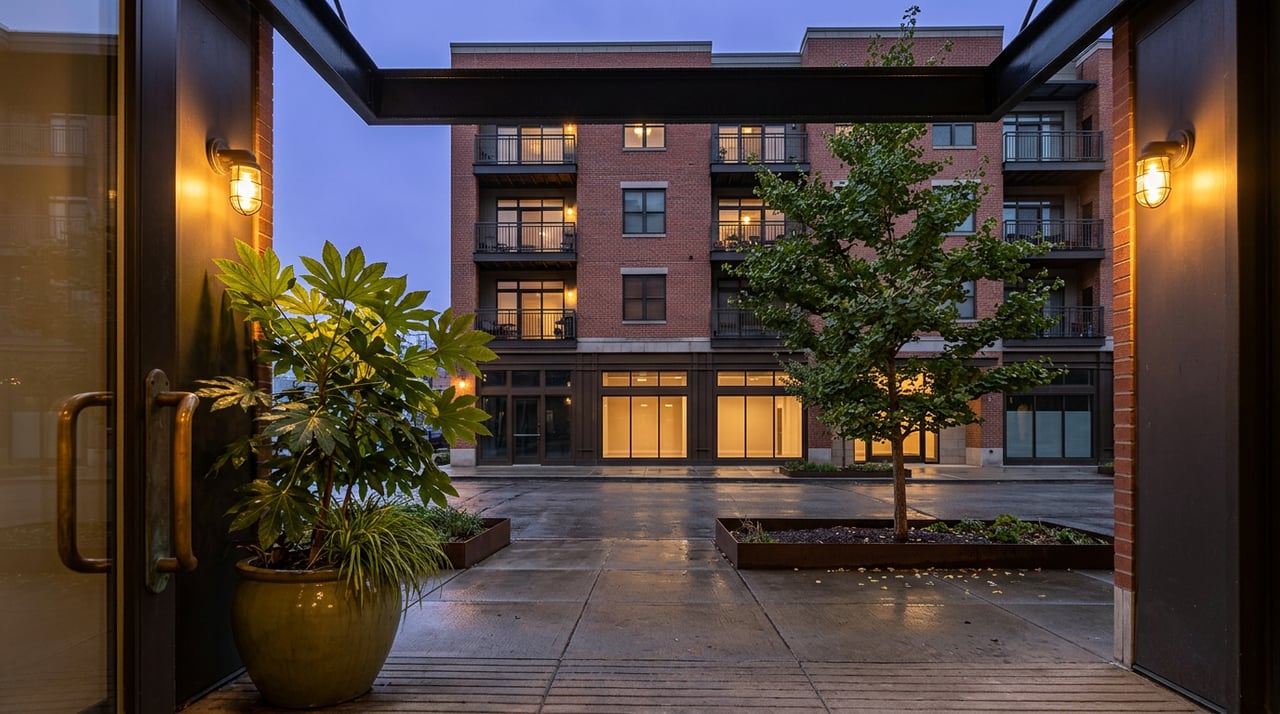
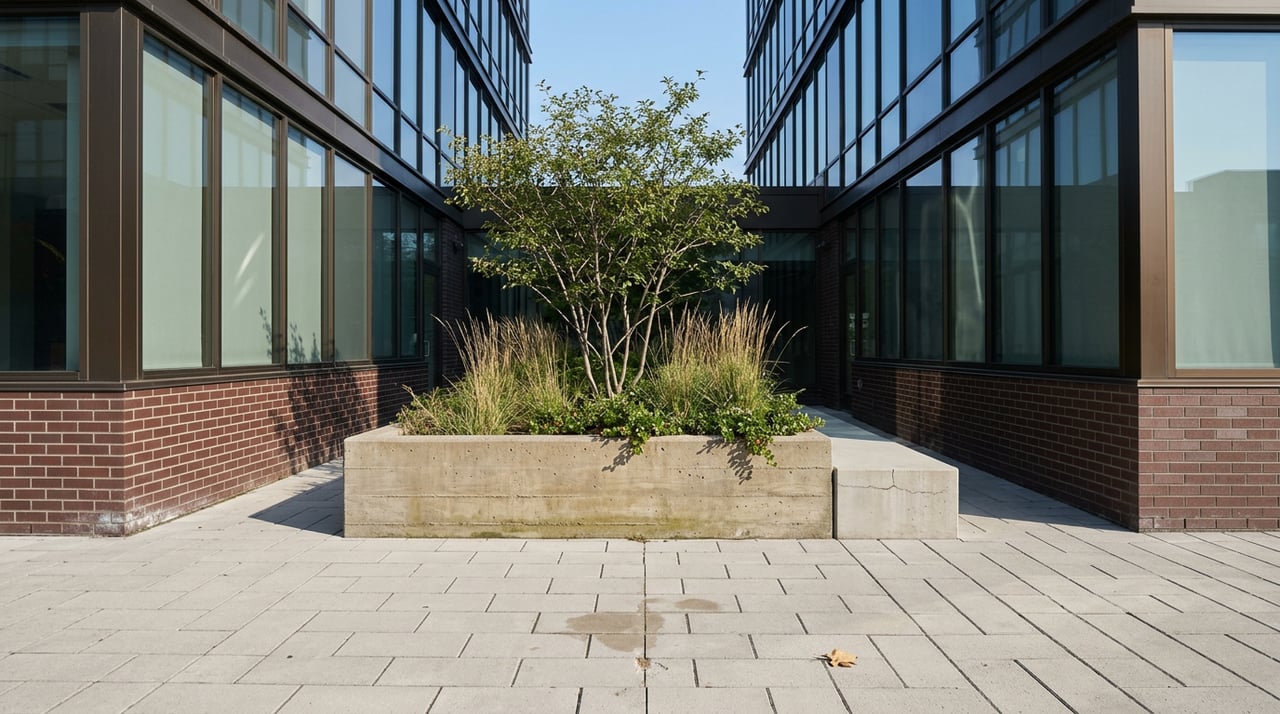
The Pearl District sits just north of downtown Portland, where old warehouse blocks transformed into a dense, mixed-use neighborhood. You see exposed brick and timber next to glass and steel, boutique storefronts next to galleries, and small parks that double as social hubs. It is a city-within-a-city where you can meet a friend for dinner, run errands, and be home in minutes.
Walkability defines life here. Short blocks, frequent cafés, and pedestrian plazas make it easy to skip the car most days. The neighborhood draws design-minded residents who value food, art, and convenience over yard space. Evenings lean toward intimate restaurants and tasting rooms rather than big clubs, which keeps the pace lively but approachable.
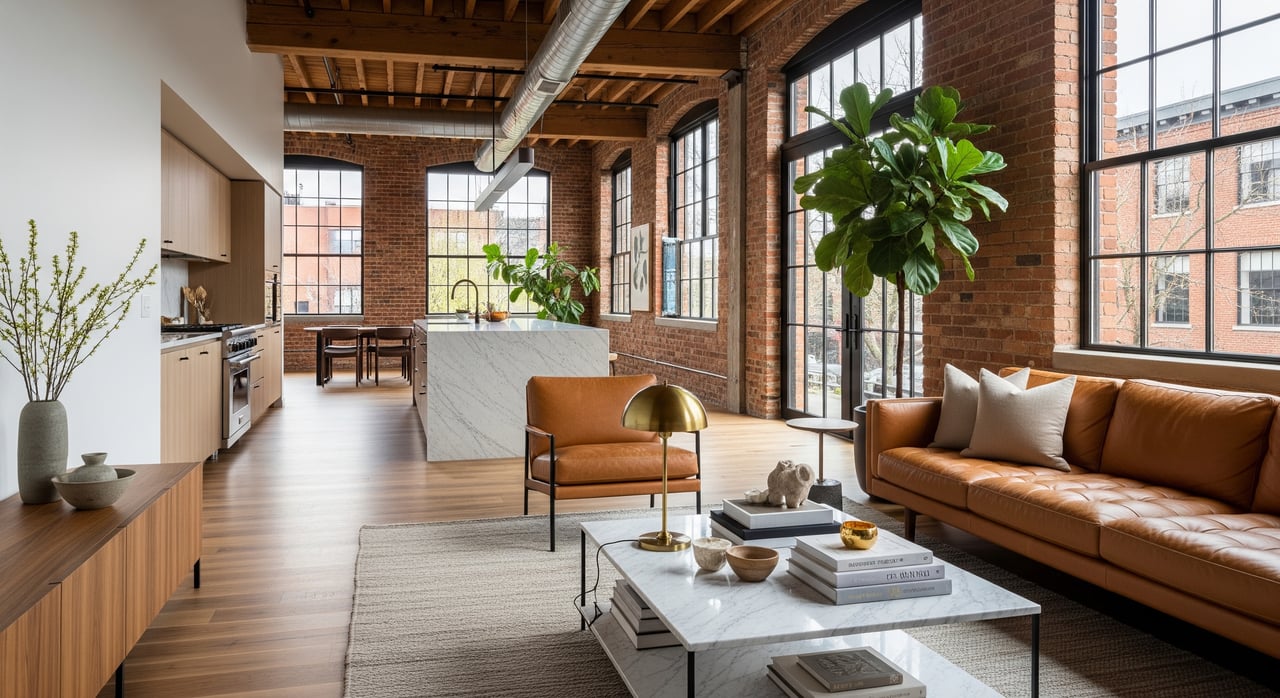
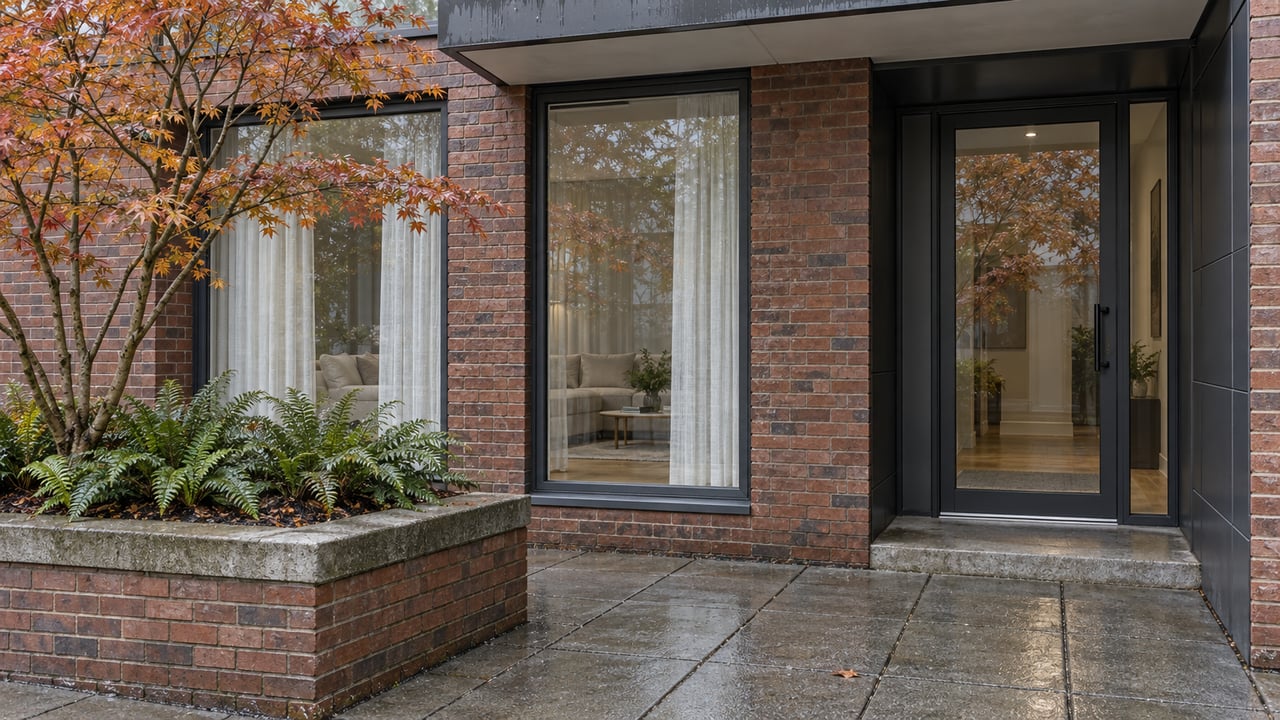
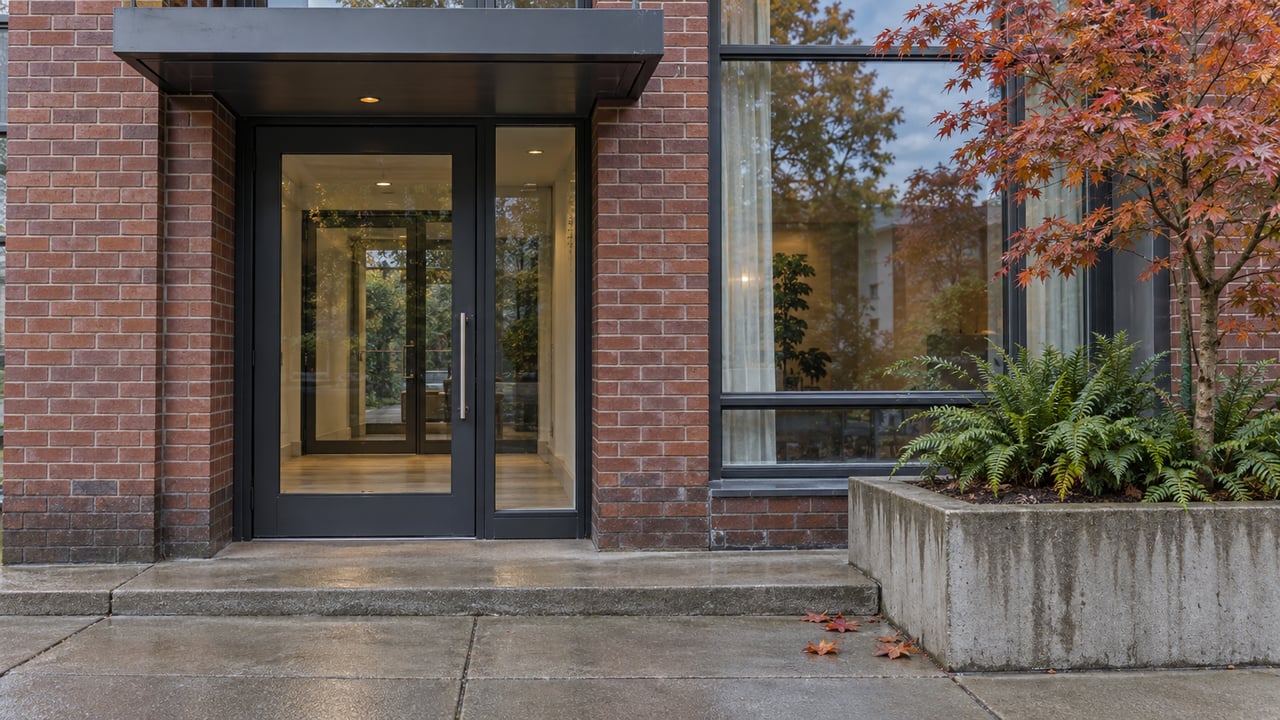
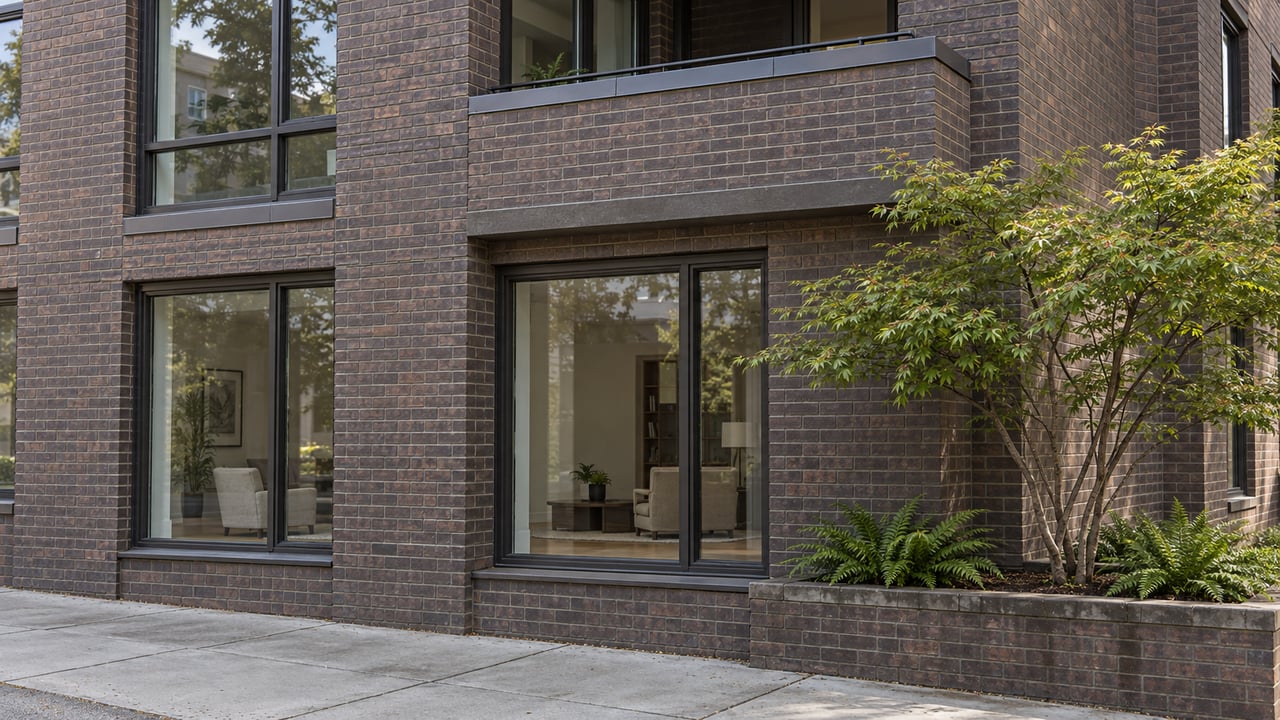
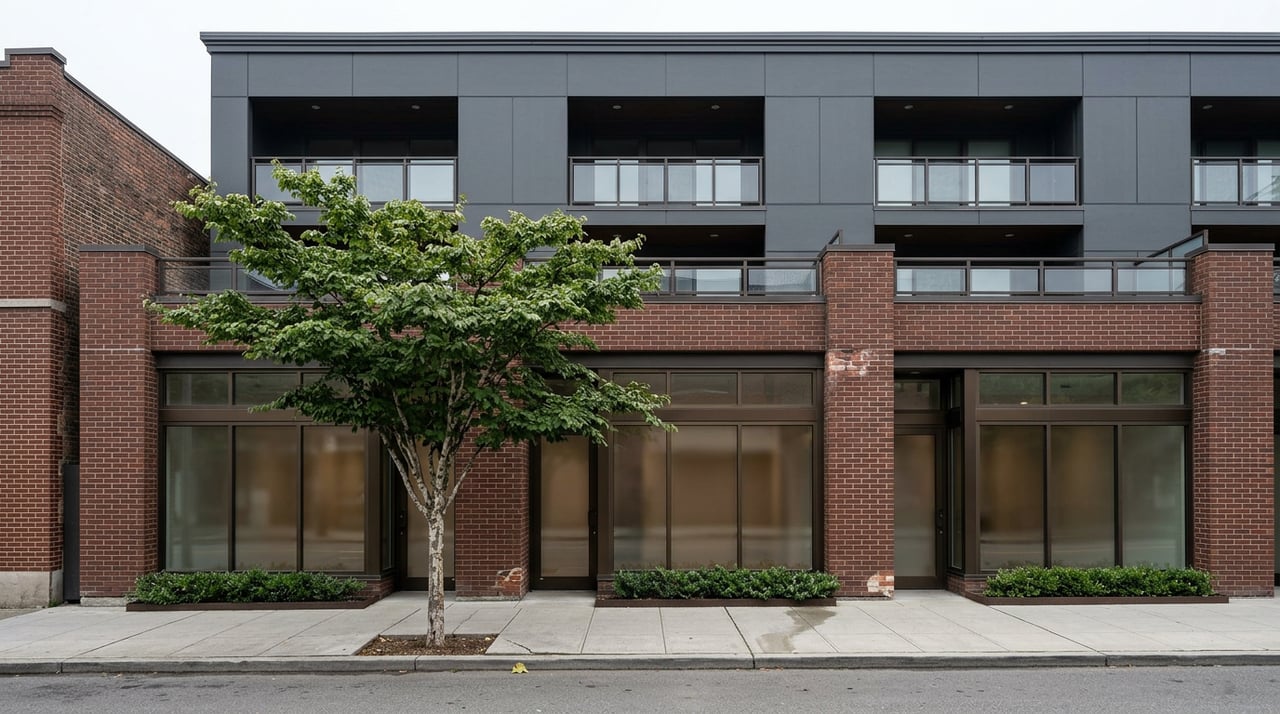
Adaptive reuse is part of the Pearl’s identity. Converted warehouse lofts show off original materials, tall windows, and dramatic ceiling heights. Newer boutique buildings add clean lines, refined finishes, and modern amenity spaces. That mix is what creates the Pearl’s curated feel.
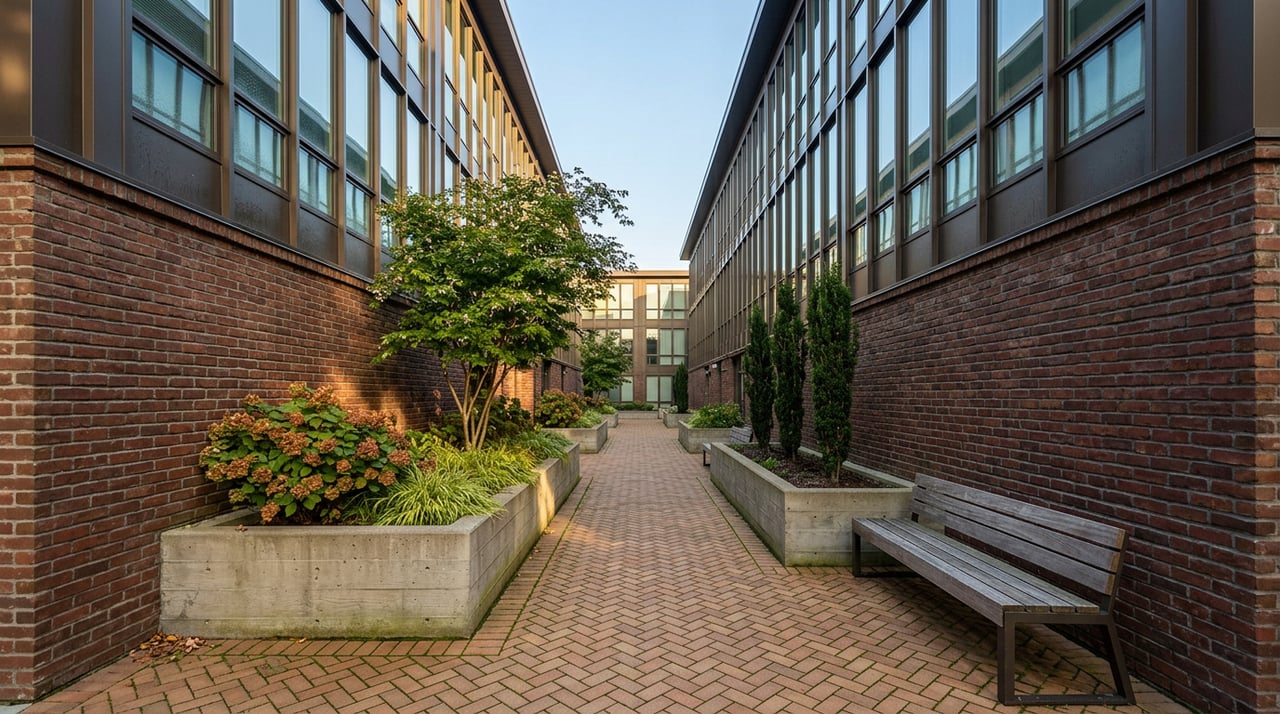
You can expect to walk for most everyday needs. Restaurants, specialty markets, coffee shops, fitness studios, and salons cluster along the main pedestrian corridors. Small parks are woven throughout, so grabbing a bench with a latte or taking a quick dog walk becomes part of your routine.
Start with a short stroll to a favorite café, then head to a nearby park or water feature for a quiet moment. Dog owners appreciate the easy leash-up-and-go routine. If you commute, the Portland Streetcar and multiple bus routes connect you to downtown and the central eastside in a few stops, and bike lanes make quick rides simple.
Errands fit between meetings. You can pick up groceries or a bottle of wine, drop by a boutique retailer for home goods, and grab lunch at a neighborhood bistro without getting in the car. Many buildings provide bike storage rooms and easy street-level access for deliveries.
Evenings often revolve around art openings, gallery walks, or dinner. The scene is active but comfortable, with many spots offering outdoor seating. On weekends, longer walks along waterfront trails or browsing a seasonal market can fill a morning before a leisurely brunch with friends.
If you love character, converted warehouses deliver. Expect high ceilings, exposed brick or timber, large industrial-style windows, and open floor plans. Layouts can be quirky, which many buyers see as a creative advantage. Common amenities may be limited, so the architecture and volume are the real draw.
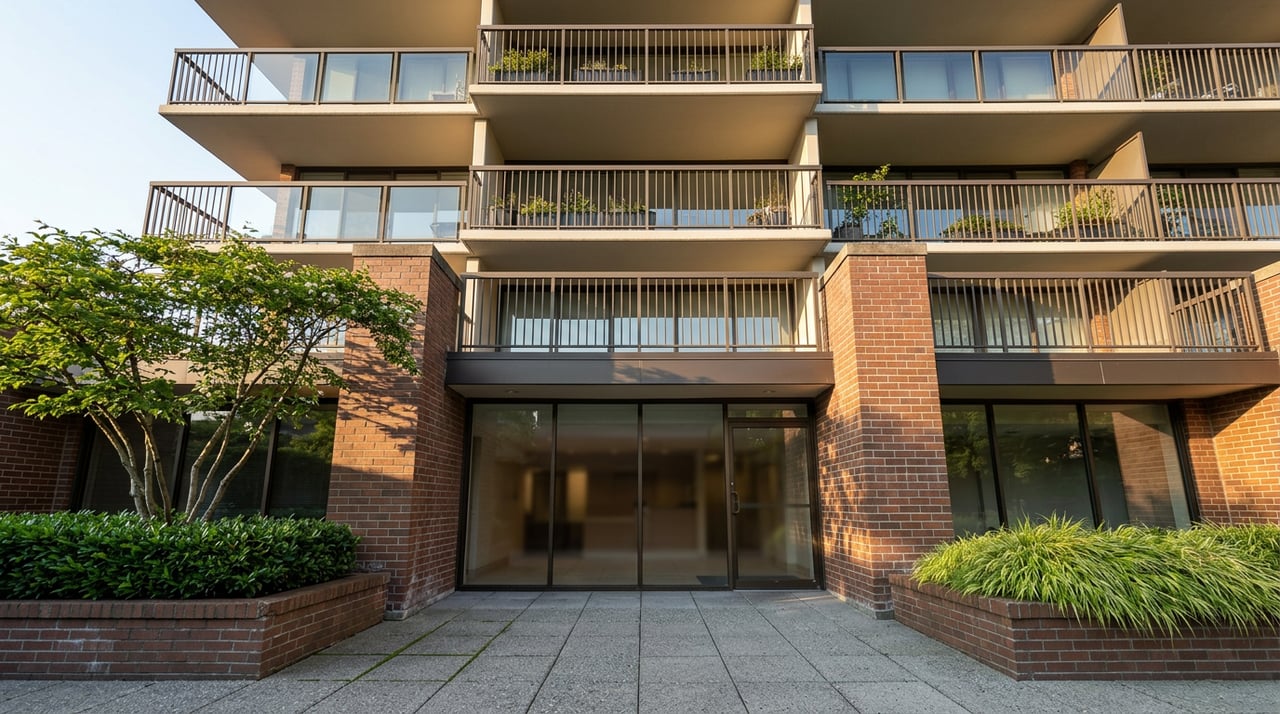
Purpose-built condo buildings typically range from four to twelve stories and focus on contemporary finishes and thoughtful amenity spaces. You often see rooftop decks, fitness rooms, secure bike storage, and common lounges. Floor plans are more standardized, which helps with furniture placement and privacy.
A smaller number of higher-end projects offer concierge services, secure parking, guest suites, and larger units. Interiors tend to be modern and curated. Monthly dues reflect the elevated amenity set, but many buyers value the added convenience and service.
Some buildings operate as rental lofts or apartments. Aesthetics can be similar to boutique condos, and certain properties offer furnished or short-term options. If you are testing the neighborhood before buying, this can be a flexible path.
These are defined by volume and light. The layout is typically one large room with kitchen and living combined. They work well if you value openness and minimalism, but they offer less privacy for guests.
You get a defined sleeping area plus a flexible space for a home office or compact guest area. This is a popular “best of both worlds” choice that preserves openness while adding separation.
For roommates, visiting guests, or work-from-home needs, two-bedrooms and split plans, where bedrooms sit on opposite sides of the living area, improve privacy. Some boutique mid-rises also include townhouse-style vertical units for a more residential feel.
Urban living comes with street activity. Lower floors and units on main corridors can hear deliveries or nightlife. Older conversions may have thinner sound insulation or varied HVAC systems. If quiet is a priority, look for higher floors, upgraded windows, and buildings known for stronger acoustic and mechanical performance.
Many residents are car-light because walking, biking, and transit are convenient. If you need a car, plan for a parking strategy. Some buildings include secure or gated parking, but spaces may be sold or rented separately and can be limited. Think about ride-hailing, deliveries, and moving logistics when comparing buildings.
Monthly HOA fees vary by building and amenity level. Higher-amenity buildings often have higher dues, while older conversions may have lower monthly costs but fewer shared spaces. Review the HOA’s budget, reserves, meeting minutes, and any planned capital projects. Confirm pet policies, short-term rental rules, and renovation procedures so your plans align with building guidelines.
Storage can be tight in lofts. Many residents add built-ins, use storage lockers, or keep off-site storage. If you have bikes or outdoor gear, verify dedicated storage areas. The Pearl is generally pet-friendly, but each building sets its own pet rules. Ask about on-site dog relief areas and nearby walk options.
Newer buildings typically meet accessibility standards with elevators and wider doorways. Some older conversions include stairs, unique floor plates, or uneven floors that can be challenging. Portland’s damp winters make good windows, ventilation, and moisture prevention important, especially in older brick structures.
Bring a simple checklist to each showing so you can compare apples to apples.
Finding the right Pearl District building is about more than square footage. You want the layout that matches your lifestyle, the building culture that fits your expectations, and an HOA with healthy reserves and clear rules. If you are weighing a converted loft against a boutique condo or a higher-amenity tower, local building knowledge will save you time and second-guessing.
If you are ready to explore Pearl District lofts and condos, connect with a neighborhood specialist who can curate options and guide you through each step with calm, detail-oriented service. Reach out to Erika Wrenn to start your search. Let’s Connect.
Stay up to date on the latest real estate trends.
Get assistance in determining current property value, crafting a competitive offer, writing and negotiating a contract, and much more. Contact me today.