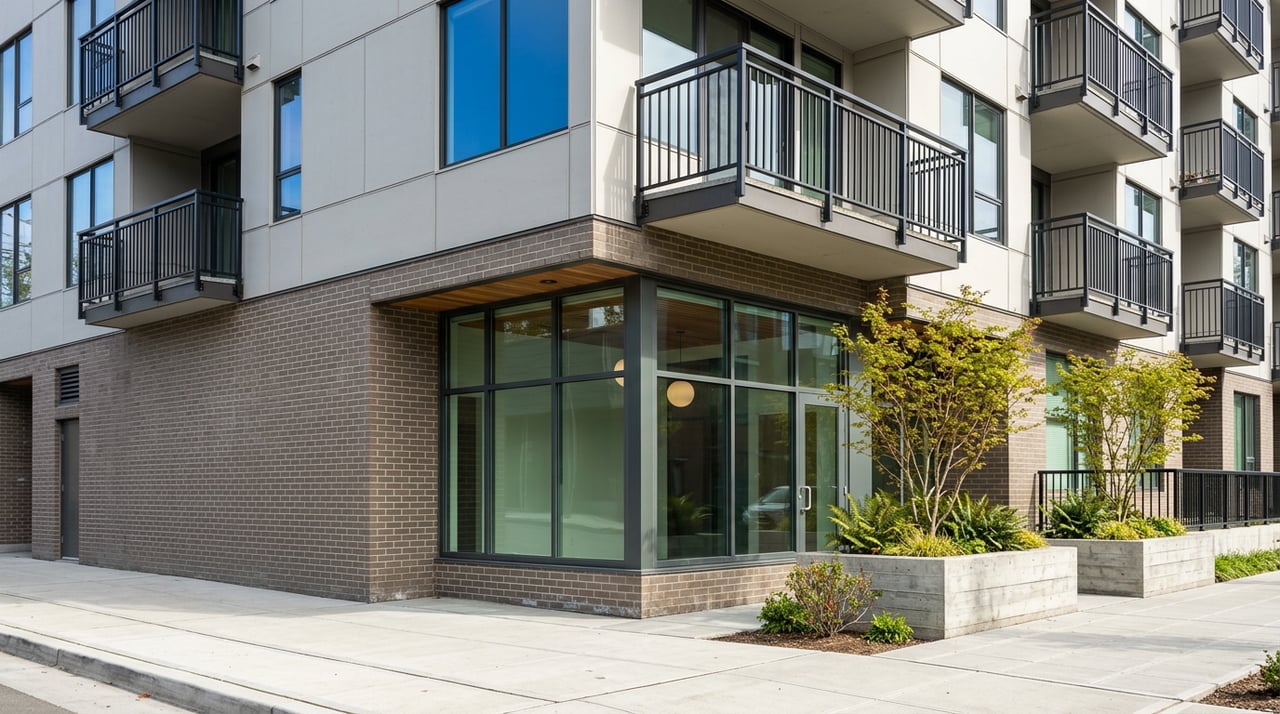
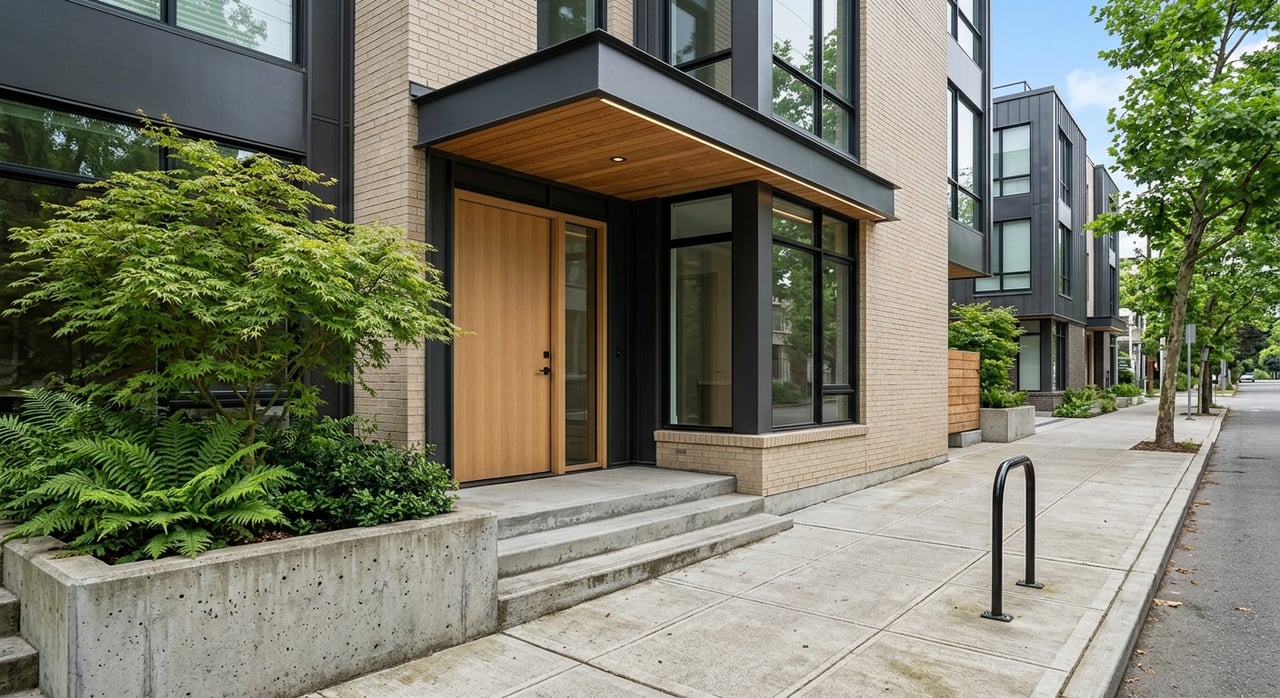
Wondering if a condo in NE Portland can anchor your investment plan for the next decade? You are not alone. With prices in a mid-range band and steady renter demand across close-in neighborhoods, this part of the city draws careful, long-term buyers. In this guide, you will learn what drives returns, what can quietly erode them, and how to underwrite a condo purchase at the building level so you protect your upside. Let’s dive in.
NE Portland market snapshot: 97218 today
If you are looking at 97218 and nearby NE corridors, you will find values in the low-to-mid $400,000s for typical homes, with a Zillow index around $460,050 as of late January 2026. Listing portals often show a mid-$400,000 median list price and a median rent near $2,250 per month. Provider methodologies differ, so use ranges instead of a single point estimate.
Across the region, vacancy rose after a wave of apartment completions in 2022 through 2024, then began tightening again. Market-trackers placed broader Portland multifamily vacancy around the mid single digits to low teens in 2025, with many citing about 7 to 7.5 percent in mid to late 2025. That implies rents are not surging across the board, but demand for 1 and 2 bedroom homes in close-in NE neighborhoods remains steady (regional vacancy context).
For rent comps, neighborhood snapshots in Sullivan’s Gulch, Lloyd-adjacent blocks, and Alberta-area streets often show 1 bedroom medians in the mid $1,400s and 2 bedrooms closer to $1,900 to $2,450, depending on unit size and walkability. Use current neighborhood data when you price your specific unit.
What can make NE condos work long term
Location and lifestyle do a lot of heavy lifting. Condos near transit, grocery, and daily amenities in corridors like Lloyd and Alberta tend to see consistent showing activity and a broad tenant base. For investors, that can translate to fewer marketing gaps between tenants.
Pricing also matters. Older midcentury towers near Lloyd and smaller infill condos near Alberta can trade at lower price-per-foot than the newest luxury product. If a building’s dues are reasonable and reserves are healthy, that lower basis can improve your yield potential.
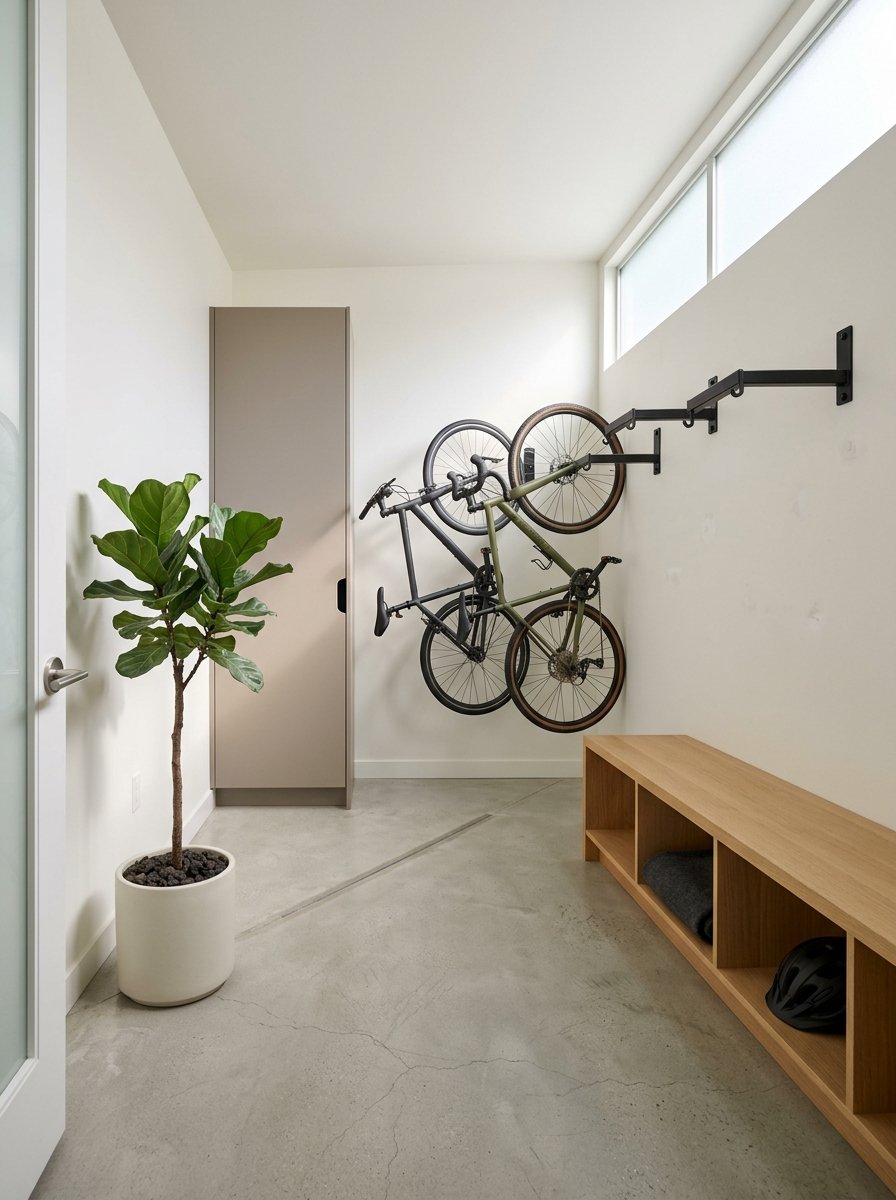
Finally, unit mix and size help. Well-laid-out 1 and 2 bedroom homes with secure parking or storage often attract longer tenures, which reduces friction costs over time.
Key risks that can change your outcome
Smart underwriting is about the rules and the building as much as the neighborhood. Put these at the center of your analysis:
- Oregon rent cap. Most units 15 years or older are limited to one increase every 12 months, with the 2026 maximum published at 9.5 percent for covered units. Plan your pro forma with that ceiling in mind and do not assume aggressive annual bumps (2026 rent increase ceiling).
- Portland renter relocation assistance. If you trigger certain tenant-impact events, including a rent increase of 10 percent or more in any 12-month period, you may owe a relocation payment and must follow specific notice rules. This changes the math on renovation-driven rent resets (city relocation rules).
- Short-term rental limits. Portland permits only accessory short-term rentals with strict permit types and residency requirements. Many condo projects also limit or prohibit STRs in their CC&Rs. Never assume STR income until you confirm both city rules and the building’s governing documents (ASTR permit overview).
- HOA reserve health. Oregon’s Condominium Act requires many associations to fund reserve accounts and maintain a reserve study and maintenance plan. Underfunded reserves and deferred exterior work can lead to special assessments that erase multiple years of cash flow (ORS 100.175 reserves requirement).
- Rental restrictions in CC&Rs. Some HOAs cap the share of rentable units or impose waitlists. Amendments related to rental limits often require high owner approval thresholds, so rules can be hard to change (ORS Chapter 100 overview).
- Financing and resale pool. Buildings with low owner-occupancy, litigation, or high delinquency may be ineligible for FHA/VA or some conventional loans. That can shrink your future buyer pool and extend your exit timeline (HUD condo approval framework).
Lloyd vs. Alberta-adjacent: Which fits your plan?
Lloyd corridor at a glance
Lloyd and Sullivan’s Gulch mix midcentury high-rises with later infill. Pricing often reflects the vintage, and older towers can offer entry points below newer luxury product. Rent snapshots commonly show 1 bedrooms in the mid $1,400s and 2 bedrooms around $1,900 to $2,000 in many cases.
These blocks deliver transit access and proximity to downtown, which supports steady leasing. The tradeoff is sensitivity to new supply and downtown performance. In some years, new apartments nearby have pressed on luxury occupancy, so stay price-disciplined and align your unit with the renter profile that values access and value.
Alberta-adjacent streets at a glance
Alberta Arts, Beaumont-Wilshire, and nearby streets include small multifamily, condo townhomes, and conversions. The walkable retail strip and neighborhood identity help drive consistent demand for smaller units.
Rents here often sit above many outlying NE areas, though usually below core Westside luxury corridors. If you purchase in a well-run building with fair dues, these neighborhood-driven dynamics can support resilient lease-up and renewal patterns over a long hold.
Run the numbers: a simple pro forma
Every building is different, so treat this as a baseline worksheet before you get into the HOA documents and real comps.
- Purchase price example: $380,000 for a mid-range NE condo.
- Market rent range for a 1 bedroom in NE corridors like Lloyd or Alberta-adjacent: about $1,400 to $2,200 per month, depending on size and location.
- If you underwrite at $1,800 per month, annual gross rent is $21,600.
- HOA dues example: $300 to $600 per month. If dues are $450, that is $5,400 per year.
- Taxes and insurance example: about 1.0 percent tax plus $900 insurance, or roughly $4,700 per year on a $380,000 purchase.
- Vacancy and reserves: model at least 5 percent vacancy and 6 to 8 percent for ongoing maintenance and turns.
Using those inputs, the rough net operating income before mortgage and management often falls in the low $8,000 to $11,000 per year range. That is about 2 to 3 percent on cost before financing. This is why entry price, HOA health, and features that lift rent, like secure parking or storage, can make or break your cash flow. Also remember Oregon allows only one rent increase per 12 months, and the annual ceiling for covered units can limit how fast you grow income.
Building-level checklist before you buy
Ask for these items early. They will help you avoid surprises and price your risk correctly.
- Governing documents. Declaration, CC&Rs, bylaws, and any addenda related to rental limits or waiting lists. Note amendment thresholds for rental rules (ORS Chapter 100).
- Financials and reserves. The latest annual budget, most recent quarterly financials, current reserve balance, and the reserve study and maintenance plan. Confirm that funding tracks the study and complies with Oregon’s reserve requirements (ORS 100.175).
- HOA meeting minutes. Request 12 to 24 months. Look for discussions of leaks, exterior envelope work, roof projects, elevator issues, insurance renewals, and any litigation.
- Insurance summary. Master policy coverage, earthquake or flood status, and deductible levels. Large deductibles can shift costs to owners after a claim.
- Owner-occupancy and rental counts. Also ask about FHA/VA eligibility and any recent denials. These factors influence both financing and resale demand (HUD condo guidance).
- Delinquency report. Identify the percentage of owners 30, 60, and 90-plus days late on dues. High delinquency is a red flag for cash stress and potential assessments.
- Capital projects. A list of planned and in-progress work with cost estimates and funding plans. Confirm whether a special assessment is scheduled or likely in the next 1 to 3 years.
- Building condition snapshot. Roof age, window and façade condition, moisture-intrusion history, mechanicals, boiler and HVAC age, and elevator status. Exterior systems are the most common drivers of large assessments in the Pacific Northwest.
Exit strategies to model from day one
- Hold as a rental for 5 to 10 years or more. Focus on mid-priced, well-managed buildings with solid reserves and permissive rental rules.
- Value-add for an owner-occupant exit. Target buildings with owner appeal and broad financing eligibility to keep days on market short when you sell.
- Consider STR only if allowed. Confirm both Portland’s permit rules and your building’s CC&Rs before you assume any short-term rental strategy is viable (ASTR permit types and rules).
So, are NE Portland condos a smart long-term play?
They can be, if you buy the right building and underwrite with discipline. The fundamentals support steady demand for well-located 1 and 2 bedroom homes near Lloyd and Alberta. At the same time, state rent caps, Portland’s relocation rules, and HOA reserve risk mean your margin of safety comes from careful document review, conservative rent assumptions, and setting aside capital for the unexpected.
If you want a second set of eyes on a building’s HOA health, rental rules, and financing profile, or you need help sourcing units with better yield potential, reach out to Erika Wrenn. With deep condo expertise and calm, detail-forward service, you will get clear guidance and a plan that fits your goals.
FAQs
What should I expect for 97218 condo cash flow in 2026?
- With a mid-range purchase price and typical NE rents, many condos pencil to roughly 2 to 3 percent cash-on-cost before financing, assuming market-level vacancy, realistic HOA dues, and standard taxes and insurance. Your exact return will hinge on the building’s dues and reserves, parking or storage income, and your entry price.
How do Oregon rent caps affect my long-term plan?
- Most covered units can see only one increase per 12 months, and the 2026 maximum is 9.5 percent for those units. This caps how fast you can grow income, so plan for moderate rent growth and prioritize buildings where the current rent is already close to market levels.
What Portland rules could add costs if I raise rent significantly?
- The city’s Mandatory Renter Relocation Assistance program can require a relocation payment if you raise rent 10 percent or more within a 12-month period, among other triggers. Always model these potential costs and follow the required notice timelines.
Which HOA documents matter most for investors?
- Start with the CC&Rs and bylaws for rental limits, the reserve study and maintenance plan for future capital needs, the current budget and reserve balance for cash health, and 12 to 24 months of meeting minutes for pending issues. Add the insurance summary, delinquency report, and any litigation disclosures.
Can I use FHA or VA financing when buying a condo as part of my strategy?
- It depends on the building’s eligibility. FHA and VA apply project-level criteria that include owner-occupancy, delinquencies, and litigation. Ineligible buildings can limit buyer pools when you sell, so check status early even if you use other financing today.
Are short-term rentals allowed in NE Portland condos?
- Only if both the City of Portland’s accessory short-term rental rules and your building’s CC&Rs permit them. City rules include residency requirements and limits on how many STRs a multi-unit building can host, so verify before you underwrite any STR income.