Inside Downtown Portland Luxury Condos & South Waterfront
April 2, 2026
April 2, 2026
Looking for luxury condo living in Portland’s urban core? Downtown and South Waterfront can both deliver the views, convenience, and full-service feel many buyers want, but they do it in different ways. If you are trying to decide which setting fits your lifestyle, this guide will help you compare the buildings, amenities, ownership costs, and neighborhood feel that shape this market. Let’s dive in.
In Downtown Portland and South Waterfront, luxury usually goes beyond square footage. Buyers often define it as a mix of location, views, service, and building quality. In this part of Portland, that can mean floor-to-ceiling glass, a concierge-attended lobby, deeded parking, river or skyline views, and a building with strong day-to-day convenience.
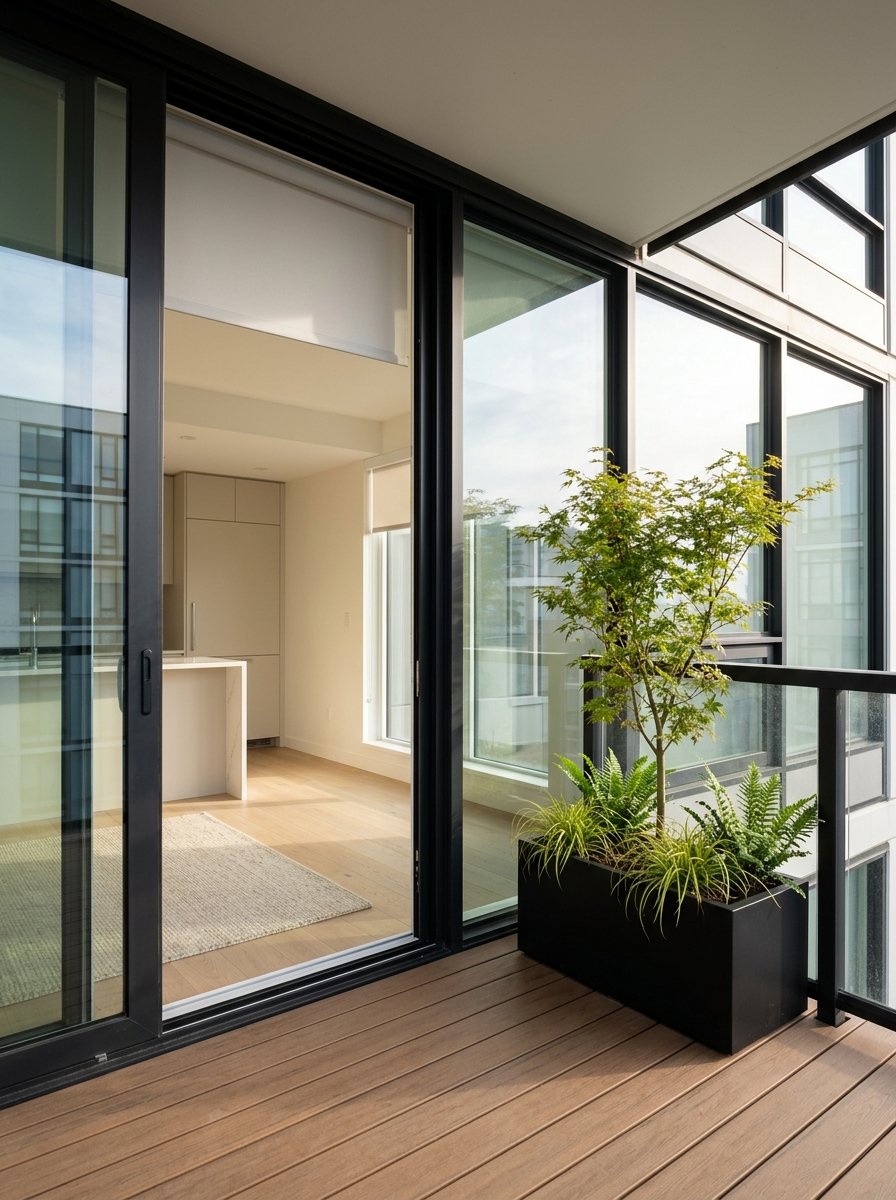
Views are a major part of the appeal. Depending on the building and orientation, you may find sightlines to the Willamette River, Ross Island, Mt. Hood, the West Hills, bridge corridors, or the city skyline. Current building and listing materials across the submarket consistently highlight panoramic windows, balconies, and terraces as premium features.
Interiors can also vary more than many buyers expect. Some homes offer updated kitchens with quartz or granite counters, hardwood floors, stainless steel appliances, gas cooking, and in-unit laundry, while others may reflect more original finishes. That is especially true in older established towers where one residence may be largely untouched and another may be fully renovated.
Choosing between these two areas often comes down to how you want to live day to day. Both offer walkability and access to transit, but their feel is distinct.
Downtown Portland is compact, walkable, and closely connected to many of the city’s cultural and civic anchors. You are near places like Portland Art Museum, Portland State University, Pioneer Courthouse Square, restaurants, hotels, shopping, and food carts. The Portland Streetcar also helps connect downtown to nearby neighborhoods and the east side.
If you want an established urban setting with a dense, energetic feel, downtown often checks that box. Many of its luxury towers place you close to museums, dining, and daily conveniences, which can be a major draw if you value a true in-town lifestyle.
South Waterfront has a different rhythm. According to city planning materials, it was designed as a mixed-use district with substantial residential development along the river, commercial activity near transit corridors, and more than one mile of river frontage.
The neighborhood is built around multimodal access, including the streetcar, bike and pedestrian routes, and the Portland Aerial Tram. South Waterfront Park adds year-round public river access, and the area is closely tied to OHSU through the tram connection. For many buyers, that translates to a setting that feels more modern, open, and waterfront-focused than the traditional downtown core.
Downtown’s condo scene includes both legacy luxury buildings and newer high-rises in the Cultural District. That mix can create a wider range of floor plans, finishes, and amenity styles.
Portland Plaza is one of the clearest examples of long-standing luxury condo living downtown. The building dates to 1973 and describes itself as the first Portland building designed exclusively as luxury condominium apartments. It occupies a full city block of residential-only living, which still feels distinctive in the urban core.
Amenities include 24/7 front desk concierge service, an on-site manager, a gym, swimming pool, library, meeting room with kitchen, and underground parking. The building also notes that interiors range from original designs to luxury remodels, so buyers should expect real variation from one unit to the next.
Eliot Tower is a 2006 tower in the Cultural District near Portland Art Museum and Portland State University. The Pacific Coast Architecture Database identifies it as an 18-story building with 223 units and LEED ND Silver status. Official building materials highlight an attended lobby, fitness center, library, and conference room.
Listing descriptions in the building often emphasize floor-to-ceiling windows, hardwood floors, stainless steel appliances, gas cooking, granite countertops, and streetcar access. For buyers who want a more modern downtown tower with a service-oriented feel, Eliot Tower is a strong example of what this pocket can offer.
Benson Tower shows another side of downtown luxury. Its appeal is tied to service, finishes, and convenience rather than sheer scale alone. The building’s official site highlights a fitness center, hot tub, resident lounge, outdoor courtyard, and on-site parking.
Current listings there commonly mention floor-to-ceiling windows, hardwood floors, quartz countertops, broad city views, and the secure-building features many condo buyers expect. It is a good reminder that luxury in this market is often about the total package, not just square footage.
South Waterfront’s luxury buildings are often known for newer construction, expansive glazing, LEED design, and a direct connection to the riverfront. If you want a more contemporary building profile, this neighborhood gives you several standout options.
Atwater Place is a 23-story LEED Gold glass tower completed in 2008. GBD Architects describes about 214 luxury condominium units, street-level retail, below-grade parking, riverfront placement, stepped balconies, and sweeping city, river, and mountain views.
Building details also point to concierge, security, a community room, outdoor grounds, BBQ areas, bocce, and three elevators. For buyers who want riverfront placement and a polished amenity package, Atwater Place is one of the neighborhood’s signature towers.
John Ross is the tallest condo tower in South Waterfront and one of Portland’s tallest residential buildings. GBD describes a 31-story point tower with 243 condominiums in the tower plus a four-story podium with 39 flats, as well as a public plaza, retail, and LEED Gold certification.
The building site highlights 24/7 lobby attendance, multiple high-speed elevators, outdoor dining and BBQ areas, and views of the Willamette River, Mt. Hood, and the Portland skyline. If your definition of luxury includes height, drama, and iconic skyline presence, John Ross often stands out.
The Meriwether is a two-tower project completed in 2007. Hoffman Construction describes a 245-unit condo complex with 21- and 24-story towers, townhomes, expansive glass, and broad views. The project also carries LEED Gold certification.
Current building materials describe features such as a community room, concierge service, and guest parking or a guest suite. The Meriwether is often part of the conversation for buyers who want strong views and a substantial amenity set in a well-known South Waterfront address.
Although it is technically riverfront downtown rather than South Waterfront, The Strand can be a helpful comparison point. Its site emphasizes a concierge-attended lobby, deeded garage parking, and direct access to riverfront trails, the marina, and Poet’s Beach.
What makes it useful in a search is that it shows how luxury can mean different things. Some buildings lean heavily on long amenity lists, while others focus more on location, service basics, and direct outdoor access.
One of the most important things to understand in this market is the age split in the condo stock. Portland Plaza dates to 1973, while many of the best-known Cultural District and South Waterfront towers were completed between 2006 and 2008.
That difference can shape your experience in a meaningful way. Older buildings may offer larger or more traditional floor plans and a wider spread in interior updates. Newer glass towers often emphasize energy performance, expansive windows, and a more contemporary amenity package.
Neither is automatically better. It depends on whether you are drawn to classic layouts and established buildings or prefer modern systems, newer finishes, and a more recent design vocabulary.
Luxury condo shopping works best when you compare more than finishes alone. Two homes at a similar price can deliver very different ownership experiences depending on the building.
Here are a few smart points to compare:
These details often shape long-term satisfaction just as much as the unit itself.
In Portland’s luxury condo market, monthly dues can be a major part of the ownership picture. That is not unusual for high-rise living, where fees often help cover common-area maintenance, shared amenities, reserves, and building operations.
Oregon law requires condominium boards to annually determine reserve needs by conducting or updating a reserve study and to review insurance coverage at least once a year. For associations with annual assessments above $75,000, the financial statement must also be reviewed by an independent Oregon CPA within 300 days after the fiscal year ends, according to ORS Chapter 100.
That framework helps explain why dues in this segment can vary widely. The research examples in this market ranged from about $435 per month in one Benson Tower example to $836 in one Meriwether example, $891 to $1,134 in Eliot Tower examples, $1,177 at Atwater Place, and roughly $317 to $1,395 in John Ross examples.
You should also plan for costs beyond the monthly HOA amount. Some buildings may charge move-in or move-out fees, and what is included in dues can differ from tower to tower. In one current John Ross example, the HOA covered commons, gas, hot water, insurance, exterior maintenance, management, sewer, trash, and water, which shows how bundled these fees can be.
If you are drawn to museums, restaurants, shopping, transit, and a more established city-center atmosphere, downtown may feel like the better fit. It offers a strong mix of legacy luxury buildings and newer high-rises, often within a compact and highly walkable setting.
If you prefer a newer district with river access, more recent towers, and strong transit connections to OHSU, South Waterfront may be the clearer match. Its buildings often emphasize glass, views, LEED design, and a waterfront lifestyle.
The right choice usually comes down to your daily routine, preferred building style, and how much you value things like concierge service, outdoor access, or a specific view line. In a market this building-specific, having a local guide who understands the differences from tower to tower can make the process much clearer.
If you are exploring Downtown or South Waterfront condos and want a thoughtful, building-by-building perspective, Erika Wrenn offers calm, high-touch guidance for buyers and sellers navigating Portland’s urban condo market.
Stay up to date on the latest real estate trends.
Get assistance in determining current property value, crafting a competitive offer, writing and negotiating a contract, and much more. Contact me today.