SE Portland Old Home or New Townhome? How to Choose
May 21, 2026
May 21, 2026
You can love the idea of a classic Southeast Portland house and still wonder if a newer townhome makes more sense. In 97206, that is a real decision, not just a style preference, because buyers are weighing character, maintenance, budget, and day-to-day comfort in a market that still moves quickly. If you are trying to choose between charm and simplicity, this guide will help you compare the tradeoffs in a practical way. Let’s dive in.
In 97206, buyers are shopping in a price-sensitive and condition-sensitive market. Redfin reports a March 2026 median sale price of $456,500, about four offers per home on average, and a median of 19.5 days on market. Realtor.com also shows active inventory in the area, which means you may have options, but you still need to move with a clear plan.
This part of Southeast Portland includes neighborhoods and housing patterns that appeal to very different buyers. Foster-Powell, for example, is noted by the City of Portland for its relatively affordable housing, while inner Southeast also draws people to established residential blocks, mature streetscapes, and a more connected street grid. That mix is part of why the classic house versus newer townhome question shows up so often here.
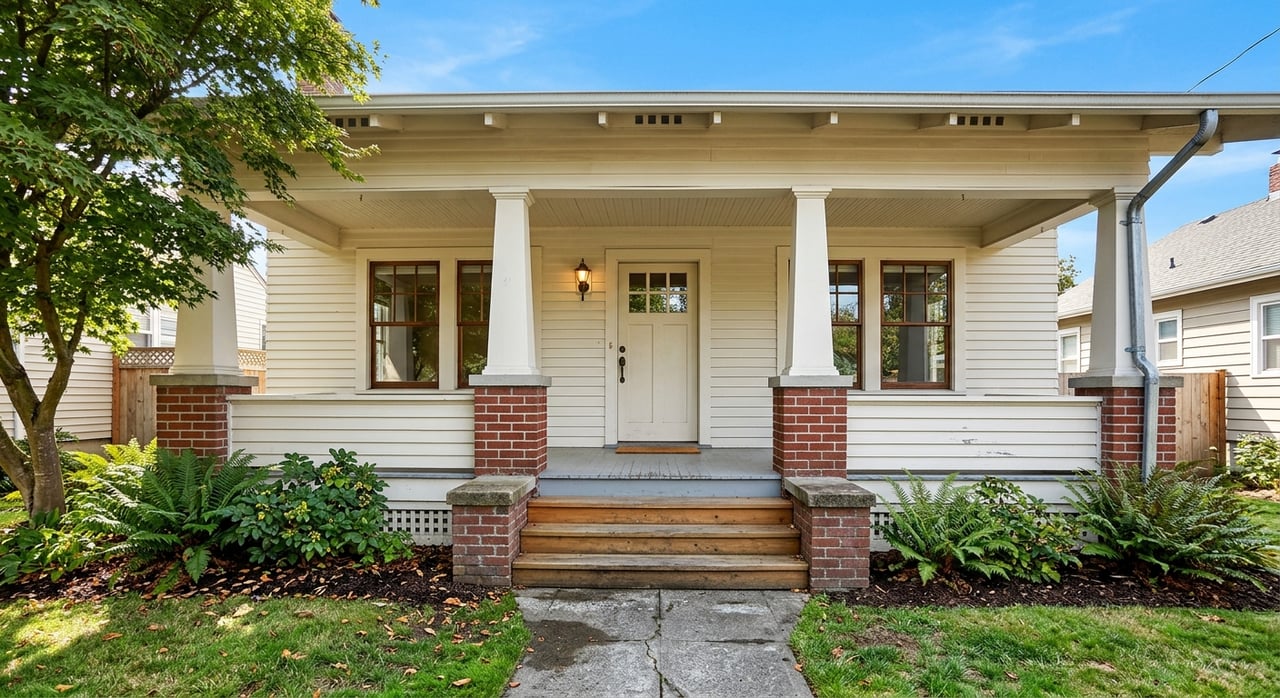
Many older homes in inner Southeast Portland reflect the city’s streetcar-era growth. Portland’s older neighborhoods developed along street rail lines, and that history still shapes how these blocks feel today. You can often see it in the detached homes, deeper lots, and established residential pattern.
For many buyers, the appeal is easy to understand. A classic house often offers more separation from neighbors, more private outdoor space, and architectural details that feel hard to replicate in newer construction. If you are drawn to homes with a strong sense of street presence and original character, this can be the option that feels most personal.
Older neighborhood layouts also tend to create a strong sense of place. In close-in Southeast, buyers often respond to walkable blocks, mature trees, and homes that feel tied to the history of the area. That does not make one choice better than the other, but it does explain why detached houses continue to hold such strong emotional pull.
Charm is real, but so is maintenance. Older homes often have less insulation than homes built today, according to the U.S. Department of Energy. That can affect comfort, utility costs, and the amount of work needed after you move in.
Windows are a big part of that equation. DOE says windows account for about 25% to 30% of residential heating and cooling energy use. In an older house, drafty or aging windows can make a home feel less comfortable, even if the layout and architecture are exactly what you want.
Moisture is another issue to take seriously. DOE explains that air movement accounts for more than 98% of water-vapor movement in building cavities, which is why air sealing matters so much. For you as a buyer, that means paying close attention to the roof, gutters, siding, attic, crawlspace, windows, and any signs that previous repairs were more cosmetic than complete.
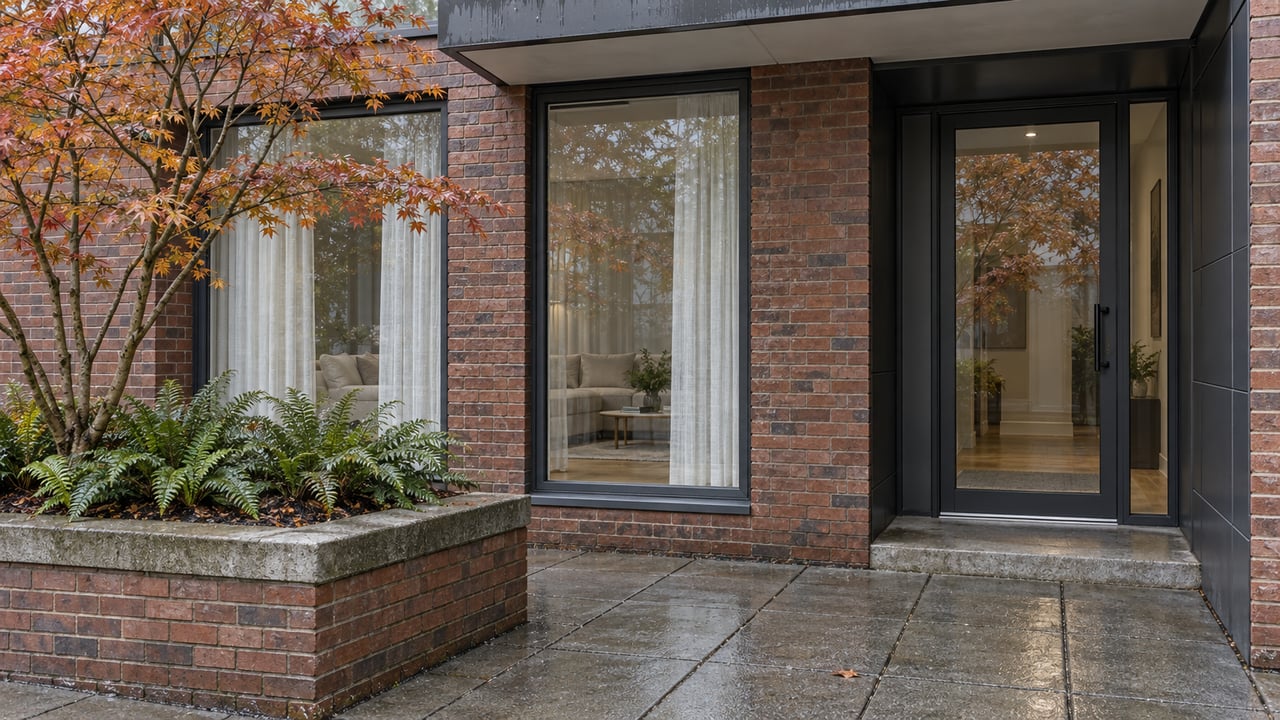
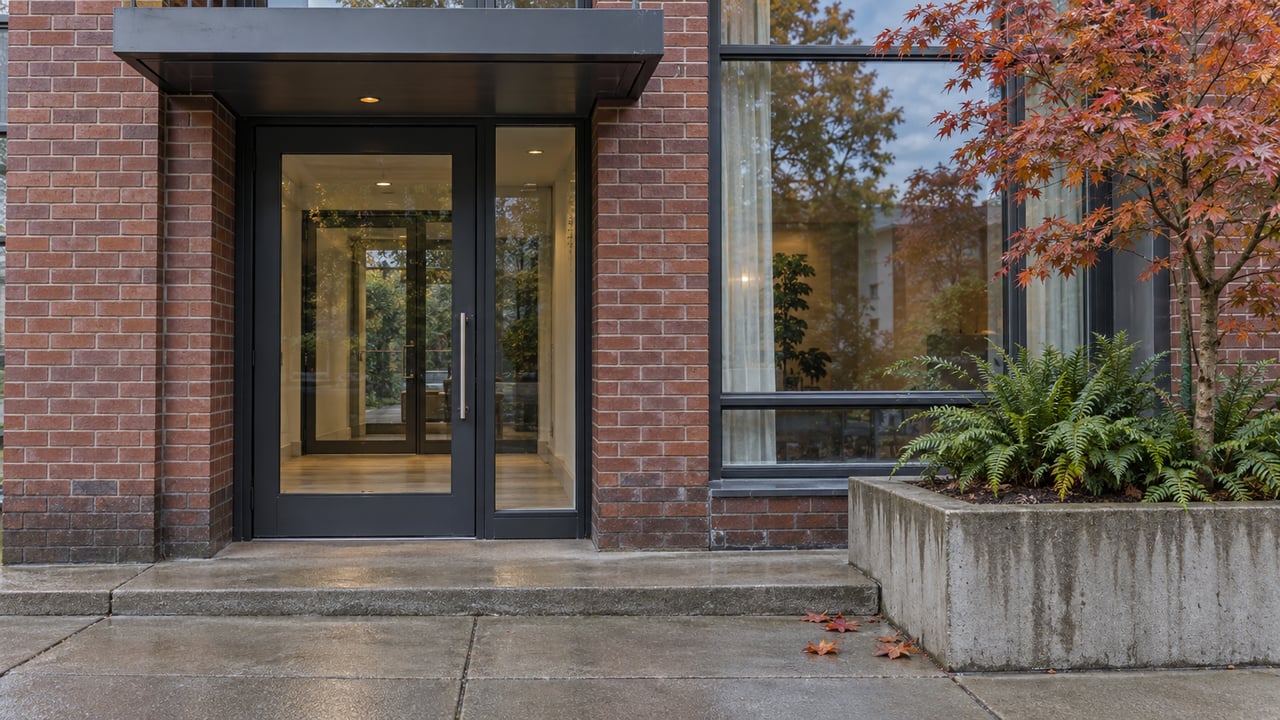
A newer townhome often offers a more predictable starting point. Instead of taking on years of deferred maintenance, you are usually buying newer systems, newer materials, and a home built to a more current efficiency standard. That can make the first few years of ownership feel more manageable.
In Oregon, the 2023 Residential Specialty Code became mandatory on April 1, 2024. The code includes residential energy provisions for insulation, equipment, windows, and lighting, and state compliance resources also address balanced whole-house ventilation for new dwellings. In practical terms, that gives newer construction a stronger efficiency baseline than most early-20th-century homes.
That does not mean every new townhome is perfect. It does mean that many buyers appreciate the lower-maintenance lifestyle, especially if they want to spend less time coordinating repairs and more time enjoying the neighborhood. If you value simplicity, that can be a major advantage.
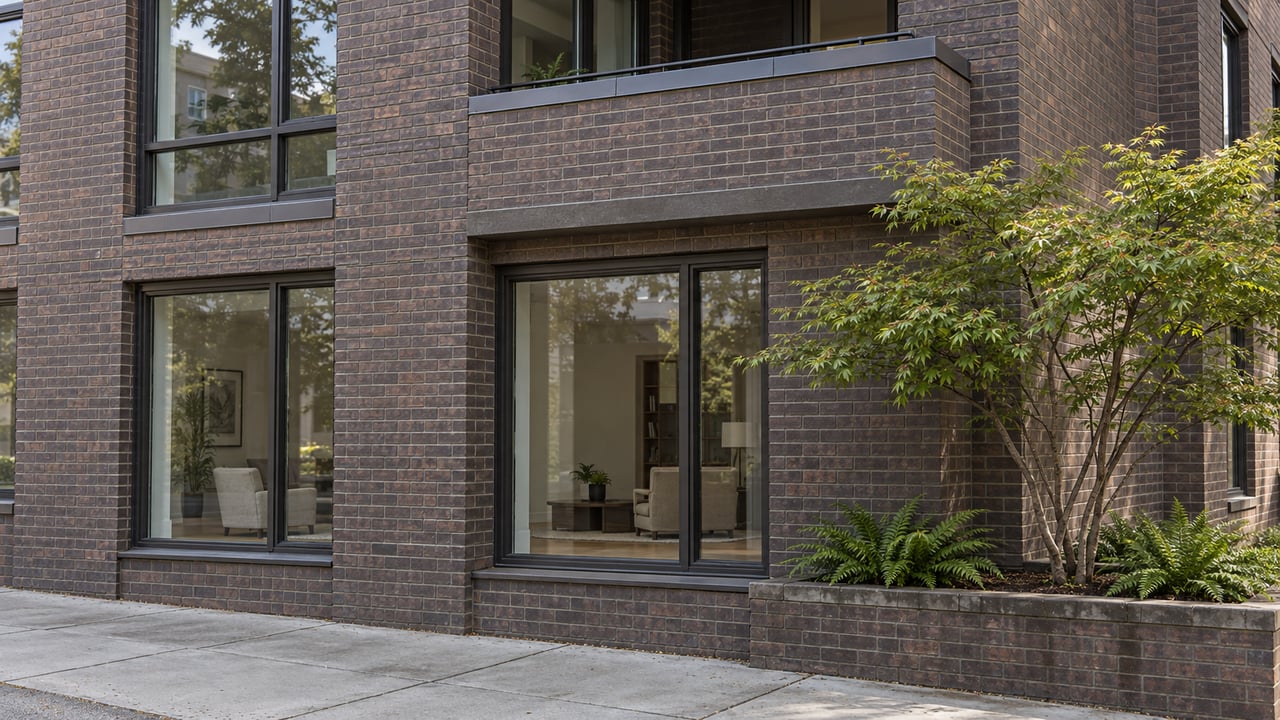
The biggest tradeoff is usually space and privacy. Portland’s residential infill rules allow multiple homes on one lot, with floor-area limits designed to keep new development compatible with surrounding areas. As a result, many newer townhomes have less private outdoor space and closer proximity to neighboring units than a detached house.
That more compact footprint can still work very well for the right buyer. You may have less yard to maintain, fewer exterior projects, and a layout that supports a more streamlined lifestyle. But if outdoor space, separation, or a larger lot is high on your list, this is where a townhome may feel like a compromise.
You also need to review shared costs carefully. If the property is part of a common-interest community, recurring dues and shared-component costs can affect your monthly budget. Before you commit, make sure you understand what the HOA covers and what remains your responsibility.
A smart decision starts by separating sticker price from ownership cost. Portland city homeowners with a mortgage had a median selected monthly owner cost of $2,559 in 2020 to 2024 ACS data from the Census Bureau. While that figure is not the same as a current mortgage payment in 97206, it is a useful reminder that ownership costs go well beyond principal and interest.
For a classic house, your budget should include likely inspection items, energy upgrades, and moisture-related repairs. Even a beautiful older home may need work that does not show up in listing photos. If you stretch for the purchase price and leave no repair reserve, the home can quickly feel more stressful than charming.
For a newer townhome, your monthly picture may be more stable, but it is still not simple. HOA dues, shared maintenance, and any future community costs should be part of your math from the beginning. A lower-maintenance home still comes with ongoing ownership obligations.
If you are leaning toward an older house, focus on the systems that affect comfort and durability first. Cosmetics are easier to change later. The more important question is whether the home gives you a solid starting point.
Here are a few areas worth extra attention:
Oregon’s Home Energy Scoring program can also be useful when you want a clearer picture of likely utility costs and upgrade priorities. The assessment looks at air leaks, insulation, windows and doors, heating and cooling systems, and lighting. For buyers comparing homes with very different ages and conditions, that can help you make a more grounded decision.
If you are leaning toward a townhome, focus less on charm and more on fit. The question is not just whether it is newer. The question is whether the layout, shared structure, and ownership terms support the way you want to live.
As you compare options, look closely at:
This is also where design-conscious buyers tend to get more selective. A newer townhome may check the maintenance box, but the best ones also feel bright, efficient, and easy to live in every day. If it feels cramped or compromises too much on privacy, the convenience may not be enough.
If you are stuck, it helps to come back to a few core priorities. In 97206, the right answer often comes down to how you want to spend your time, money, and energy after closing.
Choose a classic Southeast Portland house if you want:
Choose a newer townhome if you want:
In this market, speed matters, but clarity matters more. When homes are selling in about 20 days and averaging roughly four offers, buyers benefit from knowing their repair budget and lifestyle priorities before they write an offer. That kind of preparation can help you act decisively without feeling rushed.
If you want help comparing a classic city house to a newer townhome in Southeast Portland, Erika Wrenn offers calm, tailored guidance that keeps the process focused, strategic, and low-pressure.
Stay up to date on the latest real estate trends.
Get assistance in determining current property value, crafting a competitive offer, writing and negotiating a contract, and much more. Contact me today.