Portland Heights vs Downtown: Which View Home Fits?
May 28, 2026
May 28, 2026
Wondering whether your next Portland view home should sit above the city or right in the middle of it? That choice often comes down to more than the view itself. You are really choosing how you want to live day to day, from how you move around to how much privacy, maintenance, and energy you want around you. If you are weighing Portland Heights against Downtown Portland, this guide will help you compare the lifestyle trade-offs and decide which setting fits you best. Let’s dive in.
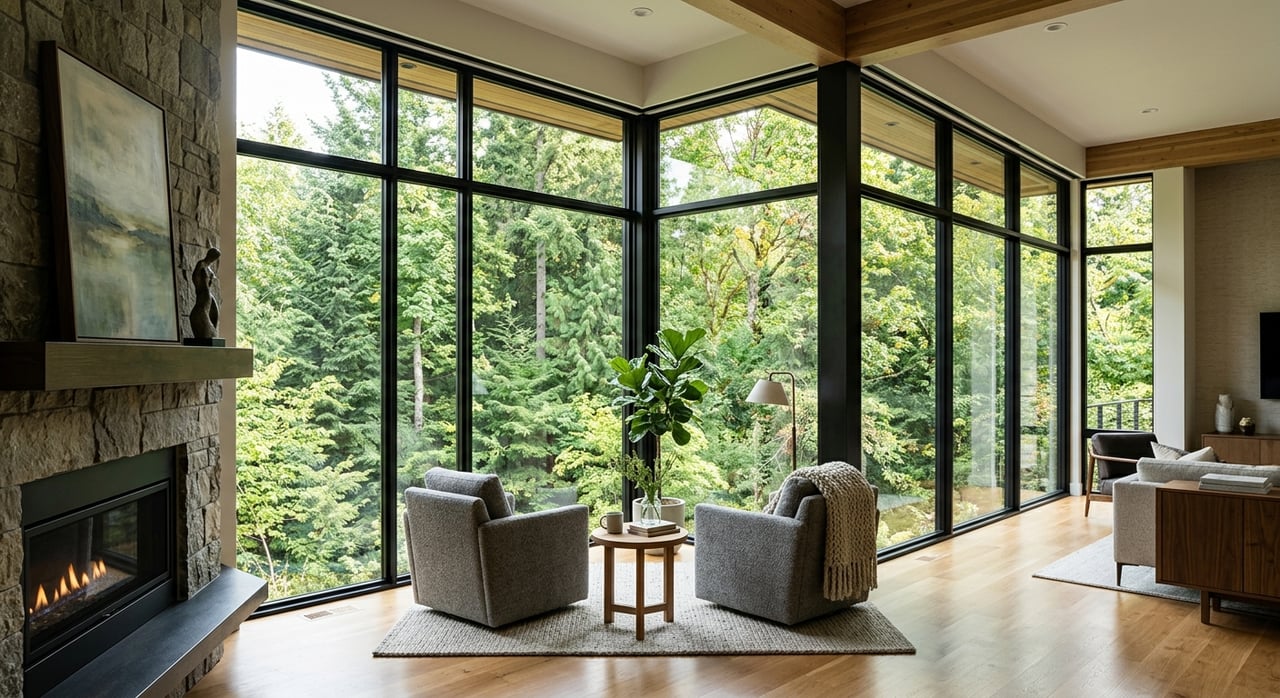
If you are focused on a classic elevated view-home experience, Portland Heights has the stronger case. Portland Heights is part of Southwest Hills, which sits on the Tualatin Mountains above Goose Hollow and Downtown. The city highlights Southwest Hills for its elevation, and nearby Council Crest Park reaches 1,073 feet with 180-degree views of five Cascade peaks.
That setting gives Portland Heights a more residential, tucked-away feel. Views here are often tied to topography, lot position, and hillside orientation. In practical terms, you are choosing a home where height and privacy tend to be part of the package.
Downtown offers a different kind of visual appeal. Instead of hillside panoramas, the experience is more urban and immediate, with skyline perspectives, riverfront access, and a front-row seat to Portland’s compact core. The city describes Downtown as a dense, connected center shaped by walkable blocks, public transportation, museums, restaurants, shopping, hotels, and major public spaces.
Portland Heights is the better fit if you want your view home to feel like a retreat. Southwest Hills has lower density than Downtown, with about 2,900 people per square mile compared with 15,029 per square mile Downtown. It also has more tree canopy, at 58% versus 14%, which supports a greener and more buffered environment.
The ownership pattern points in the same direction. In Southwest Hills, 63% of homes are owner-occupied, compared with 18% Downtown. That data suggests a more settled, private-house market in Portland Heights, while Downtown leans much more toward a multi-unit, urban living environment.
Portland Heights also includes neighborhood green space that supports daily livability. Portland Heights Park offers 5.08 acres with fields, courts, a playground, and both paved and unpaved paths. If you picture a view home with a quieter rhythm and more separation from the city below, this side of the comparison may feel more aligned.
If your ideal view home comes with easier access to errands, dining, transit, and cultural spots, Downtown stands out. Portland’s walking routes through Downtown connect places like Powell’s, Pioneer Courthouse Square, and Tom McCall Waterfront Park, and they are designed to connect people back to transit. That makes the area especially appealing if you want your daily routine to happen mostly on foot.
Transit access is another major advantage Downtown. TriMet notes that many bus lines connect with MAX Light Rail, Portland Streetcar, and the Portland Aerial Tram. For buyers who value spontaneous, car-light movement, Downtown offers a more seamless setup.
Portland Heights does have transit access, but it is more limited and commute-oriented. Service in the area includes Line 51-Vista/Sunset, Line 18-Hillside, and Line 12-Barbur/Sandy Blvd, with some routes focused on weekday rush-hour patterns. That means Portland Heights can work well if you are comfortable planning around hills, schedules, and occasional driving.
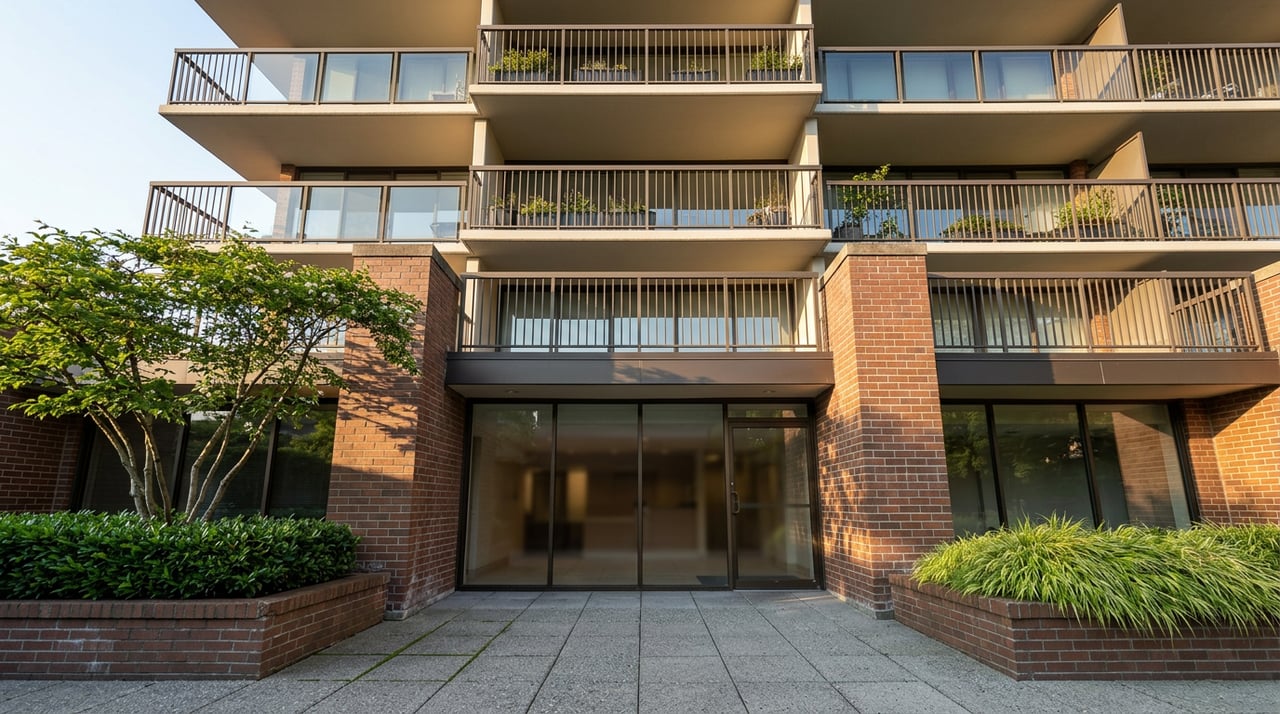
The biggest practical difference may be the kind of home you want to own. Portland Heights more often aligns with private hillside homes in a residential setting. Downtown more often aligns with condos or other multi-unit homes in building-managed environments.
That matters because a view home is not just about the windows. It is also about upkeep, access, and how much of the property you want to manage yourself. In Portland Heights, the hilly topography can bring stairs, retaining walls, and elevation-related challenges that are part of hillside living.
The city’s Southwest Urban Trails Plan describes Southwest Portland as hilly and circuitous, with six of seven urban trail routes involving stairs and major elevation changes. The Portland Heights and Council Crest routes gain more than 900 feet. Nearby historic district guidance also points to elevated lots, shallow steps, retaining walls, and efforts to preserve views and topography.
Downtown usually offers a lower-friction ownership experience for buyers who want more lock-and-leave convenience. If you prefer a building-managed setting and less exterior maintenance, Downtown may feel simpler. That is one reason many downsizers and urban professionals look first at the central core.
The city data shows clear differences between these two markets. In Southwest Hills, the median home value is $827,872. Downtown’s median home value is $469,800.
That gap does not mean one is automatically better than the other. It means you are often comparing different products, different levels of privacy, and different ways of living. Portland Heights may offer more of the classic view-home feel, while Downtown may offer a more accessible entry point into a view-oriented urban property.
Vacancy rates also differ. Downtown reports a 14.8% vacancy rate, compared with 7.0% in Southwest Hills. Paired with the density and ownership data, that reinforces the idea that Downtown is more transient and multi-unit, while Portland Heights tends to feel more settled and owner-oriented.
Portland Heights often appeals to buyers who want space, privacy, and a more established residential setting. Southwest Hills reports an average household size of 2.5, compared with 1.4 Downtown. It also reports 28% of households with children, compared with 2% Downtown.
Those numbers do not define who belongs in either area, but they do help show how each location functions. If you want room to spread out, a quieter setting, and a home that feels set apart from the city, Portland Heights may be the better fit. It can also make sense for move-up buyers who want a view without giving up the feel of a residential neighborhood.
If schools are part of your move, Portland Public Schools says each K-12 student has a neighborhood school based on home address. Because boundaries depend on the specific property, you should verify any address directly in the district’s School Finder rather than making assumptions based on neighborhood name alone.
Downtown often makes the most sense for downsizers, urban professionals, and buyers who want convenience built into the location. The compact grid, stronger transit connections, and easier walking access support a lifestyle where you can step out your door and get where you need to go quickly. If your priorities include restaurants, shopping, waterfront access, and cultural destinations, Downtown keeps those close.
The area also has a more mobile resident profile. The city reports that 24% of Downtown residents lived elsewhere in Portland 12 months earlier, compared with 8% in Southwest Hills. That suggests Downtown may be a more natural fit for buyers who are comfortable with change, flexibility, and a more dynamic urban pace.
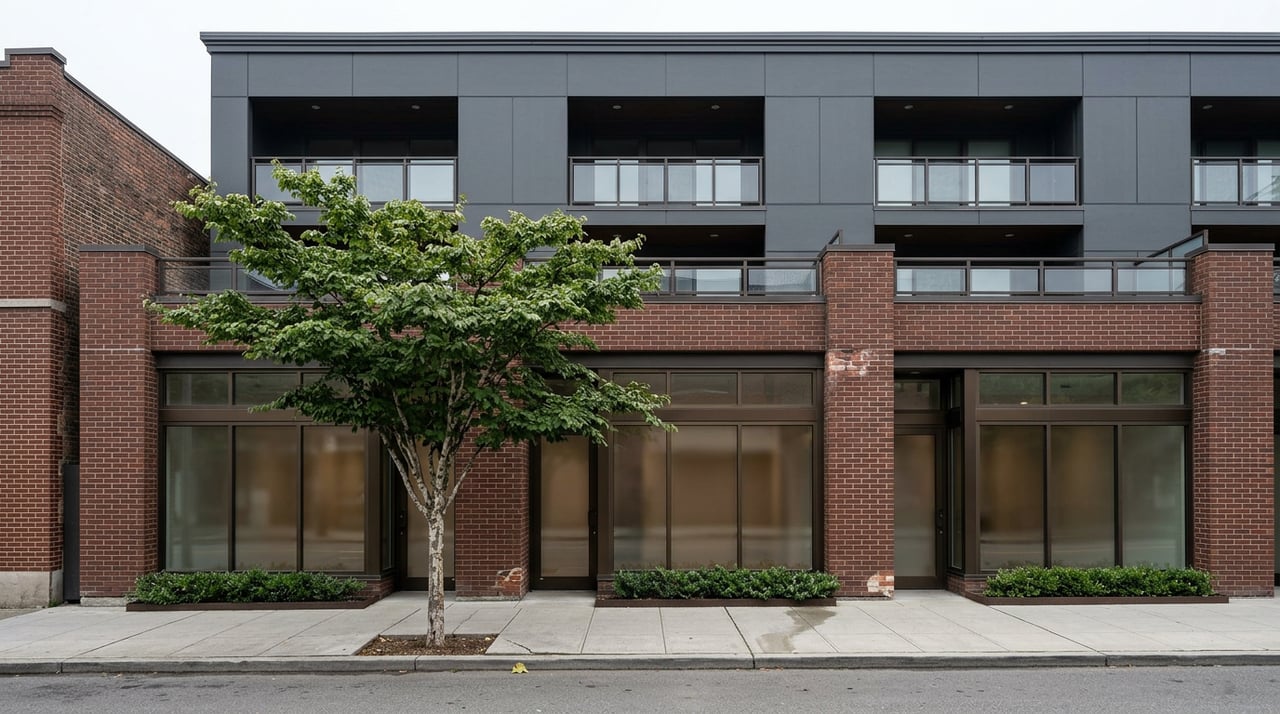
For many buyers, especially those drawn to condos, lofts, townhomes, and city houses, Downtown checks the boxes for lower-maintenance living and immediate access. If you want the view to come with a true city lifestyle, this may be where your search gets more focused.
When you compare Portland Heights and Downtown, it helps to get honest about how you want your home to function every day. A beautiful view can mean very different things depending on the setting around it.
Ask yourself:
Your answers will usually make the right choice clearer.
There is no universal winner between Portland Heights and Downtown Portland. Portland Heights offers elevation, privacy, tree canopy, and a more classic residential view-home setting. Downtown offers density, convenience, transit, and a more vertical, amenity-rich urban lifestyle.
If you are deciding between the two, the smartest next step is not just comparing listings. It is comparing your routines, priorities, and tolerance for trade-offs. The best view home is the one that supports the way you actually want to live.
If you want help narrowing the search and understanding which urban Portland setting truly fits your goals, Erika Wrenn offers thoughtful, high-touch guidance for buyers and sellers navigating Portland’s condo, loft, townhome, and city-house market.
Stay up to date on the latest real estate trends.
Get assistance in determining current property value, crafting a competitive offer, writing and negotiating a contract, and much more. Contact me today.