Northwest Portland vs Pearl Condos: How to Choose
June 18, 2026
June 18, 2026
If you are torn between Northwest Portland and the Pearl District, you are not alone. Both areas offer walkable condo living, strong neighborhood identity, and a wide range of buildings, but they do not always mean the same thing on every map or search portal. This guide will help you compare pricing, lifestyle, building types, parks, and day-to-day tradeoffs so you can focus on the condo market that fits you best. Let’s dive in.
One of the biggest challenges in comparing these two condo markets is geography. The Pearl District is a distinct neighborhood, while Northwest Portland is often used as a broader label that can include the Pearl District, Northwest/Nob Hill, Slabtown, and Old Town Chinatown.
That matters because the numbers can change depending on which boundary is being used. If you are comparing listings online, you may think you are looking at one market when you are actually seeing several submarkets grouped together.
Right now, the Pearl District shows 137 condos for sale with a median listing price of $429K. Broader Northwest Portland shows 382 condos for sale with a median listing price of $399K.
Days on market are fairly similar in both areas at about 93 to 94 days, and each market is averaging about one offer. On the surface, that suggests similar pace, but the inventory mix is different enough that your experience as a buyer can feel very different from one neighborhood to the next.
If you narrow the search from broad Northwest Portland to the Northwest District, the numbers shift again. That submarket shows 68 condos for sale with a median listing price of $323K.
This is a good reminder that neighborhood labels can shape the pricing story. A broader Northwest Portland search may include higher-priced buildings and a wider housing mix, while a tighter Northwest District search can show a different entry point.
Median list price is helpful, but it does not tell the whole story. In both the Pearl and Northwest Portland, active listings span from more accessible entry points to luxury homes above $1M.
Current listings suggest the Pearl includes compact units and lower-entry lofts in the high-$200Ks, alongside upscale residences in newer towers. Northwest Portland and the Northwest District also show a wide spread, with more options under $500K in the current inventory.
If you only compare one headline number, you can miss the real story. In condo shopping, building type, HOA dues, parking, storage, and included utilities can make two similarly priced homes feel very different in value.
That is why an apples-to-apples search usually works better at the building and block level. In these neighborhoods, the right fit often comes down to a specific property type, not just the neighborhood name.
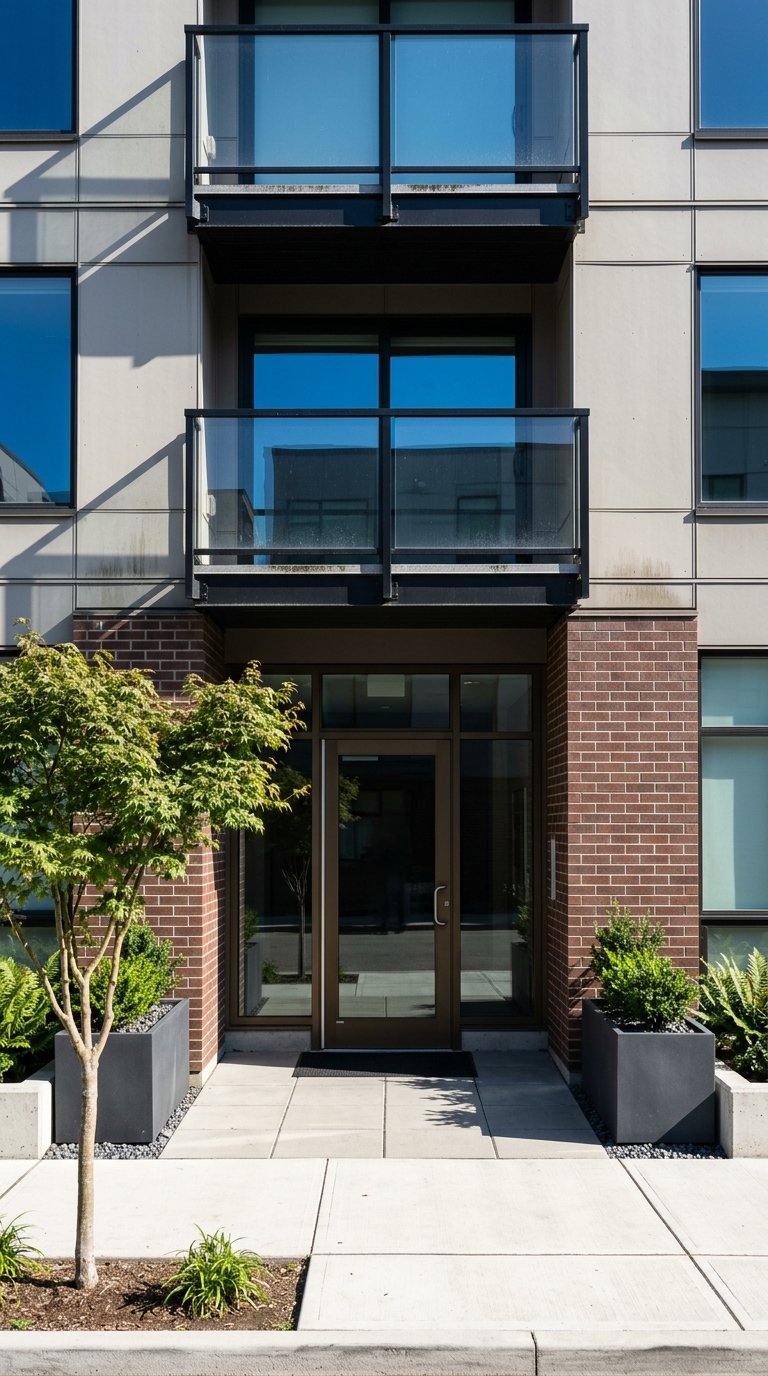
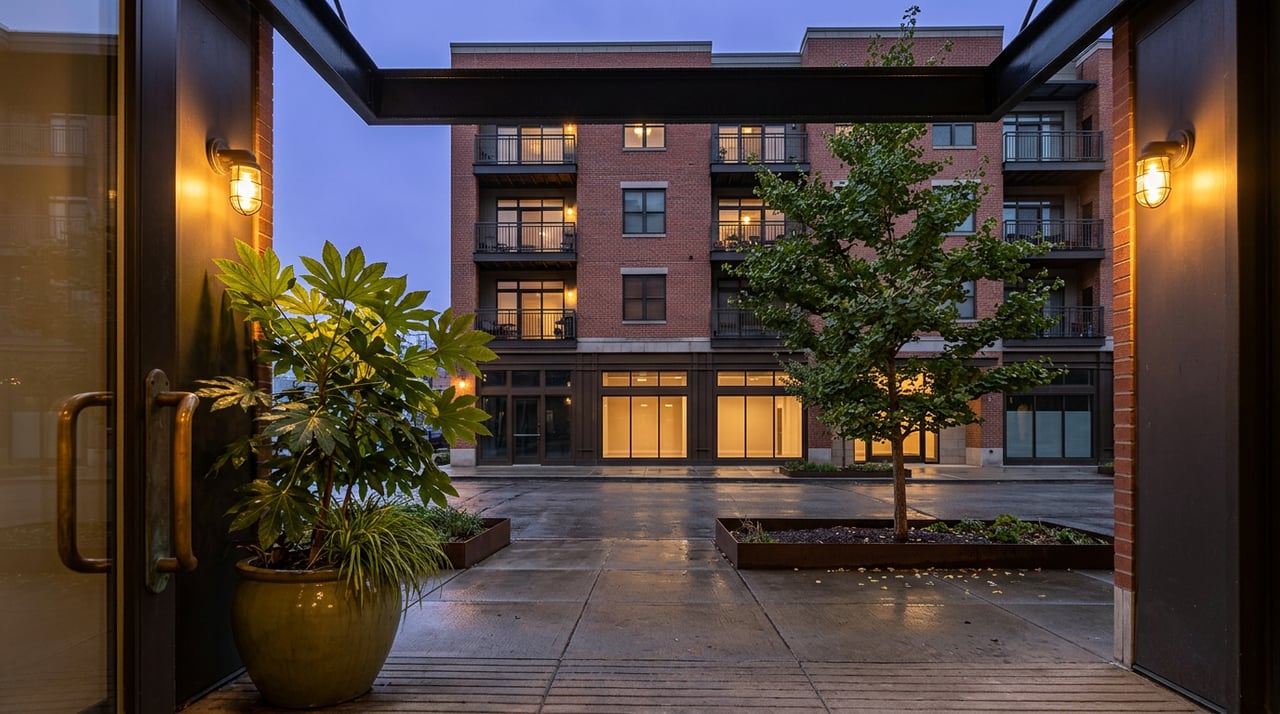
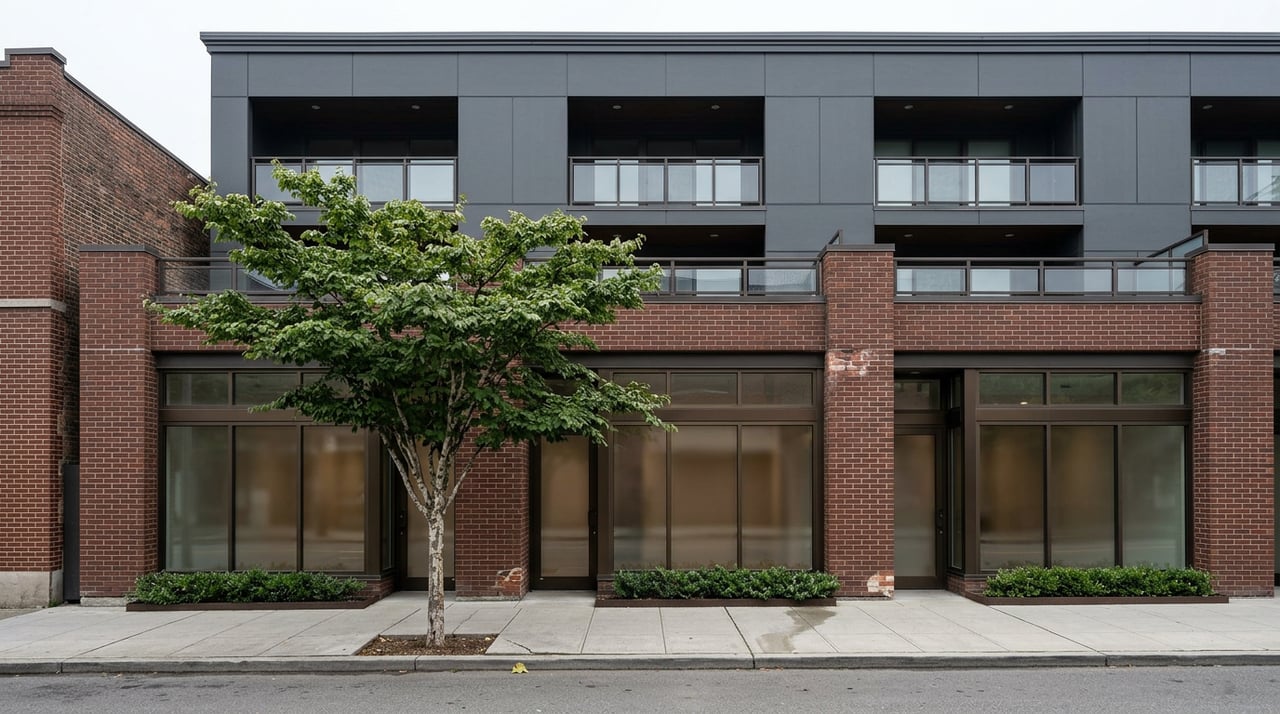
The Pearl District is closely tied to its warehouse past. That history still shows up in the condo inventory today through warehouse conversions, exposed brick, concrete floors, and high ceilings.
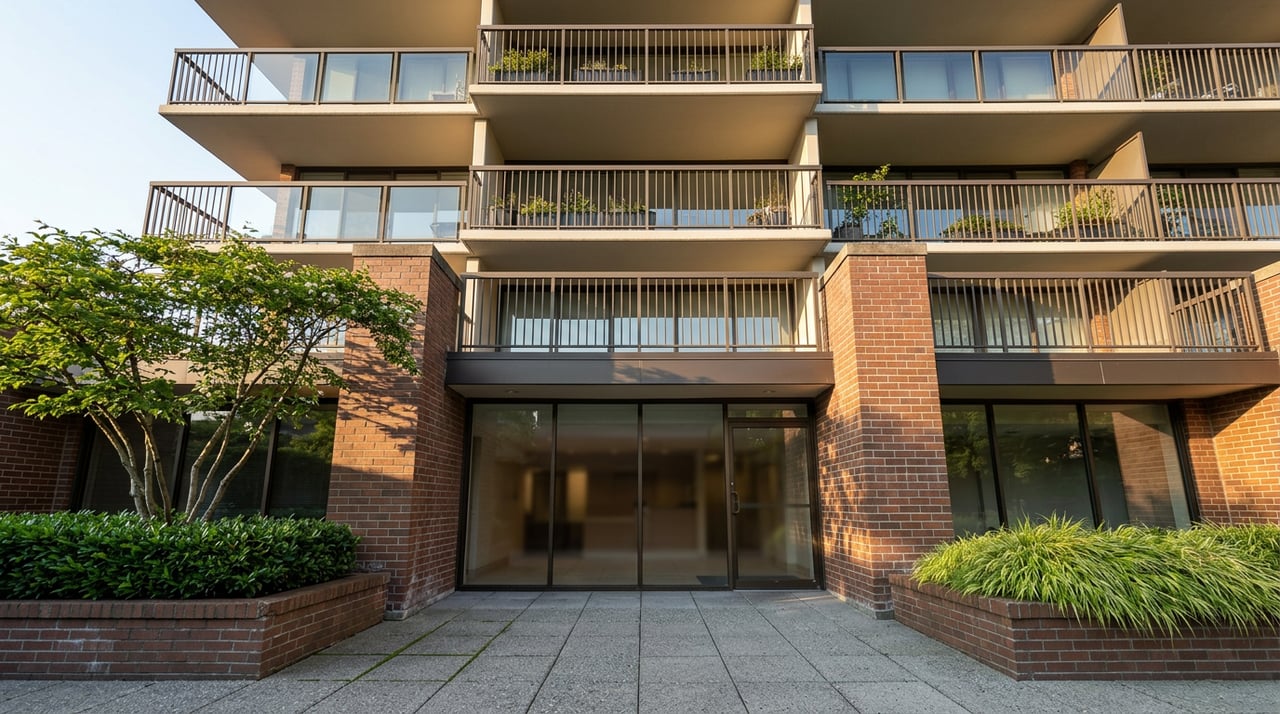
You will also find newer LEED-era towers and more contemporary high-rise living. In practical terms, the Pearl often feels like a choice between loft character and polished tower living, with a strong urban backdrop either way.
If you want a dense urban setting with a highly walkable routine, the Pearl tends to stand out. The neighborhood is known for mixed-use development, human-scale design, and a city-forward feel that puts restaurants, parks, and daily errands close at hand.
For many buyers, that creates a very specific lifestyle. You may trade a little quiet or green space for convenience, energy, and a stronger live-near-everything feel.
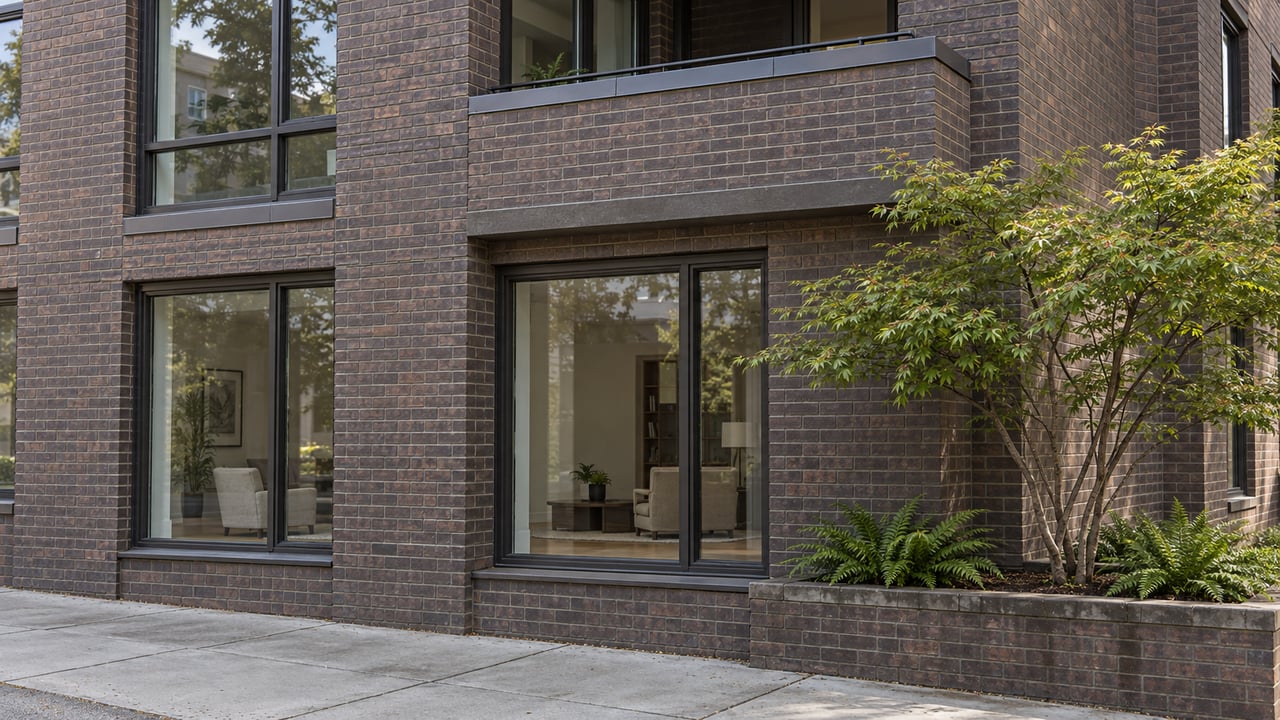
Northwest Portland has a broader residential personality. Depending on the exact pocket, you may see boutique condos, classic brick walk-ups, garden-level homes, townhouse-style residences, and buildings with more historic character.
Travel Portland describes Northwest/Nob Hill with repurposed Victorian homes and Old Portland charm, and that texture carries into the condo market. Compared with the Pearl, the built environment can feel a bit more varied and a little less tower-focused.
Northwest District often reads as urban, but softer around the edges. You still get strong access to shops, dining, and services, yet the housing mix can feel more residential and less vertical.
For some buyers, that balance is the draw. You can stay close to the core while leaning into boutique buildings, tree-lined blocks, and easier access to larger park space.
Both neighborhoods perform well if you want to live with less car dependence. The Pearl has a Walk Score of 98, a transit score of 86, and a bike score of 98, making it the most walkable neighborhood in Portland by that measure.
Northwest District is also excellent, with a Walk Score of 93, transit at 65, and biking at 90. It ranks sixth in Portland, which still puts it in very strong company for urban living.
The Pearl has the denser concentration of restaurants, bars, and coffee shops, with about 343 in the neighborhood. Northwest District shows about 216.
That does not mean one area is better for everyone. It means the Pearl tends to deliver a more intense version of city convenience, while Northwest can offer a slightly calmer mix without giving up much day-to-day access.
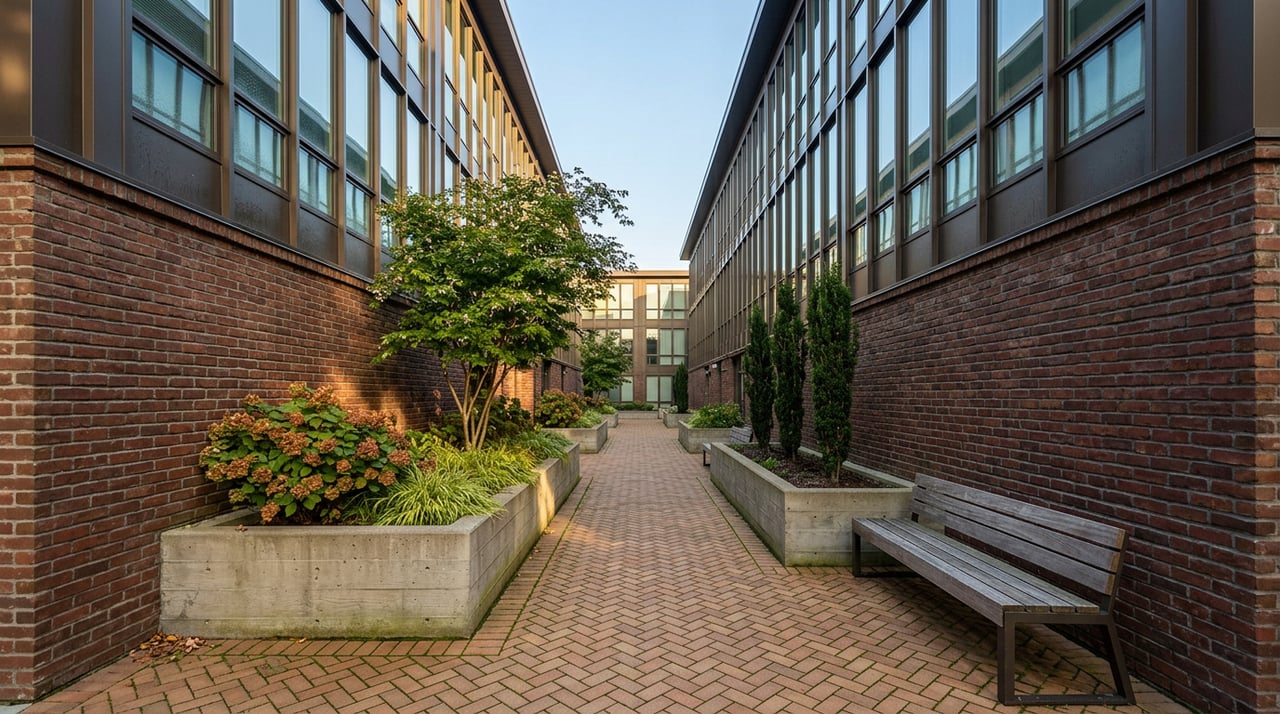
If parks matter to you, this is one of the more useful lifestyle differences. The Pearl is known for a dense network of smaller urban parks, including Jamison Square, Tanner Springs Park, North Park Blocks, Couch Park, and The Fields Park.
Tanner Springs stands out for its native plants, pond, and boardwalk, while The Fields recently reopened its grass oval after restoration. These spaces support the Pearl’s compact, walkable, urban rhythm.
Northwest Portland offers strong neighborhood park access too, but with a different scale. Wallace Park is a 5.38-acre neighborhood park, and Forest Park adds access to 5,200 acres and more than 80 miles of trails.
If you want larger green space nearby, Northwest Portland has a real advantage. That can matter if your ideal routine includes longer walks, trail access, or more room to spread out outdoors.
Even in walkable neighborhoods, parking can shape your condo experience. Portland’s Northwest Parking District includes both paid hourly parking and permit parking, and NW 21st and NW 23rd are pay-to-park only in the main commercial corridors.
If you own a car, this is worth thinking through early. A condo with deeded parking, easier guest parking, or better storage may be more valuable to you than a lower list price alone.
HOA dues can vary sharply from building to building. Current listings in the Pearl and Northwest District show examples ranging from about $470 to $930.
Those differences often reflect building age, amenities, utility coverage, elevator access, and maintenance needs. Some Northwest listings also note HOA coverage for water, sewer, garbage, cable, internet, or gas.
When you compare condos, look at more than the monthly dues. Ask what is included and how the building functions day to day.
A useful checklist includes:
If you want maximum urban density, top-tier walkability, and a larger concentration of restaurants and coffee shops, the Pearl often comes out ahead. It is especially compelling if you are drawn to loft conversions, contemporary towers, and a more immediate city feel.
If you want slightly lower typical condo list prices, broader inventory choice, and better access to larger parks, Northwest Portland or the Northwest District may be a stronger fit. It can be a smart choice if you prefer classic brick buildings, a more mixed residential setting, or more sub-$500K options in your search.
In this part of Portland, neighborhood names only tell part of the story. Because boundary definitions vary, the best comparison usually happens at the level of specific buildings, blocks, and floor plans.
That is where a lifestyle-first search becomes most useful. When you narrow the options by how you actually live, your best match often becomes much clearer.
Whether you are comparing boutique brick buildings in Northwest or lofts and towers in the Pearl, a focused building-by-building strategy can save time and lead to a better fit. If you want help sorting through the nuances of Portland’s urban condo market, Erika Wrenn offers thoughtful, neighborhood-focused guidance with a calm, high-touch approach.
Stay up to date on the latest real estate trends.
Get assistance in determining current property value, crafting a competitive offer, writing and negotiating a contract, and much more. Contact me today.