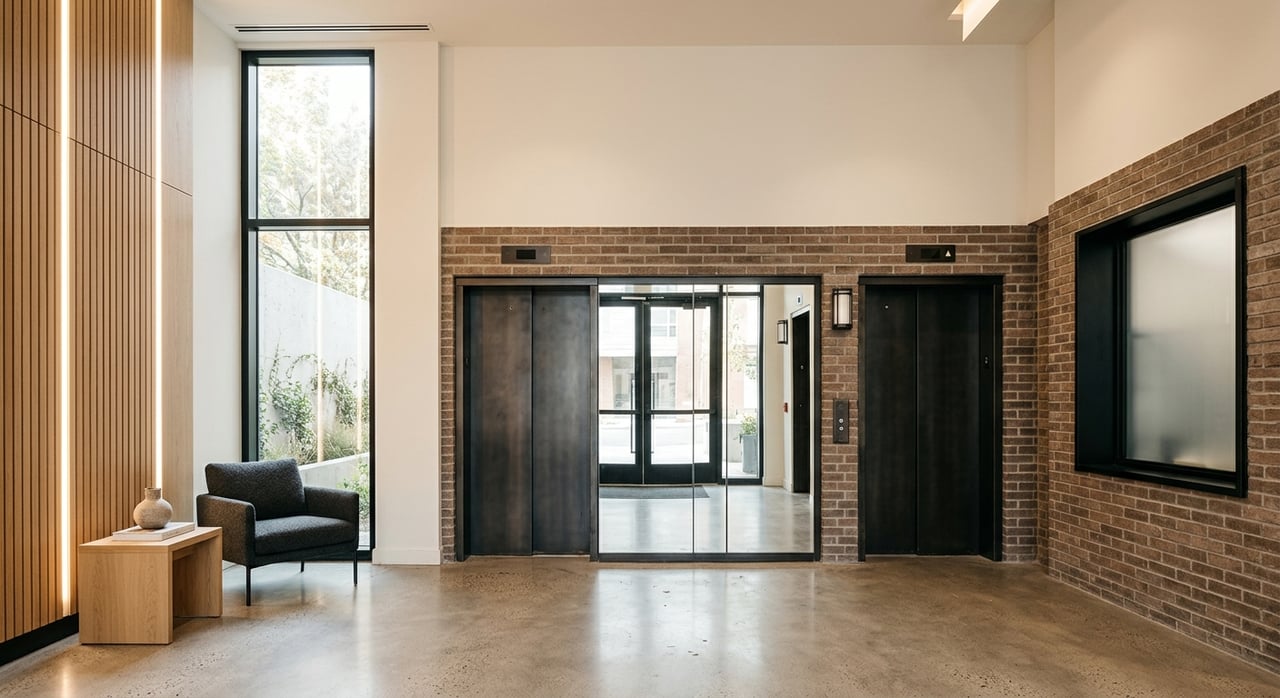
How to Choose a Pearl District Condo Building
June 11, 2026
June 11, 2026
Choosing a Pearl District condo building is not just about finding a beautiful unit. In this neighborhood, the building itself can shape your day-to-day experience as much as the floor plan or finishes. If you want a home that truly fits your lifestyle, it helps to look beyond the listing photos and compare how each building lives, functions, and is managed. Let’s dive in.
The Pearl District is a newer Portland neighborhood in its current form, with redevelopment that took off in the 1990s as warehouses and rail yards were transformed into mixed-use city blocks. Portland describes that evolution as rooted in walkability, mixed use, and human-scale urban design. That history helps explain why the neighborhood offers a wider mix of condo buildings than many buyers expect.
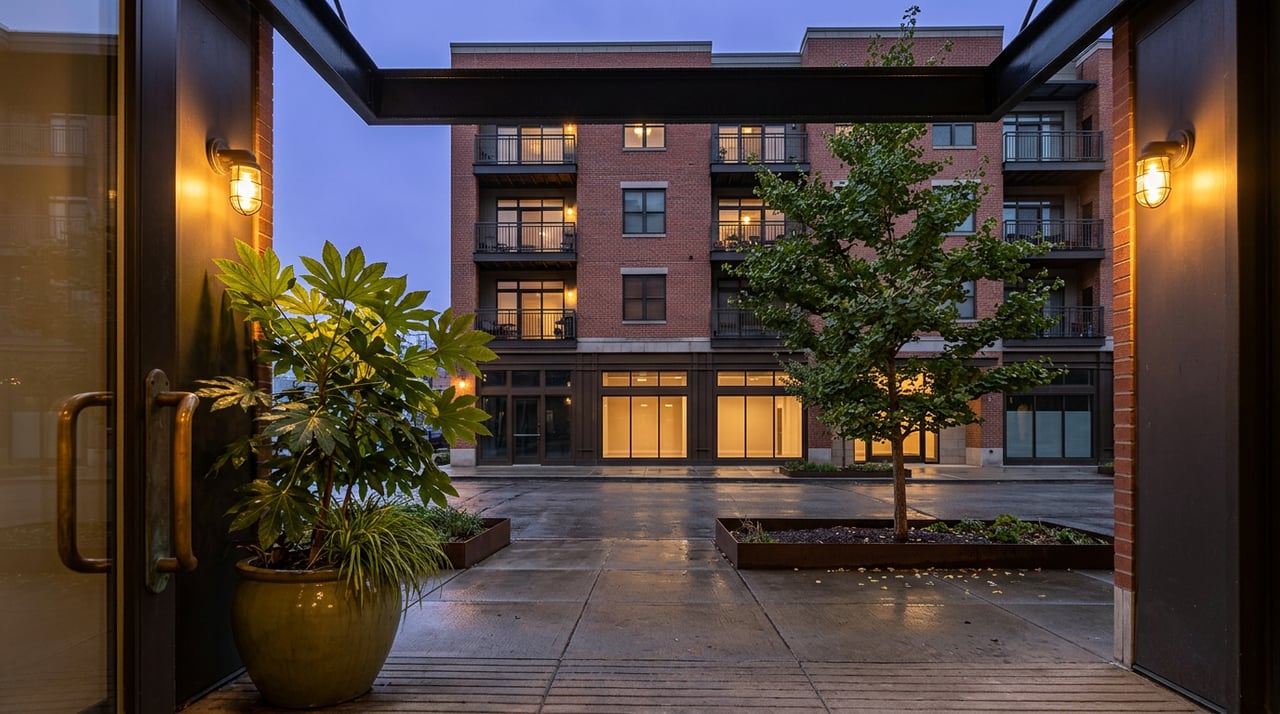
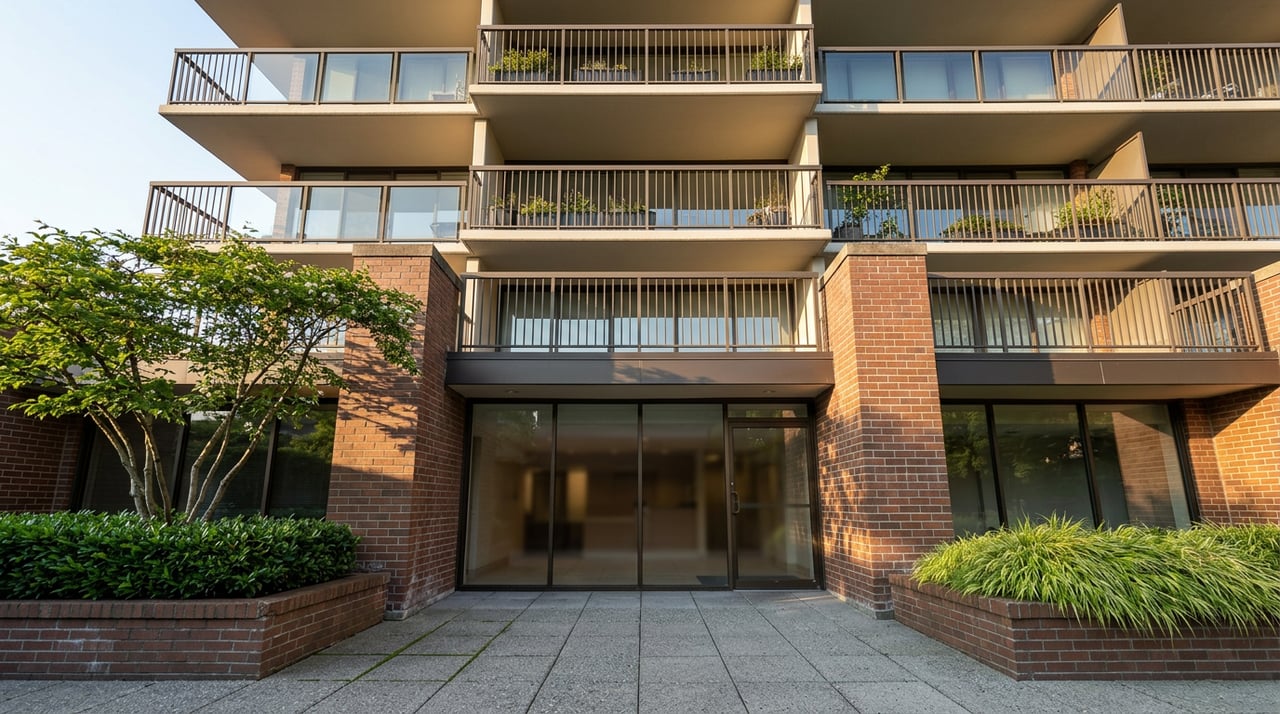
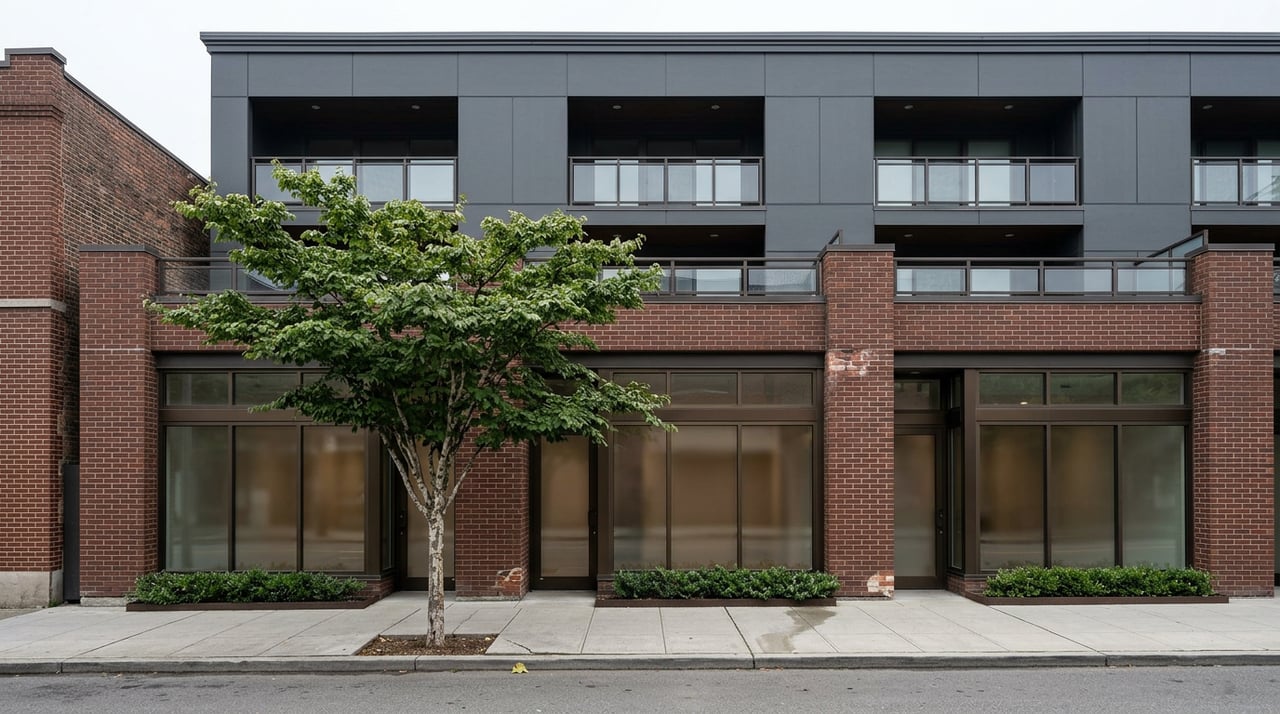
You will find historic-feeling low-rises, converted spaces, and newer mid-rise or high-rise buildings throughout the district. That means two condos with similar square footage can offer very different experiences depending on how the building was originally designed, built, or updated. In the Pearl, the right fit is often about the whole property, not just the unit.
Oregon condominium rules also make it clear that ownership includes both your unit and a shared interest in common elements. Those common elements can include roofs, stairways, utility services, landscaping, and parking areas. So when you buy a condo here, you are also buying into how the building has been maintained over time.
Before you fall in love with finishes, start with the building category. This is one of the fastest ways to narrow your options and focus on buildings that match your priorities. In the Pearl, that usually means comparing character, maintenance expectations, and layout style.
Some buyers are drawn to loft character, older materials, and a more industrial feel. These buildings can offer unique architecture and a strong sense of place, especially in areas tied to the Pearl’s warehouse past. At the same time, older or converted buildings may require a closer look at systems, common elements, and long-term maintenance planning.
If you love architectural personality, make sure you also ask practical questions. You will want to know about major work tied to the roof, envelope, plumbing, elevators, and parking. A stylish space feels even better when the building side of the equation also checks out.
Newer buildings often appeal to buyers who want cleaner lines, more predictable layouts, and a more contemporary feel. Floor plans may be more efficient, and some buildings may offer amenities or design features that support an easy lock-and-leave lifestyle. That can be especially appealing if you split time between homes or want a simpler maintenance routine.
Still, newer does not mean you should skip due diligence. You still need to evaluate common systems, HOA financials, and how the building functions day to day. A polished lobby is nice, but the real value often comes from solid management and thoughtful upkeep.
In a design-conscious neighborhood like the Pearl, it is easy to focus on kitchens, lighting, and surface upgrades. Those details matter, but they should not be the first filter. A condo that looks great online may not feel right once you consider privacy, natural light, and noise.
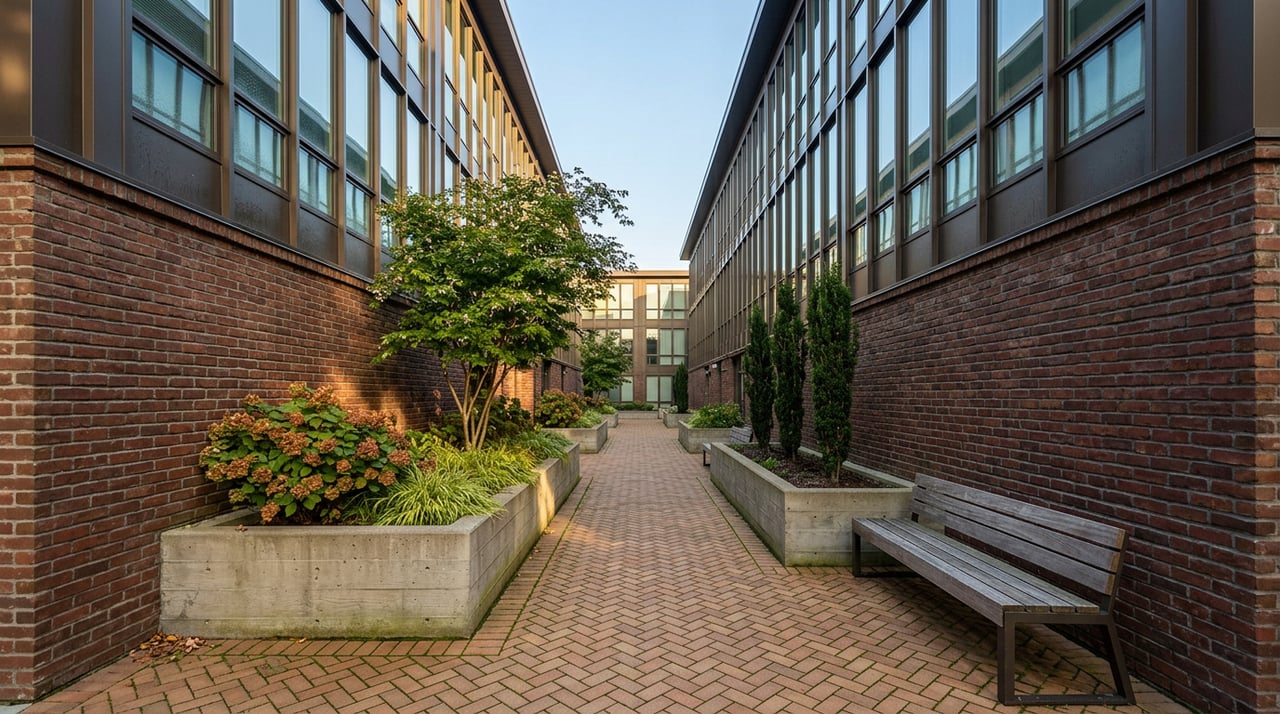
Window orientation is a major part of that equation. A street-facing home may feel energetic and connected to the neighborhood, while a courtyard-facing unit may offer a quieter daily rhythm. Neither is better across the board, but one may fit your routines better.
Floor-plan efficiency matters too. Some buildings lean into loft character, while others make more use of every square foot with traditional room arrangements. If you work from home, host often, or want a more open visual feel, those differences can shape your satisfaction long after move-in day.
A condo purchase always includes the homeowners association, and in Oregon that structure is central to how the property is run. Buyers should expect to review documents such as the declaration, bylaws, CC&Rs, disclosure statement, and budget. Those materials explain the rules, responsibilities, and financial framework of the building.
This part of the process should happen early. Fannie Mae notes that buyers often have a limited window to review condo documents after an offer is accepted. In practice, that means your HOA review should be part of choosing the building, not an afterthought once you are emotionally committed.
Monthly HOA dues are more than a line item in your budget. They can reflect the scope of services, the level of building maintenance, and whether the association is planning ahead. Fees are usually paid separately from your mortgage, and they can range from a few hundred dollars a month to more than one thousand dollars a month.
A higher fee is not automatically a problem, and a lower fee is not automatically a win. What matters is what the dues cover and whether the association is funding reserves in a responsible way. If a building has kept dues low by delaying maintenance, that can create bigger costs later.
Fannie Mae notes that HOA fees may support a reserve fund for future repairs. It also points out that special assessments may be used for major one-time expenses or to supplement reserves. For you as a buyer, this is one of the clearest windows into the building’s financial health.
Ask whether there is a reserve study and when it was last updated. You should also ask about special assessments over the last 5 to 10 years, owner delinquency on dues, and whether there are pending lawsuits or structural debts. These questions can help you understand whether the building is operating from a position of stability or catching up.
The Pearl District has a strong identity, but small block-to-block differences can change how a home feels. Portland’s planning for the district emphasizes walking, cycling, carpooling, and transit, and the neighborhood is served by the Portland Streetcar. That makes access convenient, but it also means some locations naturally feel busier than others.
A building near a streetcar stop, retail corridor, or public plaza may offer extra convenience and energy. A building closer to a park edge or interior courtyard may feel calmer. If your goal is the right fit, think carefully about what you want your daily rhythm to be.
The Pearl’s parks are a real part of how people use the neighborhood. Portland lists Couch Park, Jamison Square, North Park Blocks, Tanner Springs Park, and The Fields Park as neighborhood parks. Each brings a different kind of activity and atmosphere.
Tanner Springs Park is a smaller ecological park with native plants and a pond, and dogs are not allowed there. The Fields Park includes a fenced dog off-leash area, playground, and paved paths. Jamison Square includes an interactive fountain, plaza, and public art, which can make that area feel more active at certain times of day.
If parks are a big part of your lifestyle, compare buildings based on the exact outdoor spaces you will actually use. A condo two or three blocks away may function very differently for your morning walks, pet routines, or weekend habits.
Current city information also lists projects in the Pearl, including the North Park Blocks Extension, Broadway Corridor Affordable Housing, and the NW Johnson & Kearney Street Extension Project, with milestones extending into 2026 and 2028. That does not mean you should avoid those areas. It does mean you should understand what is changing around a building before you commit.
This is especially important if your priorities include quiet, easy parking access, or a more settled block feel. In an urban neighborhood, nearby construction can influence traffic patterns, views, and the day-to-day environment for a period of time.
Noise is one of the biggest differences between one Pearl condo and another. Portland has described NW 13th Avenue as a corridor shaped by historic buildings, narrow travel lanes, loading docks, on-street parking, and heavy pedestrian activity. That urban character is part of the appeal, but it can also create a different sound environment from a more tucked-away street.
PBOT has also cited concerns in that corridor related to late-night noise, visibility, emergency access, and large outdoor dining structures. For buyers, the takeaway is simple: do not evaluate a condo by neighborhood reputation alone. Evaluate the specific frontage, block, and building position.
If possible, visit at different times of day. A block that feels peaceful on a weekday morning may feel very different on a Friday evening. In the Pearl, timing matters.
When buyers feel overwhelmed, it is usually because they are comparing condos emotionally instead of consistently. A short, repeatable checklist can make the process much easier. It helps you separate what looks good from what truly fits.
The best building is rarely the one with the flashiest staging or the strongest finishes alone. In the Pearl District, the right building is usually the one that matches your routines, your comfort level, and your long-term goals.
If you want help comparing buildings block by block and sorting through the details that do not show up in listing photos, Erika Wrenn offers calm, high-touch guidance rooted in deep Pearl District experience.
Stay up to date on the latest real estate trends.
Get assistance in determining current property value, crafting a competitive offer, writing and negotiating a contract, and much more. Contact me today.