When to Sell a Downtown Portland Condo With Confidence
July 9, 2026
July 9, 2026
If you’re thinking about selling a downtown Portland condo, it’s easy to get stuck on one question: Should you list now or wait? That question matters even more in a condo market where buyer demand, HOA costs, building competition, and seasonal momentum can all pull in different directions. The good news is that you do not need to guess. With the right framework, you can make a smart timing decision based on your building, your unit, and the current downtown market. Let’s dive in.
Downtown Portland is active, but it is not behaving like a fast, overheated market. In May 2026, Downtown Portland had 106 homes for sale, a median listing price of $375,000, and a median days on market of 66, with a balanced-market label. In nearby South Waterfront, there were 33 homes for sale, a median listing price of $579,457, and a median days on market of 55.
That neighborhood data is useful for understanding pace and supply, but it is not the same as condo-specific pricing. For downtown condo sellers, the better takeaway is this: buyers are active, but they are also selective. That makes timing important, but it also means preparation and positioning matter just as much.
The Portland region condo market showed softer conditions in Q1 2026. There were 511 condo sales, down 8.6% year over year, while the regional median price slipped 1.5% to $325,000. Average cumulative days on market rose to 119.62 days, which tells you many condos are taking time to sell.
Multnomah County, which drives much of the region’s condo activity, showed similar patterns. The county recorded 346 condo sales, with an average price of $415,580, a median price of $333,000, average HOA dues of $636.25, and average cumulative days on market of 124.10 days. For sellers, this means timing alone will not carry your sale. Your unit has to compete on price, presentation, and monthly ownership cost.
If you are trying to choose between listing in winter or waiting for spring, the data suggest spring often gives sellers a better setup. In Q1 2026, January and February condo sales trailed the prior year, while March nearly matched the previous year’s sales volume and saw a sharp jump in average prices. That does not mean March is always the perfect month, but it does support the idea that late winter and spring can bring stronger buyer attention.
Broader Portland metro trends point the same way. Inventory measured 3.6 months in February 2026 and 3.0 months in May 2026, while total market time dropped from 91 days in February to 57 days in May. In simple terms, homes were moving faster as spring progressed.
Even so, the season is not the whole story in downtown condo towers. A building with several competing listings, a fresh round of resales, or a new set of comparable sales can feel very different from the broader market. In some buildings, listing during a quiet inventory window can matter more than waiting for a specific month.
That is why condo timing should be building-first, not just season-first. A well-prepared listing in a quiet building can outperform a spring listing that enters a crowded stack of similar units.
Downtown Portland condos often behave like micro-markets. Buyers do not just compare your unit to all of downtown. They compare it to similar floor plans, view lines, dues, amenities, parking setups, and nearby buildings that serve the same type of buyer.
This is especially true in Downtown and South Waterfront, where buyers may cross-shop buildings in the Pearl District as well. In May 2026, the Pearl District showed 152 homes for sale and a median listing price of $450,000, compared with South Waterfront’s 33 homes for sale and median listing price of $579,457. That gap suggests some sellers are competing for a smaller, more payment-sensitive buyer pool at higher price points.
For higher-end units, concentration is even stronger. In Q1 2026, luxury condo sales made up just 4.9% of total condo sales, but 17.4% of dollar volume. A small number of premium buildings and closings can shape the feel of the market quickly, especially in downtown towers.
Mortgage rates still influence buyer demand. As of July 2, 2026, Freddie Mac reported the average 30-year fixed rate at 6.43%, with purchase demand edging higher as affordability improved modestly. Lower rates can help bring buyers back into the market.
But condo buyers are not only looking at the mortgage payment. They are also factoring in HOA dues, property taxes, and the overall monthly cost of ownership. In Multnomah County, average HOA dues reached $636.25 in Q1 2026, up enough to become a meaningful part of the affordability conversation.
This matters most in full-service or higher-dues buildings. Even when affordability improves, larger floor plans and buildings with substantial monthly dues can limit the number of buyers who feel comfortable making an offer. That means waiting for rates to improve may help, but it may not fully solve a pricing or demand issue if the building’s monthly cost remains a hurdle.
A smarter question is not just, “Will rates drop?” It is, “When will my condo be best positioned relative to its total monthly cost?”
Oregon condo rules make building documents and association health part of the sale process. Annual reserve study and maintenance plan review requirements, annual reports, and condo-specific document delivery rules can all affect how smoothly a transaction moves. For sellers, this means timing is not just about market conditions. It is also about document readiness.
If your HOA documents are easy to gather, reserves are solid, planned repairs are clearly addressed, and dues are well understood, buyers may feel more confident moving forward. If those items are unclear or delayed, even a good listing window can lose momentum.
Before you list, it helps to know:
In many downtown condo sales, this behind-the-scenes work is part of good timing.
Even in a balanced or slower market, presentation matters. In the National Association of Realtors 2025 staging profile, 29% of agents said staging increased the dollar value offered by 1% to 10%, 49% said it reduced time on market, and 83% said it made it easier for buyers to visualize the property as a future home.
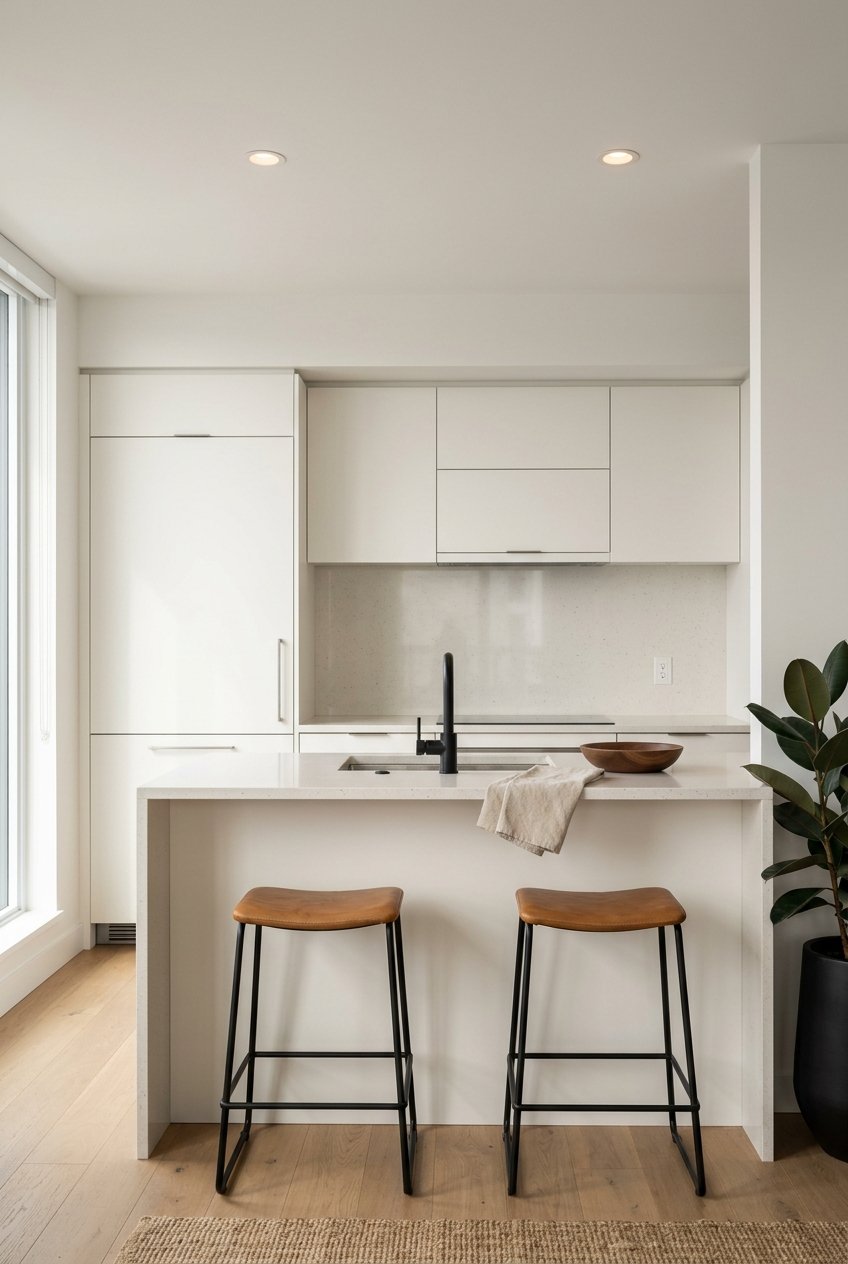
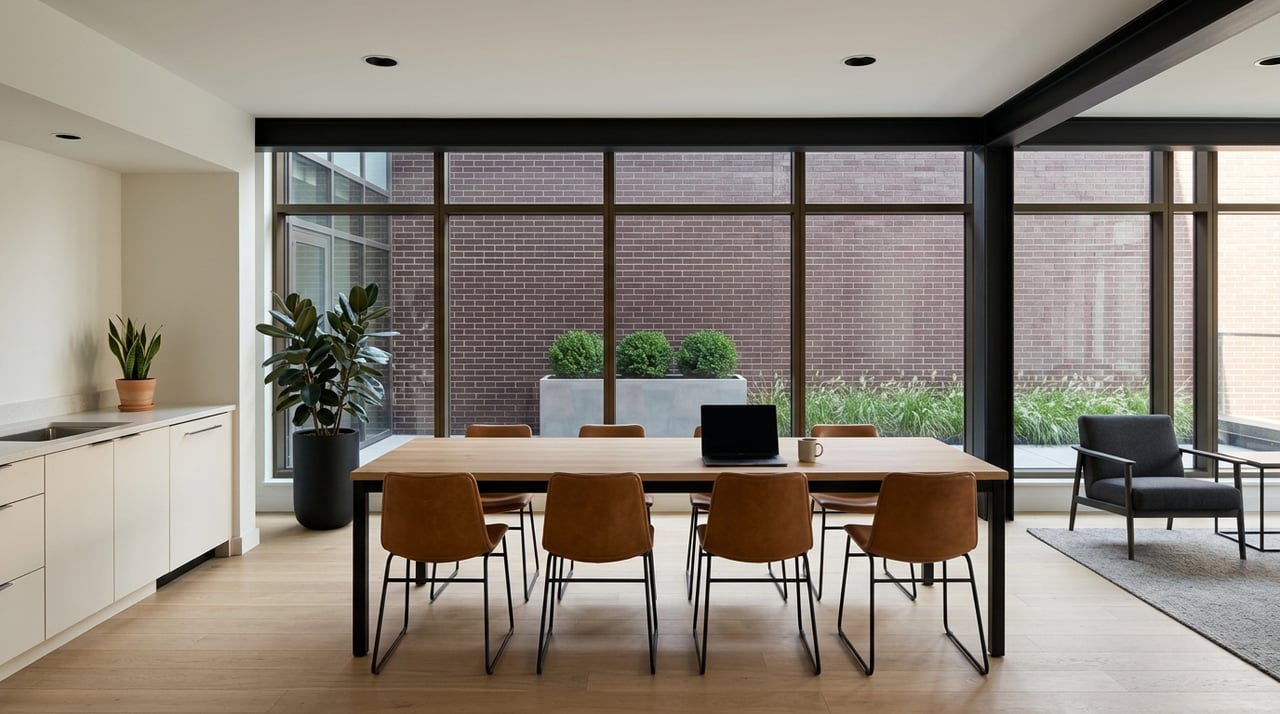
For a downtown Portland condo, that usually means focusing on light, scale, and simplicity. Clean surfaces, uncluttered rooms, strong photography, and a clear sense of flow can help buyers connect with the space quickly. That is especially important online, where your listing has to compete with many visually similar options.
Trying to perfectly predict the market usually creates stress, not better results. A better strategy is to get listing-ready early so you can act when the timing is favorable for both the market and your building.
A strong downtown condo timing plan often looks like this:
This kind of plan gives you options. Instead of chasing the market after a stronger window has opened, you are prepared to step into it.
If you sell a condo in downtown Portland, the best timing is rarely about one perfect date on the calendar. It is usually the result of several factors lining up at once: stronger buyer attention, manageable competition in your building, a monthly cost that feels workable to buyers, and a unit that shows beautifully from day one.
That is why the most effective sellers focus on readiness, not guesswork. When your pricing is grounded in building-specific comps, your documents are organized, and your presentation is polished, you are in a much better position to launch when the market gives you an opening.
If you want a calm, building-specific plan for your downtown condo sale, Erika Wrenn offers thoughtful guidance, polished marketing, and hands-on support designed for Portland’s urban condo market.
Stay up to date on the latest real estate trends.
Get assistance in determining current property value, crafting a competitive offer, writing and negotiating a contract, and much more. Contact me today.