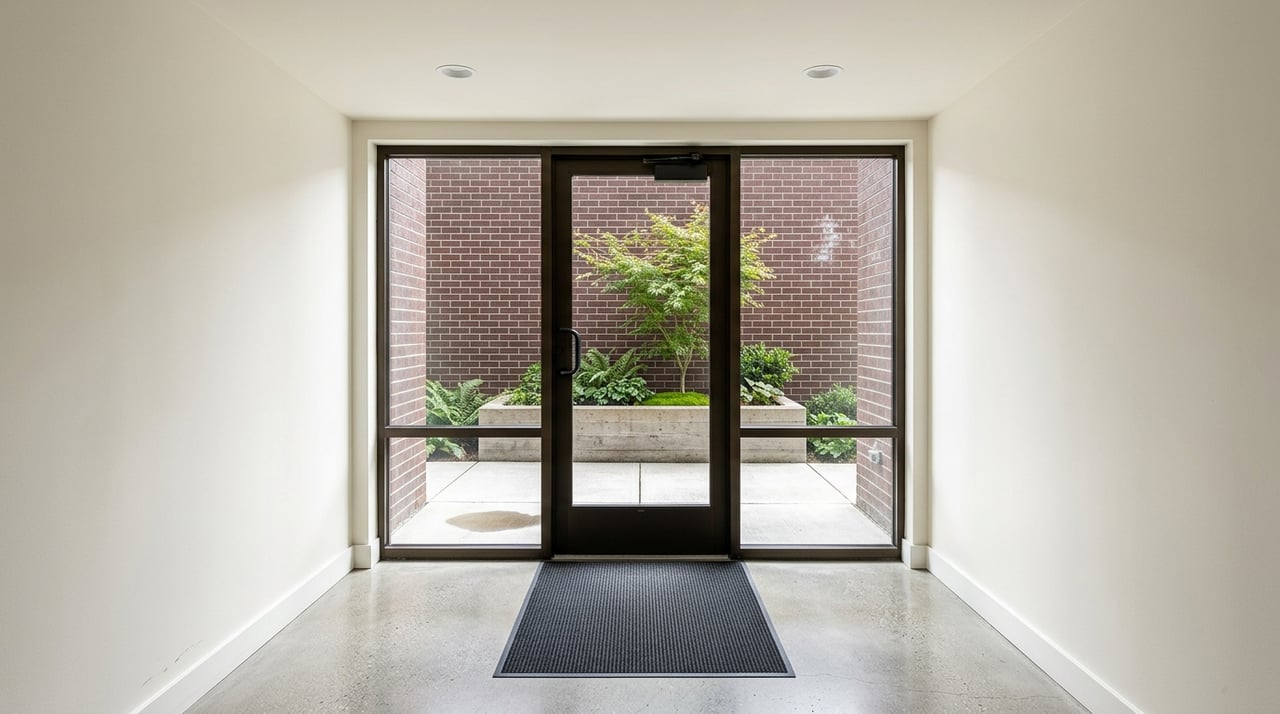
SE Portland Condo HOA Guide: What 97206 Buyers Should Know
July 23, 2026
July 23, 2026
Wondering whether condo dues in Southeast Portland are a smart tradeoff or a hidden risk? If you are shopping condos in 97206, the HOA can shape your monthly costs, your day-to-day use of the property, and even your financing path. The good news is that a careful read of the right documents can tell you a lot before you write an offer. Let’s dive in.
In Oregon, a condominium is a legal form of ownership, not just a building type. When you buy a condo, you usually own your unit plus an undivided interest in the common elements, and you automatically become a member of the association.
That matters because spaces that feel private are not always legally part of your unit. A balcony, patio, storage area, or parking stall may instead be a limited common element, which can affect who maintains it, who pays for it, and how you are allowed to use it.
For buyers in 97206, this is where many surprises start. A listing might highlight a parking spot or outdoor space, but the governing documents tell you whether that feature is assigned, exclusive-use, limited common, or fully part of the unit.
The most important HOA documents usually include the declaration or CC&Rs, the bylaws, the current rules and resolutions, the budget, the reserve study, the annual financial statement, and insurance records. Oregon law also requires the association board to maintain key association records.
Those records should include current copies of the declaration and bylaws, current rules, the current operating budget, the reserve study, and the most recent annual financial statement. On written request, the association must provide the maintained information within 10 business days.
This is one reason condo due diligence deserves a slower, more exacting review than many buyers expect. Oregon describes condo filings as legally complex, and that is often obvious once you begin comparing the declaration, bylaws, and current rules side by side.
The declaration is often where the biggest ownership questions get answered. It helps define the unit boundaries, the common elements, and any limited common elements tied to specific units.
If a condo in 97206 has a deck, patio, storage locker, or parking stall, this document can help you confirm what you are really getting. It can also help you understand whether that use right is stable over time or subject to association control.
The bylaws and current rules often explain how the association operates day to day. They can clarify board powers, owner obligations, approval processes, and use restrictions.
This is also where buyers should verify practical issues like pets, rentals, occupancy limits, and exterior changes. Do not assume a listing sheet or casual verbal summary tells the full story.
Monthly HOA dues are only meaningful when you view them together with the budget and reserve planning. Oregon law requires the board to adopt a budget at least annually, include reserve funding in that budget, and provide a budget summary to owners within 30 days after adoption.
If no new budget is adopted, the last adopted budget stays in effect. That makes the current budget and budget history important if you are trying to understand whether the association is keeping up with building needs.
Reserve funding is meant for major maintenance, repair, or replacement items expected in more than one and less than 30 years, plus exterior painting where applicable. Oregon law requires that reserve account to be funded by assessments and kept separate from general operating funds.
For you as a buyer, the real question is simple: do the monthly dues, reserve study, and likely building needs line up? In older or smaller buildings, that question becomes especially important because a thin reserve account can increase the odds of future special assessments or delayed repairs.
The annual financial statement adds another layer of clarity. It can help you compare the association’s stated plan with its actual financial position.
If annual assessments exceed $75,000, the financial statement must be reviewed by an independent Oregon CPA within the statutory period. That does not replace your own review, but it is one more signpost when you are evaluating how the association handles its finances.
One of the most common condo misunderstandings is who fixes what. Under Oregon law, unless the declaration or bylaws say otherwise, owners are responsible for maintenance, repair, and replacement of their units, while the association is responsible for common elements and their costs.
That sounds straightforward until you get into the gray areas. Decks, patios, storage areas, exterior finishes, roofs, parking areas, and building systems may fall into different categories depending on how the condo documents define them.
Shared hallways, roofs, exterior systems, and parking areas are classic common elements. Limited common elements are different because they are reserved for the use of one or more specific units.
That means a space can feel private but still be governed differently than your unit interior. In practice, those labels can affect maintenance duties, replacement costs, and whether changes need board approval.
Oregon law generally requires board approval before changing the exterior appearance of a unit or common elements. If you are considering updates to a patio, deck, door, window treatment, or similar feature, confirm the approval process before assuming you can make the change after closing.
This can be especially relevant in design-conscious condo communities, where building consistency matters to the association. It is better to verify the rule now than discover a problem after move-in.
Pet restrictions, occupancy limits, and rental or leasing limits are often tucked into the governing documents rather than highlighted in a summary page. These rules can have a major effect on how well a condo fits your lifestyle or long-term plans.
In exclusively residential condominiums, Oregon law says amendments related to pets, rentals, and occupancy are not effective unless approved by at least 75 percent of owners, unless the bylaws require an even higher percentage. In other words, these are usually core governance issues, not casual rules a board can casually rewrite.
For buyers in 97206, that means you should confirm the current rules and ask whether there have been amendments affecting the way units can be used. If you may keep a pet, lease the unit later, or make exterior-facing changes, clarity matters.
A condo listing may be accurate in broad strokes, but it is not the final word on HOA-controlled features. The Oregon Real Estate Agency recently warned brokers to confirm CC&R compliance before advertising a feature or use the HOA may restrict.
For you, the takeaway is practical. If a condo listing highlights something unusually convenient, such as a special parking use or storage setup, verify it in the recorded documents and current rules rather than relying on photos or remarks.
Before you move forward on a condo in 97206, ask targeted questions that help you understand the building as well as the unit.
You should also ask your lender whether the project is eligible for the loan type you want. Condo financing can involve project-level review, and eligibility should be confirmed early rather than assumed from a basic preapproval.
Because Oregon condo documents are legally complex, many buyers also benefit from having an attorney review the declaration, bylaws, rules, amendments, and any unclear maintenance, insurance, or litigation issues. That extra review can be especially helpful when the answers are not obvious from the resale package.
If the condo is a developer sale or a recent conversion, the due diligence process can be different from a standard resale. Oregon law requires a condominium disclosure statement before the sales agreement is fully executed.
In that situation, the purchaser has a five-business-day cancellation right after signing and receiving the required documents. If you are looking at a newer project or recent conversion in or near 97206, that timeline deserves close attention.
Buying a condo is never just about square footage or finishes. In Southeast Portland, the smartest buyers look at the unit, the building, and the HOA as one package. If you want a calm, detail-focused read on a condo opportunity and what the documents are really saying, Erika Wrenn can help you navigate the process with clarity.
Stay up to date on the latest real estate trends.
Get assistance in determining current property value, crafting a competitive offer, writing and negotiating a contract, and much more. Contact me today.